Ever had that sinking feeling when you open your lunch bag only to find a disaster zone? You packed a delicious meal, but it’s become a soggy mess, and your bag is stained. It’s frustrating, right? As a bento expert, I’ve seen this happen countless times, and often, the culprit isn’t the food itself, but the container it’s in. Let’s dive deep and figure out exactly what “spill-proof” and “leak-proof” truly mean for your lunch.
Ever Had That “Uh Oh” Moment with Your Lunch?
We’ve all been there. You’re looking forward to your carefully prepared lunch, maybe a creamy pasta dish, a vibrant salad with a generous amount of dressing, or even a comforting bowl of soup. But then, you open your lunch bag, and your anticipation turns into dismay. Your perfectly packed meal has somehow… escaped its container. It’s a common scenario, and it often stems from a simple misunderstanding of what your lunchbox can actually handle.
A Bento Expert’s Observation
From my years immersed in the world of bento, I’ve noticed a recurring theme: the confusion between “spill-proof” and “leak-proof.” These terms sound similar, don’t they? But in the practical reality of packing and transporting your food, they represent two very different levels of protection. And understanding this difference can be the key to a stress-free lunch experience.
What Do You *Really* Crave for Lunch?
Think about your ideal lunch. Are you dreaming of a hearty stew that’s packed with flavor? Or perhaps a crisp salad with a zesty vinaigrette that stays perfectly separated until you’re ready to toss it? Maybe it’s a comforting bowl of noodles swimming in a rich sauce. Whatever your craving, the container you choose plays a crucial role in making that craving a reality, not a mess.
Let’s Untangle the Jargon
My goal here is to cut through the marketing speak and give you the real scoop. We’re going to break down what “spill-proof” and “leak-proof” actually mean, so you can make informed decisions. This isn’t about telling you what to buy; it’s about empowering you to choose the right tool for your specific dietary goals and your busy, everyday life.
“Spill-Proof”: More Like “Accident-Resistant”?
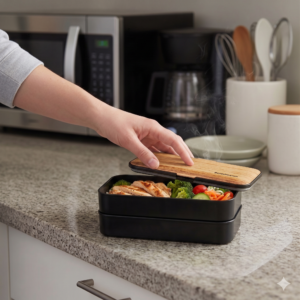
Let’s start with “spill-proof.” When a container is marketed as spill-proof, what does that usually imply? It generally means it’s designed to handle minor mishaps. Think about those moments when your lunch bag gets a gentle bump, or you accidentally tilt it a little too much as you’re pulling it out of your bag. A spill-proof container is built to prevent those small, everyday accidents from turning into a major cleanup job.
The Everyday Scenario
Picture this: you’re carrying your lunchbox, and it gets jostled a bit in transit. Or maybe you set it down a little too quickly. A spill-proof container is your first line of defense against those sorts of events. It’s designed to keep things contained when there’s some movement, but it’s not necessarily built for extreme conditions.
What It’s Good For
So, what kind of meals are best suited for a “spill-proof” container? Generally, these are foods that are solid or semi-solid. Think about things like:
- Cooked grains such as rice or quinoa.
- Steamed or roasted vegetables.
- Firm sandwiches or wraps.
- Snacks like cut fruit or nuts.
- Solid cooked dishes like stir-fries without excessive sauce.
These items are less likely to cause a disaster if the container is slightly disturbed. The integrity of the food itself helps prevent a complete mess.
When It Might Fall Short
Now, where does “spill-proof” start to falter? The real challenge arises when you introduce liquids or significant amounts of sauce. If you’re packing a container of soup, a hearty lentil stew, or a salad loaded with dressing, a container that’s merely “spill-proof” might not be your best friend. A significant tilt, or even just a prolonged period of being on its side, could still lead to leakage. It’s like trying to carry water in a colander – it’ll hold some, but not all, and certainly not for long.
“Leak-Proof”: Your Shield Against Soggy Bags and Messy Desks.
This is where we step up the game. “Leak-proof” is a promise of a much higher level of security. It implies a container that is engineered to create a truly impenetrable seal, designed to keep liquids and semi-liquids firmly inside, no matter what. This is the kind of protection you need when your lunch is more than just solid ingredients.
The Engineering of a Seal
What makes a container truly “leak-proof”? It’s all about the seal. You’ll often find these containers feature specialized designs such as:
- Gaskets: A flexible ring, often made of silicone, that fits snugly into a groove on the lid or container rim. This creates a tight barrier.
- Locking Mechanisms: Clips or latches that firmly press the lid down onto the container, ensuring a secure closure.
- Precision Fit: Lids and containers that are designed with very tight tolerances, minimizing any gaps where liquid could escape.
These features are crucial. They’re what transform a container from being merely “accident-resistant” to being a reliable shield for your saucy, soupy, or sauced meals. You’re not just hoping it won’t leak; you’re relying on the engineering to prevent it.
What It’s Essential For
So, when is “leak-proof” not just a nice-to-have, but an absolute necessity? If your lunch plans involve any of these, you absolutely need a leak-proof container:
- Soups and Stews: The classic example. While leak-proof containers are designed for security, water-based soups are the ultimate test for any portable gear. For thick stews, curries, or creamy pastas, a bento with a robust silicone seal is a champion. However, for thin, water-based soups, we always recommend an upright thermos for 100% security during a bumpy commute. Use your bento for those delicious, saucy dishes it was truly built to protect.
- Dips and Sauces: Whether it’s hummus for your veggies, a creamy ranch for your salad, or a flavourful curry sauce for your rice, these need to stay contained.
- Yogurt or Fruit Compotes: Even seemingly simple items like a pot of yogurt or a serving of fruit with a syrupy sauce can cause a mess if the container isn’t properly sealed.
- Pasta with a Generous Amount of Sauce: That delicious marinara, bolognese, or alfredo sauce needs a leak-proof home to prevent it from becoming a stain on your belongings.
- Salads with Dressing: If you like to keep your salad ingredients separate until you’re ready to eat, a leak-proof container for your dressing is a game-changer.
The common thread here? Liquids. If your meal has any significant liquid component, you’re entering “leak-proof” territory.
The Peace of Mind Factor
Beyond just preventing messes, there’s a significant psychological benefit to using a leak-proof container. It’s the peace of mind. You can toss your lunch bag into your backpack, place it on the floor of your car, or stack it with other items, all without that nagging worry in the back of your mind. It’s the confidence that your lunch will arrive at its destination exactly as you packed it, ready to be enjoyed.
Are You Packing Your Cravings or Your Worries?
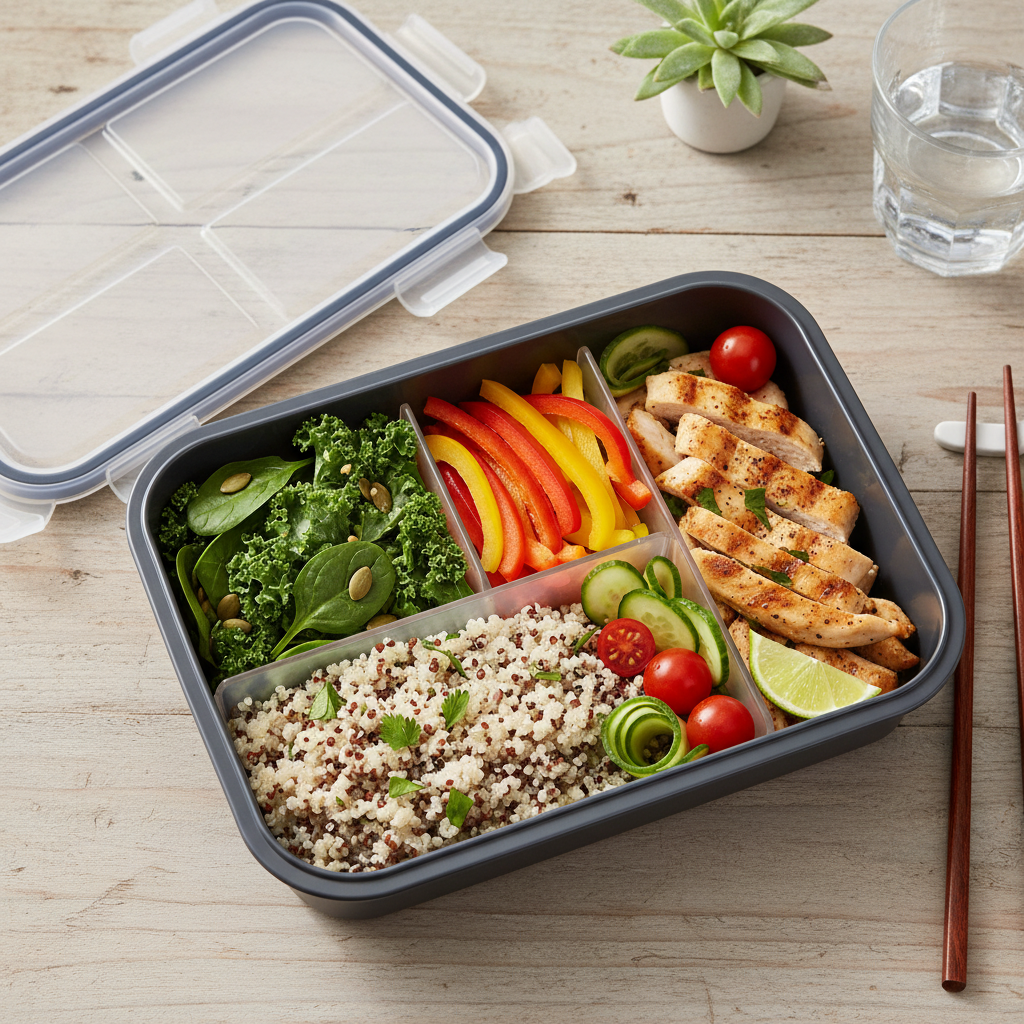
The distinction between “spill-proof” and “leak-proof” isn’t just academic; it has a direct impact on your daily life and your ability to enjoy the foods you love. Think about the growing trend of meal prepping. Millions of people are dedicating time each week to prepare their meals in advance, aiming for healthier eating habits, saving money, and reducing food waste. For these individuals, the right container is not just a box; it’s an essential tool that enables their entire strategy.
The Meal Prep Connection
With the global meal kit delivery services market booming, it’s clear that people are investing in convenient and efficient ways to eat well. Similarly, the practice of home meal prepping has surged. The success of these endeavors hinges on having reliable tools, and your lunch container is right at the top of that list. If your meal prep includes dishes with sauces or liquids, a “spill-proof” container is simply not going to cut it, and you’ll end up with a prepped meal that’s ruined before you even get to eat it.
Your Lunch Menu & The Container Match
Let’s get practical. What you pack dictates what you need:
- For the “Dry” Lunch: If your typical lunch consists of a simple salad (with dressing packed separately in a tiny, leak-proof container, of course!), firm sandwiches, or a collection of solid snacks, a well-designed “spill-proof” container might be perfectly adequate. It will handle the everyday bumps and jostles without issue.
- For the “Saucy” or “Soupy” Lunch: Ah, the truly satisfying meals! If your lunch dreams are filled with pasta bathed in marinara, a hearty lentil soup, a vibrant curry, or a decadent chili, then you absolutely *need* a “leak-proof” container. Anything less is an invitation for a soggy disaster.
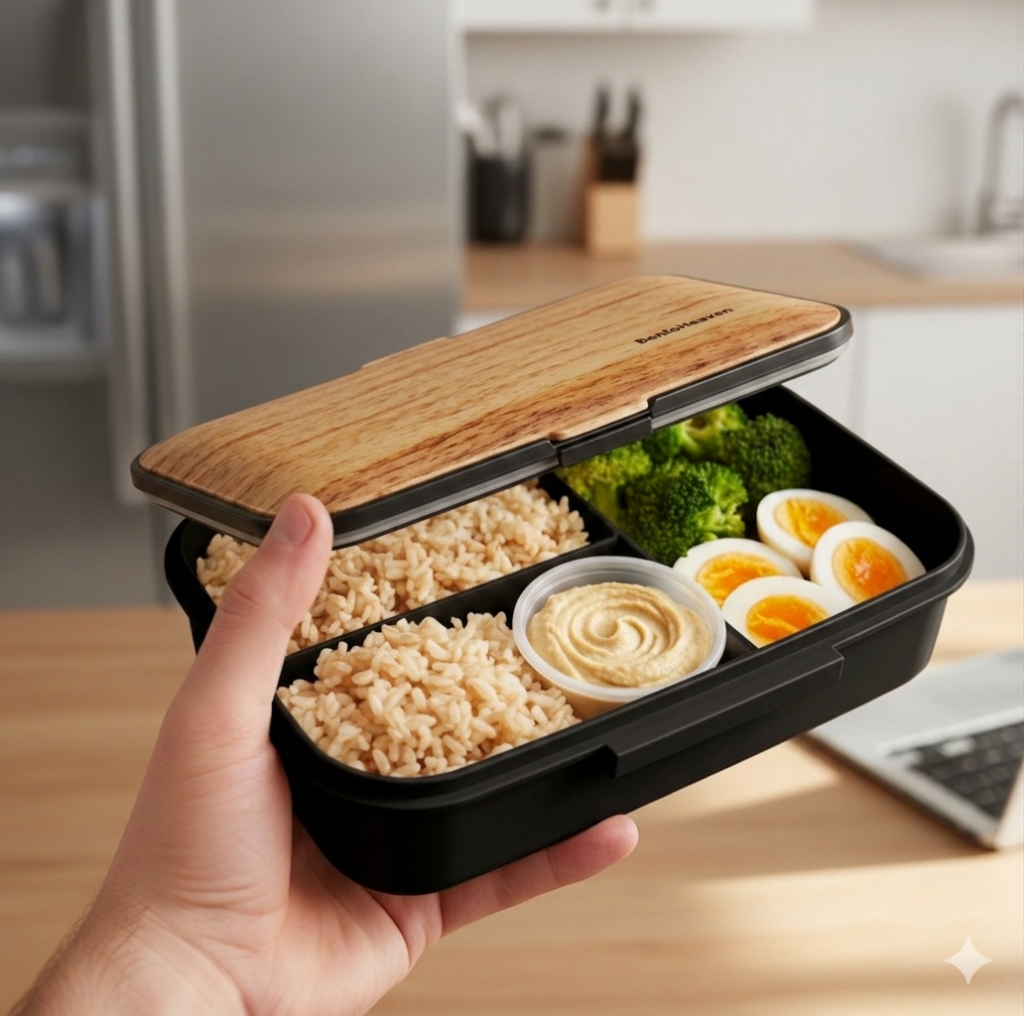
- The Hybrid Approach: Many modern bento boxes offer multiple compartments. This is where things get interesting! Some compartments might be perfectly fine with a good spill-proof seal, while others, especially those intended for dressings or saucy items, *must* be leak-proof. While many bento boxes offer smart compartmentalization, it’s a common misconception that internal dividers are airtight. Here is the BentoHeaven pro-tip: Our boxes feature a high-quality leak-resistant exterior seal that keeps your bag dry, but the internal dividers are not liquid-tight. This means your vinaigrette can still travel between compartments if the box is tilted. For a truly ‘mess-proof’ experience, we always recommend keeping thin liquids in a separate, dedicated sauce pod inside your bento.
Choosing the right container ensures that your carefully crafted meal remains as intended, from your kitchen to your lunch break. It’s about protecting the integrity of your food and your overall lunch experience.
Beyond the Seal: Other Features to Consider
While the seal is paramount, don’t forget other important aspects when selecting your lunch container. Is it microwave-safe? Many of us rely on microwaves to heat our lunches, so ensuring your container can handle it safely is key. Always look for indications that the material is FDA-approved for microwave use. Also, consider ease of cleaning. A container that’s dishwasher-safe or has simple components will save you time and hassle.
Your Next Bento Box Decision: What’s Your Lunch Telling You?
So, how do you move forward with confidence? It starts with a little self-reflection about your own lunch habits and needs. Don’t just grab the first box that catches your eye; consider what you *actually* pack and how you transport it.
Ask Yourself These Questions
Take a moment to answer these for yourself:
- What types of meals do you pack most often? Be honest. Are they mostly solid, or do they frequently involve liquids or sauces?
- How do you transport your lunch? Is it in a backpack that gets tossed around, a briefcase that sits upright, or a tote bag that might get squished? The more vigorous the transport, the more robust the seal needs to be.
- What’s your tolerance for potential messes? Are you okay with a little bit of risk for the sake of convenience, or is a clean bag and desk an absolute non-negotiable?
Your answers will point you directly towards whether “spill-proof” will suffice or if you truly need the superior protection of “leak-proof.”
Look for the Details
When you’re shopping, don’t just rely on the headline. Read the product descriptions carefully. Does it specifically mention silicone gaskets? Are there prominent locking clips? Look for terms like “100% leak-proof” or certifications that indicate rigorous testing. And always, always check reviews from other users. They can provide invaluable real-world insights into how well a container performs under various conditions.
Investing in Your Well-being
Choosing the right lunch container is more than just a purchase; it’s an investment. It’s an investment in a stress-free lunch experience, in enjoying your favorite meals without worry, and in supporting your overall health and dietary goals. When you have confidence in your lunchbox, you’re more likely to pack healthy, satisfying meals consistently, making your journey towards well-being that much smoother and more enjoyable.
Ready to Pack with Confidence?
We’ve untangled the jargon, and hopefully, the difference between “spill-proof” and “leak-proof” is crystal clear now. Remember, “spill-proof” is your everyday defense against minor bumps, suitable for mostly solid foods. “Leak-proof,” on the other hand, is your robust shield, essential for any meal containing liquids or sauces, offering the ultimate peace of mind.
Recap the Core Difference
So, to quickly recap: if it’s just about preventing a few stray grains of rice from escaping when you tilt your bag, “spill-proof” might do. But if you’re packing soup, sauce, or anything else that flows, you absolutely need the superior sealing power of a “leak-proof” container. Your lunch, and your bag, will thank you.
Your Bento Expert’s Final Thought
Choosing the right container is a small detail that makes a huge difference. It’s about ensuring that your lunch is a source of nourishment and enjoyment, not a cause for frustration. By understanding these terms, you’re taking a significant step towards mastering your meal prep and enjoying your food, exactly as you intended. Now go forth and pack with confidence!
Summary: Step-by-Step
- Understand Your Meal: Identify if your lunch primarily consists of solid foods or includes liquids/sauces.
- Define Your Need: For mostly solid foods and minor bumps, “spill-proof” might be sufficient. For soups, sauces, or significant liquids, “leak-proof” is essential.
- Check the Seal: Look for features like gaskets and secure locking mechanisms in “leak-proof” containers.
- Consider Transport: How you carry your lunch will influence how robust your container’s seal needs to be.
- Read Reviews: Real-world feedback can confirm a container’s performance beyond marketing claims.
- Invest Wisely: Choose a container that reliably protects your food, ensuring a stress-free and enjoyable lunch experience.