Ever stare at your grocery cart and wonder if you’re getting the most bang for your buck, especially when it comes to feeding yourself through the workweek? It’s a common feeling, right? That moment at the checkout, the little voice in your head doing rapid-fire calculations. And then, the daily lunch dilemma hits: pack something, grab something, or, *gulp*, skip it altogether? What if I told you there’s a way to conquer your workweek lunches for less than the price of a fancy coffee each day? Today, we’re diving deep into the ultimate grocery cart challenge: Can $25 *really* buy you a week of satisfying, delicious, and actually healthy lunches? Let’s find out.
The $25 Lunch Enigma: Can You Conquer Your Week for Just a Few Bucks a Day?
We’ve all been there, staring at the checkout scanner, a little voice in our head calculating if that extra something is *really* worth it. The workday lunch dilemma is a daily battle for many. That moment when you have to decide: pack something from home, grab something quick on the go, or… well, you know the rest. But what if I told you it’s possible to navigate your entire workweek of lunches for less than the cost of a single fancy latte each day? Intrigued? You should be. We’re about to embark on a mission to see if $25 can truly equip you with a full week of nourishing and tasty lunches. Get ready to rethink your grocery cart!
Part 1: The $25 Reality Check – Is It Even Possible?
Let’s get real for a moment. When you think about your typical lunch spend, it probably looks something like this: a few dollars here for a coffee, a few more for a sandwich, maybe a snack… and suddenly, that adds up faster than you can say “budget buster”! We’re about to challenge that assumption head-on. Now, I know what some of you might be thinking. “Gergely, where I live, $25 won’t even buy me a decent sandwich!” And honestly, you might be right. Location absolutely matters, and grocery prices can be a significant piece of this puzzle. The USDA’s Cost of Food Report gives us a benchmark, showing that average grocery costs for a single person can range from $75 to $125 per week. So, how do we even begin to approach $25 for lunches alone? It’s a big difference, isn’t it? But the good news is, it’s not entirely impossible if we get strategic.
Beyond geography, what you choose to eat plays a HUGE role. Are you a dedicated meat-lover? A die-hard salad enthusiast? These preferences significantly impact your dollar. The affordability of plant-based diets, for instance, can be a game-changer. A study from the Journal of the Academy of Nutrition and Dietetics even suggests that plant-based diets can be just as affordable, if not more so, than omnivorous ones, depending on your choices. So, the first step is acknowledging these variables. It’s not a one-size-fits-all answer, but it is a starting point for exploration.
So, the big question remains: can $25 stretch to cover a week of lunches? It’s a tough nut to crack, but not impossible if we’re smart about our choices.
Part 2: The Mindset Shift: From “Can I?” to “How Can I?”
This is where the real magic happens, and it all starts with a simple shift in perspective. It’s about moving from asking “Can I afford this?” to “How can I make this work?” This is where your grocery store superpowers come into play. If you’re not already a meal prep convert, get ready, because it’s your secret weapon for stretching that $25 further than you thought possible. Meal prepping isn’t just about saving money; it’s about reclaiming your time and mental energy during the week. Think about it: no more last-minute lunch scrambles or expensive impulse buys. A survey by Ipsos found that a whopping 64% of Americans who meal prep actually save money on groceries – that’s a significant number, right?
And what about your pantry? Your pantry power-ups are your budget’s best friends! What do you already have lurking in your kitchen? Rice, pasta, oats, beans, lentils – these are your budget superheroes. They are incredibly versatile, filling, and cost-effective. We’ll talk about how to leverage these staples to build the foundation of your $25 lunch week. But it’s not just about buying cheap; it’s about using what you buy. Waste not, want not! This is the art of the full cart, ensuring every bit of your grocery haul counts. Did you know that food waste in U.S. households accounts for approximately 30-40% of the food supply? That’s a lot of perfectly good food, and money, going to waste. How can we use *all* of our ingredients and avoid that dreaded food waste? That’s a key part of the $25 challenge.
Your pantry is a goldmine of budget-friendly ingredients. Are you tapping into its full potential?
Part 3: Building Your $25 Lunch Cart: The Practical Playbook
Alright, let’s get down to business and fill that cart with smart choices for smart lunches! To make $25 work for a week of meals, we need a solid foundation. Let’s talk about the Core Four: your budget-friendly essentials.
The Core Four: Your Budget-Friendly Foundation
- Grains Galore: Think rice (brown or white), oats, pasta. These are your filling powerhouses. A large bag of rice or pasta can last for many meals and costs very little per serving.
- Protein Powerhouses (Plant-Based Preferred): Canned beans (black, kidney, chickpeas), lentils, eggs, and maybe a block of tofu if it’s on sale. These are incredibly versatile, packed with nutrients, and significantly cheaper than meat.
- Veggie Victory: Carrots, onions, potatoes, cabbage, seasonal greens. Look for what’s on sale or in season! Buying in bulk for staples like onions and potatoes can save you money. Cabbage is also a fantastic budget-friendly and long-lasting option.
- Flavor Boosters: Spices, a small jar of peanut butter, bouillon cubes, a single lemon or lime. These small additions can transform simple ingredients into delicious meals. Don’t forget oil and salt from your pantry!
Now, let’s put this into practice with a hypothetical $25 shopping list and some meal ideas. Remember, this is just a template, and you’ll adjust based on sales and what’s available in your area.
Sample Shopping List & Meal Ideas (The “What If”)
Imagine walking into the store with $25 and a plan. Here’s what your cart might look like:
- 1 lb bag of rice
- 2 cans of black beans
- 1 lb bag of red lentils
- 1 lb bag of carrots
- 1 lb bag of potatoes
- 1 large onion
- 1 head of cabbage
- A dozen eggs (if budget allows, otherwise skip or reduce other items)
- Spices/oil/salt from your pantry
With these ingredients, what kind of lunches can you whip up? Let’s brainstorm a few:
- Lentil Soup and Rice: Cook a big pot of lentil soup with onions and carrots. Serve it over a portion of fluffy rice. Simple, hearty, and incredibly filling.
- Bean and Rice Bowls with Sautéed Cabbage: Combine black beans and rice. Sauté some shredded cabbage with onion and spices for a flavorful topping. You can even add a fried egg on top if you got them!
- Egg Salad Sandwiches with Potato Wedges: If you got eggs, make a simple egg salad. Serve it on whatever bread you have (or even lettuce wraps if you’re going super budget!). Roast some potato wedges for a satisfying side.
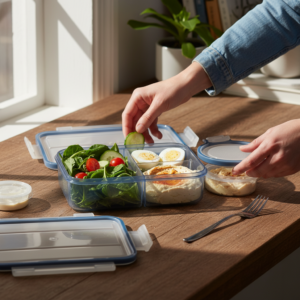
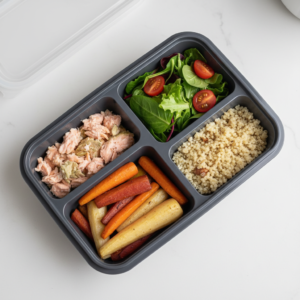
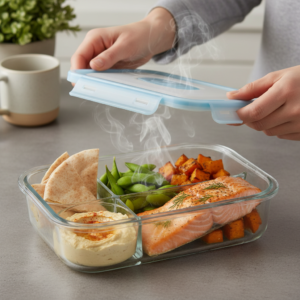
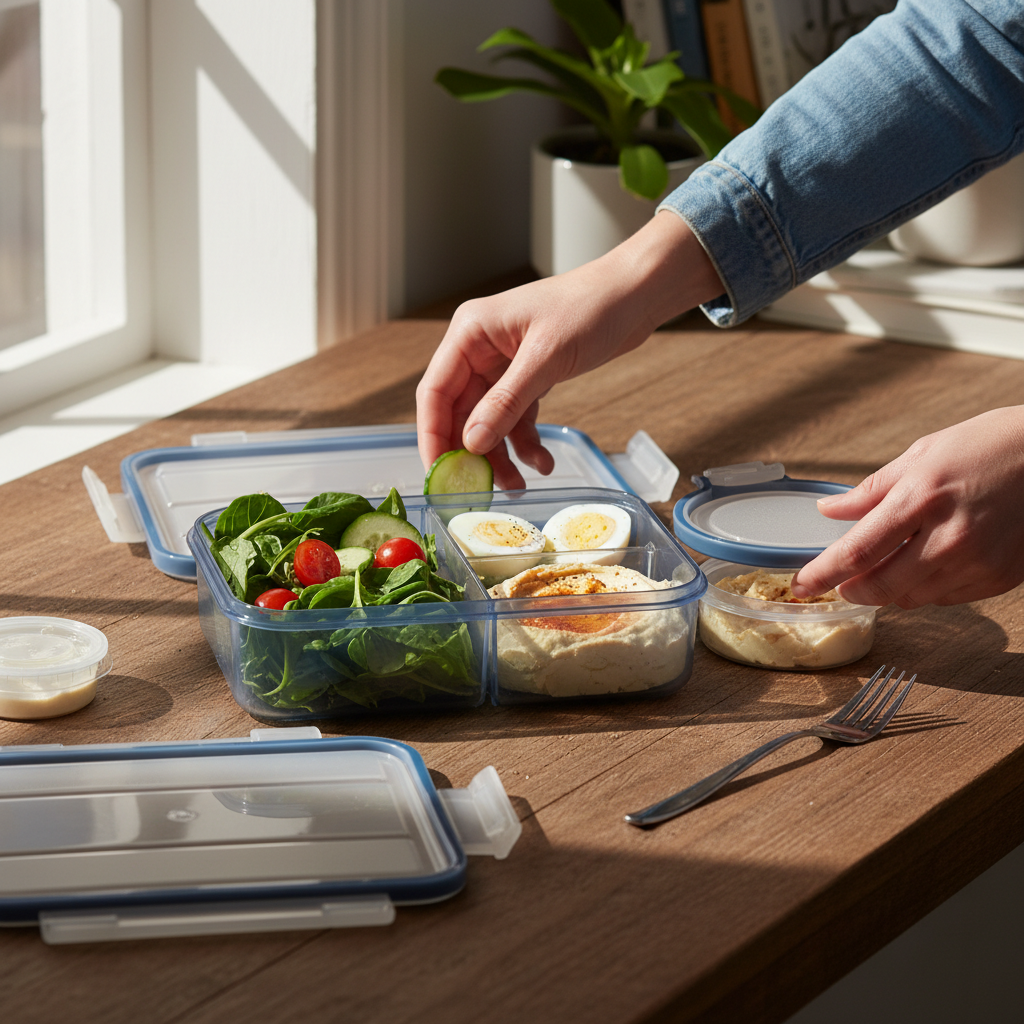
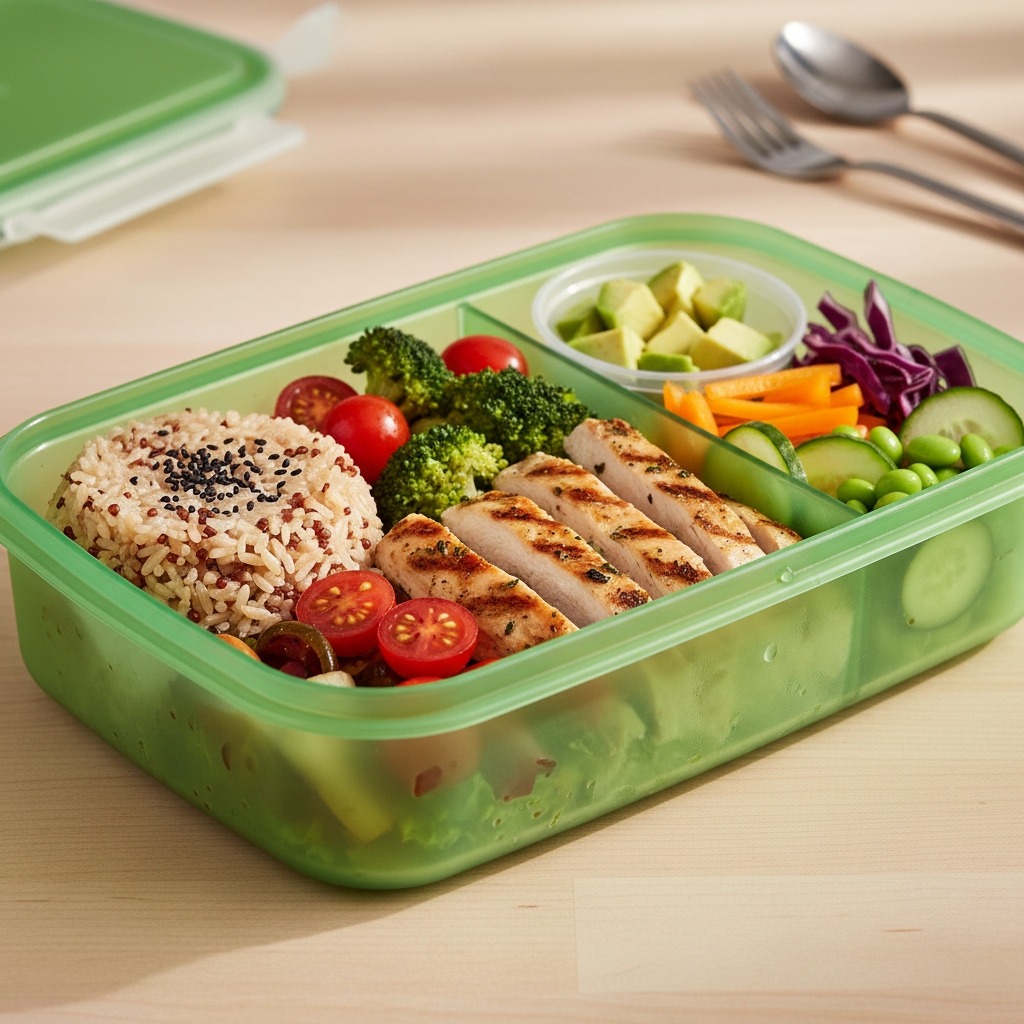
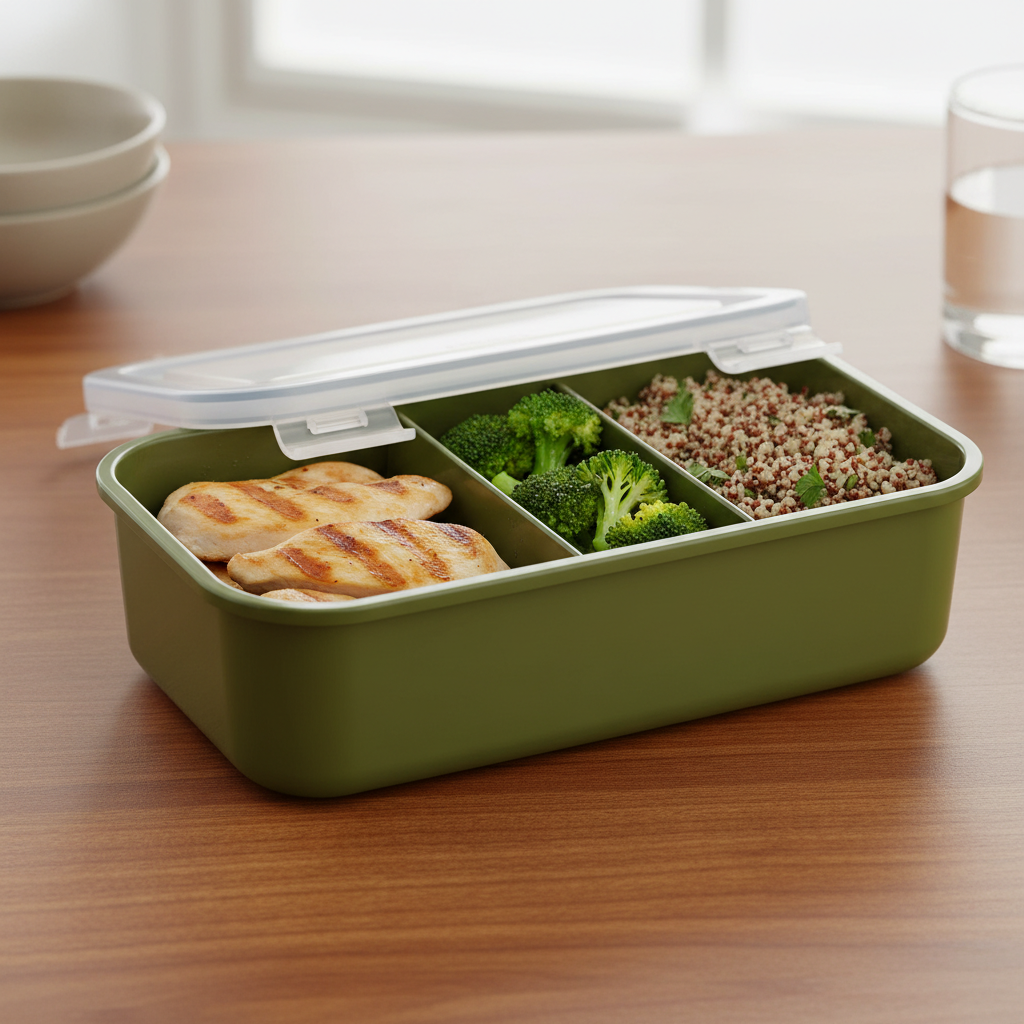
And what about making these meals appealing and practical? This is where the bento box advantage comes in, and beyond! Even if you don’t have a fancy bento box, using portion-controlled containers makes a huge difference. It helps with portion management, keeps flavors from mixing, and makes your food look more appetizing. Plus, investing in a few good quality, leak-proof and microwave-safe containers is key for transporting your meals without any spills or dramas at work.
Smart packing and portion control can make even the simplest ingredients feel like a gourmet meal.
Conclusion: Your $25 Lunch Victory Awaits!
So, can $25 buy you a week of lunches? Absolutely! It’s not about deprivation; it’s about making smart choices and leveraging the power of your grocery cart and a little bit of planning. You *can* eat well, save money, and feel satisfied without feeling like you’re missing out. It’s about making your money work *for* you, not against you.
I challenge you! Take this information, head to the store with a plan, and see what amazing lunches you can create. What’s in *your* cart next week? What are your go-to budget-friendly lunch ingredients? What are your best meal prep tips? Let’s keep the conversation going in the comments below! Share your successes, your challenges, and your favorite budget-friendly recipes. We’re all in this together!
Summary: Step-by-Step
- Assess Your Budget: Commit to the $25 weekly lunch challenge.
- Plan Your Meals: Decide on 3-5 simple, repeatable lunch ideas for the week. Focus on ingredients that can be used in multiple dishes.
- Shop Smart: Create a grocery list based on your meal plan, prioritizing budget-friendly staples like rice, beans, lentils, seasonal vegetables, and eggs. Check sales flyers.
- Utilize Pantry Staples: Stock up on grains, spices, oils, and other long-lasting ingredients that form the base of many meals.
- Meal Prep: Dedicate a few hours (e.g., Sunday afternoon) to cook your grains, chop vegetables, and assemble your lunches into containers.
- Pack Wisely: Use leak-proof and microwave-safe containers to keep your meals fresh and prevent spills. Consider bento-style packing for better portion control and visual appeal.
- Execute and Enjoy: Take your prepped lunches to work and enjoy a week of delicious, budget-friendly meals without the daily stress.
- Reflect and Adjust: At the end of the week, evaluate what worked, what didn’t, and adjust your plan for the following week.