Picture this: your child comes home, backpack unzipped, and there it is – that tell-tale orange stain from yesterday’s soup, spreading like a culinary crime scene. Sound familiar? We all want our kids to have healthy, delicious lunches, but what happens when those good intentions turn into a messy disaster in their backpack? Let’s dive into why ‘spill-proof’ might not be cutting it for our active little ones and how you can find the real level of protection you need.
Soup-ocalypse in Your Kid’s Backpack? Let’s Talk Real Spill Protection!
We’ve all been there, right? The moment of dread when you unzip your child’s backpack, bracing yourself for what might be lurking inside. Often, it’s the remnants of a once-delicious lunch that has staged a daring escape. You thought you were buying “spill-proof,” but the reality seems a bit… different. Why is this such a common battle, and what are we missing when we choose lunch gear?
When Jumps, Tumbles, and Playtime Meet Lunchtime
Think about your child’s day. It’s not just about sitting at a desk. They’re running, jumping, maybe even getting a little rough during recess. These everyday adventures can subject their backpack – and everything inside it – to forces that a simple lid seal might not be designed to handle. Have you ever wondered if your child’s lunchbox could survive a game of tag gone wild? We’re going to explore that. The marketing term ‘spill-proof’ can be a bit of a grey area, can’t it? It often doesn’t account for the dynamic life of a school-aged kid.
This is where the concept of leak-proof becomes so important. It’s not just about a container sitting still; it’s about its ability to prevent liquids from escaping under various pressures and orientations. When your child’s backpack is tossed, dropped, or jostled, those pressures are definitely present.
Beyond the Seal: The Nuances of Leak-Proof Technology
So, what exactly makes a container truly leak-proof? It’s a lot more than just snapping a lid shut. It’s about the engineering, the materials, and how they all work together. We’re talking about different levels of protection here, and understanding them is key to keeping those dreaded stains at bay.
The reality is, ‘spill-proof’ can mean different things to different people, and often to different manufacturers. For a child’s backpack, we need to aim for something that’s truly robust.
Decoding Leak-Proof: What to Look For in a Container
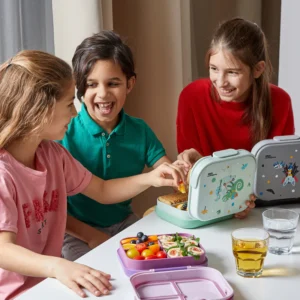
Let’s get down to the nitty-gritty. What specific features in a lunch container can make the difference between a clean backpack and a soup-stained disaster? It’s all about the design and the quality of the materials used.
The Engineering Behind the ‘No-Spill’ Promise
When we talk about genuinely leak-proof containers, we’re looking at a detailed examination of the engineering and design principles. This includes things like the gasket design – that rubbery seal around the lid. Is it thick? Does it sit flush? How does the lid closure mechanism work? Is it a simple snap, or does it have a more secure locking system? Material integrity is also vital. Are the plastics robust? Do they warp or lose their shape under pressure or temperature changes?
For parents who are dedicated to meal prep, investing in containers that are built to last and perform is paramount. You’re putting effort into creating healthy meals; the least you can do is ensure they arrive at school in the same condition you packed them.
When Bento Boxes Become Your Best Friend
This is where well-designed bento boxes really shine. They often feature secure compartments that keep different foods separate, but more importantly, their robust lids and secure latches contribute significantly to overall spill prevention within a backpack. Think about it: multiple points of secure closure, often with a tight-fitting gasket. This multi-layered approach to containment is a game-changer.
A good bento box isn’t just about portion control; it’s about creating a mini-fortress for your child’s lunch. This is a crucial step in achieving that ‘truly soup-resistant’ status we’re aiming for.
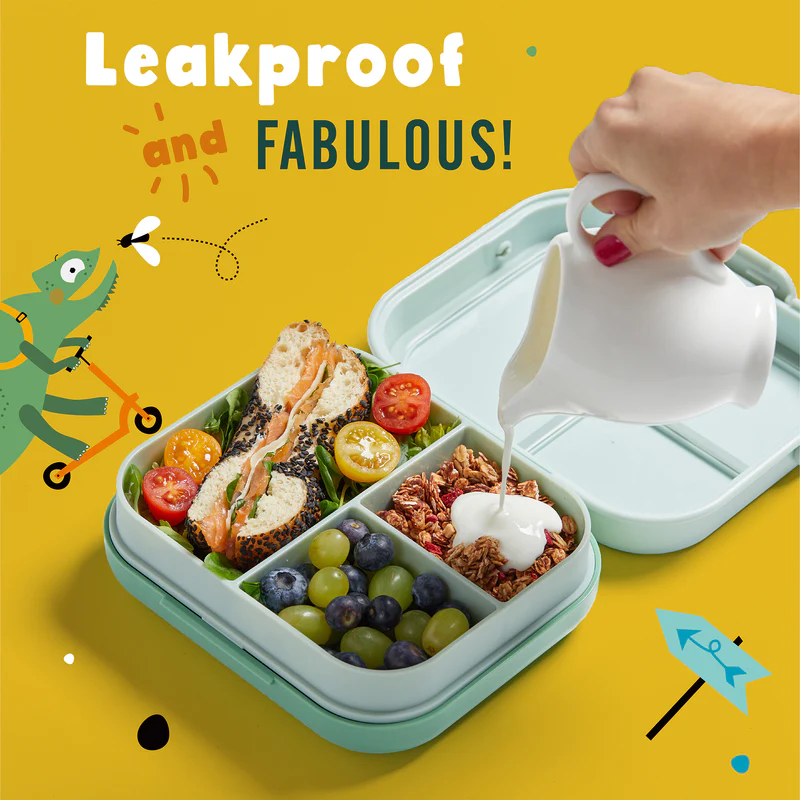
While our boxes are masters at containing thick liquids like yogurt, hummus, or hearty stews, for thin, water-based soups, we always recommend an upright thermos. For everything else that active kids carry, a high-quality bento is your mini-fortress that protects the backpack from messy spills
It’s Not Just About the Lunchbox: Backpack Features That Help
So, we’ve talked a lot about the containers, but what about the backpack itself? Can it offer an extra layer of defense?
Designing Your Backpack for Defense
Beyond the lunch container, what can your child’s backpack itself do to be a better shield against spills? Many modern backpacks are designed with this in mind. Look for features like dedicated, insulated compartments. These are often lined with water-resistant materials. This means that if a minor leak *does* happen, the damage is contained within that specific pocket, rather than spreading throughout the entire bag. The overall backpack design can also minimize the impact of leaks. A structured bag might offer more protection than a flimsy one.
Consider how the lunch compartment is positioned. Is it at the bottom, where it’s most likely to get squashed? Or is it in a more protected area? These are all subtle design elements that can make a big difference.
Finding *Your* Family’s Perfect Spill-Proof Match
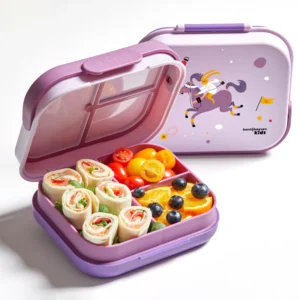
Okay, so we know what to look for in a container and a backpack. But how do you translate that into choosing the right gear for *your* specific family?
Assessing Your Child’s Activity Level and Lunch Habits
Let’s get real: is your little one a gentle walker or a parkour enthusiast with a lunch bag? This will help us figure out what you truly need. Think about your child’s age, their energy levels, and the types of foods you typically pack. Do you often send soup or saucy dishes, or are they more of a sandwich-and-fruit kid? Understanding these habits is the first step to choosing the right level of protection.
For parents who focus on healthy lunch options, ensuring those nutritious meals arrive unspoiled is a priority. This often involves packing foods that are more prone to leaking, like yogurt parfaits or pasta salads with dressing.
From Splash-Resistant to Soup-Proof: What’s Right for You?
There’s a spectrum of protection out there. You’ve got basic splash resistance – which might be fine for a calm car ride. Then you have robust leak-proofing, designed to withstand significant jostling. For most active kids, we’re aiming for that higher end of the spectrum. When selecting containers, look for those with strong, secure latches and high-quality, well-fitting gaskets. For backpacks, prioritize those with dedicated, water-resistant lunch compartments.
It’s about finding that sweet spot where your child’s healthy meals are protected without adding undue stress to your day. The goal is peace of mind, knowing that the dreaded ‘soup stain’ is a thing of the past.
A Quick Note on Safe Heating: Microwave Considerations
While we’re talking about preventing messes, let’s touch on another important aspect of school lunches: food safety. Many schools have microwaves available for students. This means the containers you choose not only need to be leak-proof but also microwave-safe. This ensures that when your child heats their food, the container itself doesn’t degrade or leach harmful chemicals. It’s about ensuring their meal is safe from spills *and* safe to eat.
Always check for the microwave-safe symbol, but here is a pro-tip: always remove the lid AND the internal dividers before microwaving. This protects the airtight silicone seals and ensures the box stays perfectly leak-resistant for the long haul. It’s a small detail that ensures your child’s meal is safe and their gear lasts for years.
Summary: Step-by-Step
So, are you ready to upgrade your child’s lunch gear from ‘maybe spill-proof’ to ‘definitely leak-proof’? What’s the first step you’ll take today to protect your kid’s backpack from the dreaded soup invasion?
- Assess Your Child’s Needs: Consider their age, activity level, and the types of food you pack. Are they a gentle walker or a full-on adventurer?
- Examine Container Features: Look beyond ‘spill-proof’ labels. Focus on true leak-proof qualities: secure latches, robust gaskets, and quality materials.
- Consider Bento Box Benefits: Well-designed bento boxes offer excellent containment with their compartmentalized design and secure lids.
- Evaluate Backpack Design: Seek out backpacks with dedicated, insulated, and water-resistant compartments for an extra layer of protection.
- Prioritize Microwave Safety: Ensure your chosen containers are also microwave-safe for worry-free heating.
- Make the Upgrade: Invest in gear that offers reliable protection, ensuring healthy lunch meals arrive as intended.