Hey there, fellow food lover! Ever stare at your collection of bento boxes and wonder which one is *really* the best for that steaming hot meal you’re about to pack? You’re not alone. Let’s dive deep into the world of hot food containers and figure out if your trusty plastic is doing your delicious lunch justice, or if it’s time to embrace the classic charm of glass.
Hot Food, Cool Container? PP-5 vs. Glass: Which Reigns Supreme for Your Meals?
We’re living in a golden age of meal prepping and bento box lunches. It’s all about taking control of what you eat, saving money, and packing nutritious meals that fuel your day. I remember my early days of meal prep, excitedly filling containers, only to realize later that my once-vibrant curry had stained my plastic container an unappetizing orange, or worse, that my leftovers had picked up a weird, plasticky smell. Sound familiar? It’s easy to just grab what’s handy, but when it comes to hot food, the container you choose can make a surprising difference. So, the big question is: when things get hot, are you Team PP-5 or Team Glass?
PP-5: The Lightweight Champion of Your Lunchbox?
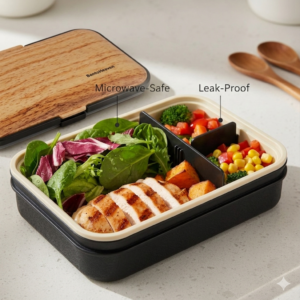
Let’s get acquainted with one of the most common players in the bento box arena: PP-5, also known as Polypropylene. You’ve probably got a whole stack of these in your kitchen drawer, right? They’re the go-to for many because they seem so practical.
What Exactly IS PP-5? (And Why It Matters for Your Food)
PP-5 is a type of plastic that’s widely used for food containers. You’ll often see that little “5” inside the recycling triangle on the bottom, which is a good indicator of what you’re working with. It’s a versatile material, and for good reason. But when we talk about heating food, understanding its properties is key.
The Perks: Why We Love PP-5 for Hot Food
So, what makes PP-5 such a popular choice, especially for those on-the-go meals?
Microwave-Safe Superpowers: This is arguably PP-5’s biggest selling point. It’s designed to handle the heat of a microwave without melting or warping dramatically. Think of it as engineered to withstand that thermal stress without compromising its structure. Ever worried about what might be leaching into your food when you reheat? PP-5 is generally a good bet here, as it’s less prone to chemical migration compared to some other plastics when used as intended. For your microwave-safe food container needs, it’s often the first one you reach for.
Light as a Feather, Tough as Nails: If you’re carrying your lunch around all day, weight matters. PP-5 containers are significantly lighter than their glass counterparts, making them a dream for portable meal prep and bento boxes. Plus, they’re pretty darn durable. Dropping a PP-5 container is usually a non-event – no shattered pieces to worry about! How many times have you dropped a glass container and sighed in dismay? PP-5 gives you that peace of mind, right?
Your Wallet Will Thank You: Let’s be honest, cost is a factor for most of us. PP-5 containers are generally more budget-friendly, both to buy and to replace if they do eventually wear out.
The Not-So-Sunny Side: Potential Drawbacks of PP-5
While PP-5 has its strengths, it’s not without its downsides, especially when we’re talking about repeated heating and long-term use.
The Stink and Stain Syndicate: This is where PP-5 can sometimes let us down. Over time, especially with saucy or strongly colored foods like curries, tomato sauces, or turmeric-rich dishes, PP-5 containers can absorb odors and stains. Does your curry container still smell like curry, even after washing? Yeah, PP-5 can do that. It can be frustrating when you want your container to smell neutral for your next meal.It can be frustrating when colors linger.
Pro-tip from Gergely: If you’re packing a heavy tomato sauce or turmeric-rich curry in your PP-5 bento, try rinsing the container with cold water immediately after use, or give it a light wipe with cooking oil before packing. It creates a tiny barrier that helps our high-density surface stay stain-free and neutral-smelling for your next masterpiece.
The Microplastic Mystery: This is a growing concern for many. While PP-5 is considered safe for microwave use, repeated heating, scratching, and general wear and tear *can* potentially lead to the release of tiny plastic particles, known as microplastics, into your food. Are you curious about the long-term impact of heating plastics? This is something to keep in mind as you choose your containers for healthy lunches.
Key Takeaway for PP-5: It’s your convenient, lightweight, and microwave-friendly workhorse. Just be mindful of potential staining and the ongoing conversation around microplastics.
Glass: The Timeless, Pure Choice for Your Hot Meals.
Now, let’s turn our attention to the classic, the elegant, the ever-reliable glass container. For many, glass just feels… right when it comes to food safety and purity.
The Beauty of Inertness: Why Glass is So Pure
Glass is fundamentally different from plastic. It’s non-porous and inert, meaning it doesn’t react with your food, and crucially, nothing leaches out into your meal, even when heated. It’s pure and simple, offering a completely clean slate for your food. When you’re prioritizing the absolute purest taste and safety for your meals, glass really shines.
The Wins: What Makes Glass a Stellar Option
So, why has glass been a go-to for food storage for so long?
The Ultimate Reheating Vessel: Glass containers are fantastic for both storing and reheating hot food. They heat evenly and can withstand high temperatures. When you want a truly clean reheat, does glass just feel… right? It doesn’t impart any unwanted flavors, and it retains heat beautifully, keeping your food warm for longer.
No Lingering Flavors, No Stubborn Stains: This is a huge win for glass. Because it’s non-porous, it doesn’t absorb odors or stains. Imagine opening your container and smelling *only* your delicious food, not last week’s leftovers. Glass does that! Whether it’s a vibrant turmeric dish or a pungent garlic-heavy meal, your glass container will be as good as new after a wash. This is a major plus for maintaining the integrity of your food prep container collection.
Elegance and Durability (with a Caveat): Let’s face it, glass containers often have a more premium aesthetic. They look great on your counter and can even double as serving dishes. They’re also highly resistant to scratching, which keeps them looking newer for longer. However, this elegance comes with a caveat – their fragility.
The Trade-offs: When Glass Might Not Be Your Best Friend
While glass offers many advantages, it does come with its own set of challenges, especially when we consider the practicalities of daily meal prep and bento packing.
The Weighty Issue & The Fragile Factor: This is the most significant drawback. Glass is considerably heavier than PP-5. If you’re packing a lunch to carry around all day, or if you’re managing multiple containers for a family, that extra weight can add up quickly. And, of course, there’s the ever-present risk of breakage. If you’re rushing out the door, is lugging a heavy glass container your priority?
The Price Tag: Generally speaking, glass food containers tend to be more expensive upfront than their plastic counterparts. While they can last a very long time, the initial investment might be higher.
The Thermal Shock Scare: This is an important one to remember for glass. Rapid temperature changes can cause glass to crack or even shatter. Ever put a hot glass dish on a cold counter? Or poured cold water into a recently heated glass container? That’s the kind of thing to avoid with glass to prevent thermal shock.
Key Takeaway for Glass: It’s your pure, non-reactive, and flavor-preserving champion. Just be prepared for the extra weight and handle with care!
So, What’s the Final Call for Your Hot Food?
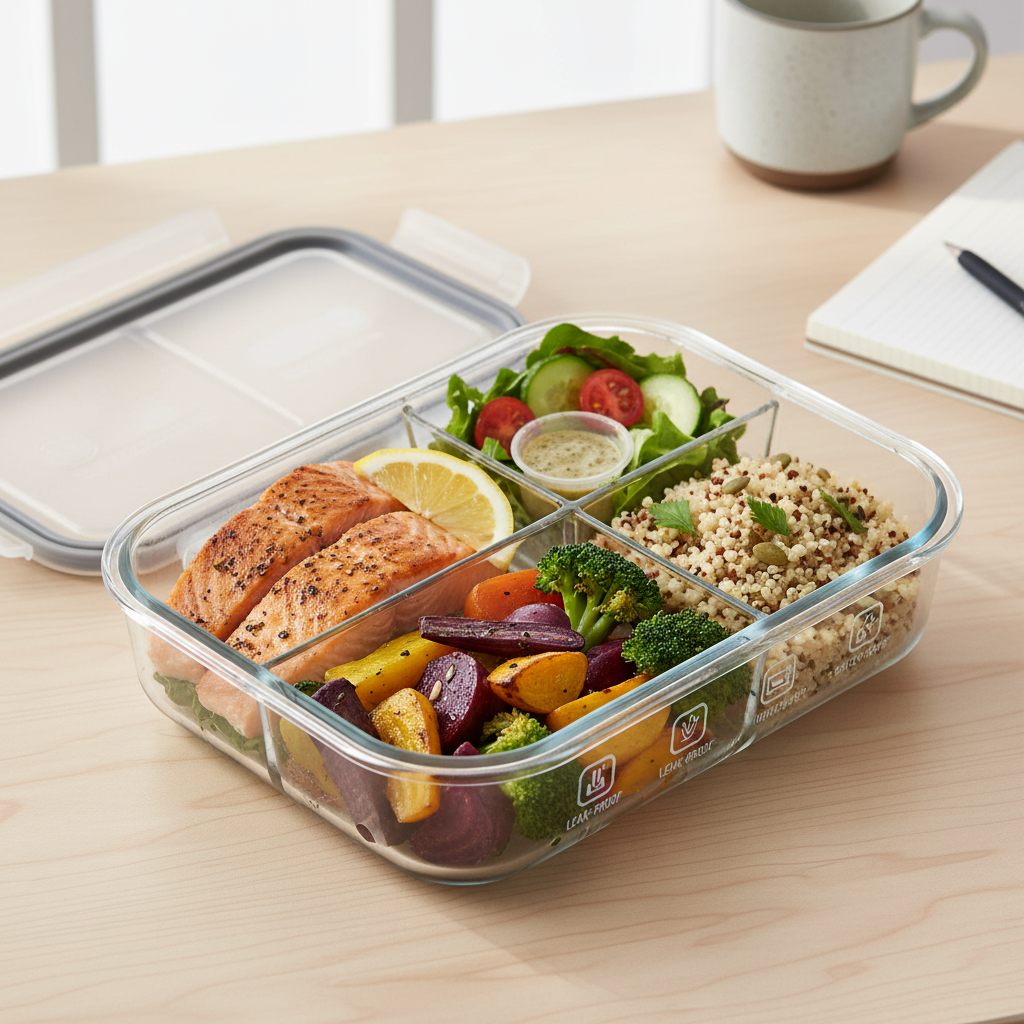
We’ve looked at the pros and cons of both PP-5 and glass. Now, how do you decide which is the right fit for *your* hot meals and your lifestyle? It really comes down to your priorities.
When PP-5 Shines Brightest
If you’re constantly on the move, a busy commuter, a student heading to class, or someone with an active lifestyle, PP-5 might just be your best friend. Its lightweight nature makes it incredibly portable, and its durability means you don’t have to baby it. It’s perfect for those quick reheats in the office or at school. If you’re prioritizing convenience and ease of transport for your bento box, PP-5 is calling your name. Just remember the golden rule: always check for that “microwave-safe” label on your PP-5 containers before you heat!
When Glass Takes the Crown
On the other hand, if your main focus is on preserving the absolute purest taste of your food, you’re concerned about potential plastic leaching, or you simply prefer the clean, premium feel of glass, then glass containers are likely your winner. They are ideal for home kitchens, for those who want to avoid any lingering odors or stains, and for anyone who values a truly inert food contact material. If you don’t mind a little extra weight and are careful about temperature changes, glass offers an unparalleled experience for enjoying your hot meals. Remember to let glass cool down a bit before putting it in the fridge, and vice-versa, to avoid that thermal shock.
The Hybrid Approach: Maybe You Need Both?
And what if the answer isn’t choosing one over the other, but embracing both? For many of us, a combination of containers offers the most practical solution. You might use lightweight PP-5 containers for your daily commute to work or school, where portability is paramount. Then, you might opt for beautiful glass containers for your weekend meal prep at home, where you can enjoy the pure taste and visual appeal without the worry of carrying them around. Could a mix of PP-5 for your daily commute and glass for your weekend meal prep be the ultimate strategy? It’s definitely worth considering!
Your Meal Prep, Your Way: The “best” container is the one that fits your life and your needs. Don’t be afraid to mix and match!
Your Hot Food, Your Choice: Empowering Your Meal Prep Journey
Ultimately, the decision between PP-5 and glass for your hot food comes down to what matters most to you. Do you prioritize the feather-light convenience and durability of PP-5, or the absolute purity and taste integrity of glass? Both have their place in a well-equipped kitchen, and understanding their strengths and weaknesses helps you make informed choices for your healthy meals. Now that you’ve got the lowdown, what container will you be reaching for next time you pack that delicious hot meal?
Summary: Step-by-Step
Here’s a quick rundown to help you decide:
- Understand Your Needs: Are you prioritizing portability and durability (PP-5) or purity and taste preservation (Glass)?
- Consider Your Hot Food: For everyday reheating where convenience is key, PP-5 is often suitable (ensure it’s microwave-safe). For the purest taste and no flavor transfer, especially with strong-smelling foods, glass is superior.
- Evaluate Your Lifestyle: If you’re always on the go, the lightweight nature of PP-5 is a major advantage. If your containers stay mostly at home, glass is a fantastic, safe choice.
- Weight & Durability: PP-5 is lighter and shatter-resistant. Glass is heavier and fragile.
- Safety & Purity: Both are generally safe for hot food when used correctly, but glass offers absolute inertness and no potential for microplastic concerns.
- Odor & Stain Resistance: Glass wins hands down here. PP-5 can absorb smells and stains over time.
- Embrace the Hybrid: Don’t feel you have to choose just one! A combination of PP-5 and glass containers can offer the best of both worlds for different situations.