Sauce SOS: Your Ultimate Guide to Spill-Proof Packing
Ever opened your lunch bag to find a colorful, sticky disaster? Yeah, we’ve all been there. That perfectly packed salad now looks like a Jackson Pollock painting thanks to a rogue vinaigrette. Packing sauces for your lunch or meal prep can feel like a gamble. Will it leak? Will it ruin everything else? Today, we’re going to equip you with the secrets to packing those delicious sauces, dips, and dressings without a single spill. Ready to take control?
The Foundation: Choosing the Right Vessel
Ah, the vessel. It’s the unsung hero of spill-free lunches. Think of it as the trusty guardian of your delicious condiments. If your guardian isn’t up to the task, well, you know what happens. So, what makes a good guardian?
Specialized Sauce Savers: Your New Best Friends
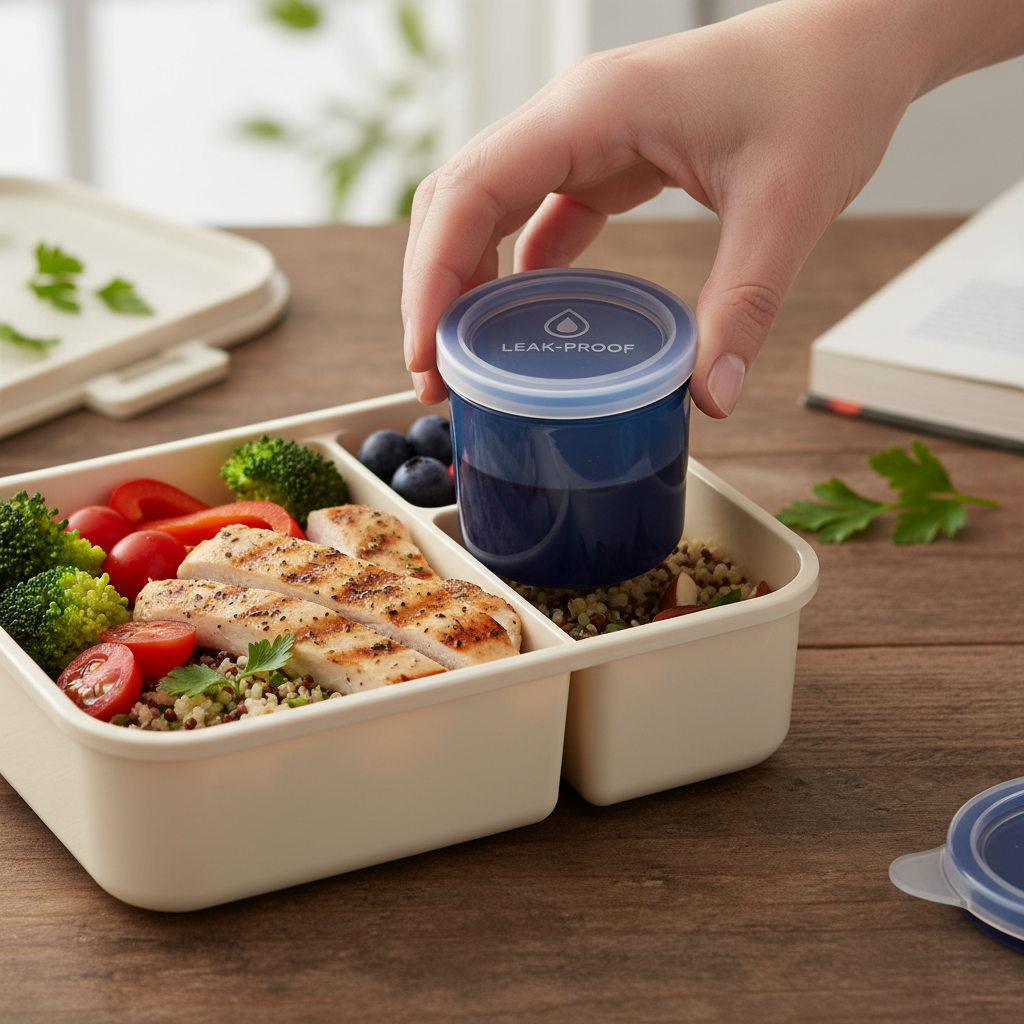
These little guys are often overlooked, but trust me, they’re game-changers. We’re talking about those tiny, screw-top containers with serious sealing power. You’ll often find them as part of a great bento box setup, or you can snag them as standalone meal prep accessories.
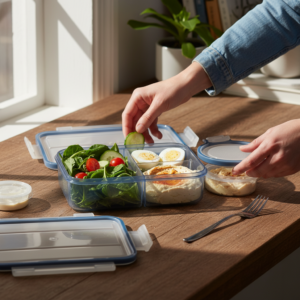
You’ll often find these as part of a great bento setup. But here is a pro-tip for BentoHeaven fans: While our main boxes have a leak-resistant exterior seal that’s perfect for thick things like hummus, the internal dividers are not liquid-tight. This is exactly why we always recommend using a dedicated, screw-top sauce pod inside your bento for thin dressings. It’s the only way to ensure your vinaigrette stays with your salad and doesn’t decide to visit your sandwich in the next compartment. Why do they work so well? These aren’t your average condiment cups you get with takeout. They’re specifically designed with robust silicone seals and secure lids to keep liquids locked in tighter than a drum. When you’re looking for your next sauce-saving sidekick, search for containers explicitly marketed as “leak-proof” or “bento sauce containers.” These are your new best friends in the fight against lunchbox messes.
The Double-Bagging Power Duo: When in Doubt, Double Up!
Sometimes, even the best specialized containers need a little backup, or maybe you’re working with something a bit trickier. For thicker sauces, have you explored the magic of reusable silicone food bags? They’re super durable and have excellent seals that can handle a lot. But for those thinner, more adventurous sauces, the classic zip-top bag gets a superhero upgrade with double-bagging. How do you do it right? It’s simple: place your sauce in a high-quality small zip-top bag, then place *that* bag inside *another* zip-top bag. It’s an extra layer of defense that can genuinely save your lunch from becoming a sticky art project. My tip? Invest in good quality, thick zip-top bags. The cheap ones are just more likely to fail you when you least expect it.
Mastering the Packing Process: Key Techniques
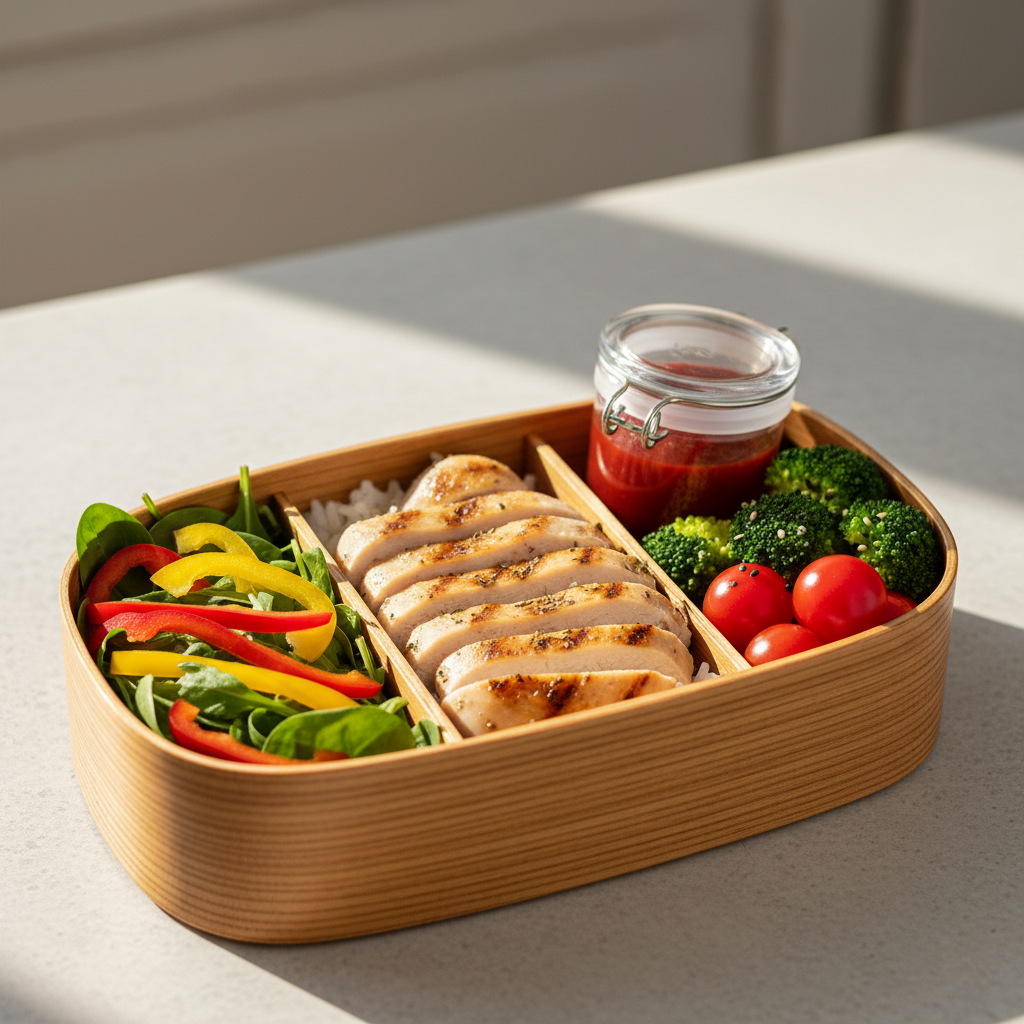
Alright, you’ve got your trusty containers. Now, how do you actually pack them so they don’t decide to explore the rest of your lunch? It’s all in the technique, and it’s simpler than you might think.
The Golden Rule: Don’t Overfill!
This one might sound obvious, but you’d be surprised how often it’s the culprit. Imagine a balloon filled to the brim. What happens when you give it a gentle squeeze? Pressure! The same principle applies to your sauce containers. If you stuff them to the absolute max, you’re putting excess pressure on the lid and the seal. The sweet spot? Aim to fill your containers only to about 80% capacity. This leaves crucial room for any slight expansion and prevents that annoying pressure build-up that leads to leaks. So, before you snap that lid shut, give it an eyeball. If it looks stuffed, take a little bit out. Your future self, opening a clean lunch bag, will thank you.
The Seal of Approval: Lids and Integrity
This is where we get serious. Is the lid screwed on TIGHTLY? This is non-negotiable, folks. I can’t stress this enough. But it’s not just about tightness; it’s about the overall integrity of your container. Regularly inspect your containers and lids. Are there any hairline cracks? Has the silicone seal started to look worn out or damaged? A compromised seal is basically an invitation for a spill. Before you pack, give each lid a final twist and a gentle tug. Just a quick check to ensure it’s as secure as it can possibly be. It’s a small step that makes a massive difference.
Sauce Smarts: Considering Consistency and Temperature
Not all sauces are created equal, right? Some are thick and forgiving, while others are… well, let’s just say they have a mind of their own. Understanding this is key to successful packing.
Know Your Enemy (or Friend!): Thick vs. Thin Sauces
Thicker sauces, like hummus, pesto, or thick yogurt dips, are generally more forgiving. They have more body, which means they’re less likely to slosh around and escape. Thinner sauces, however, like vinaigrettes, soy sauce, or runny dressings – these are the ones that demand extra attention. They’re the escape artists of the condiment world! For these thinner sauces, be extra vigilant with your container choice and your sealing technique. Double-bagging becomes your best friend here.
The Chill Factor: Freezing for Fluido-Phobia
Here’s a surprising solution for those notoriously thin sauces that give you the most grief, like salad dressings. Have you ever considered freezing them? Yep, you read that right! Freeze small portions in your leak-proof containers. They’ll be solid or at least semi-solid during transit, and by lunchtime, they’ll have thawed perfectly. This is a total game-changer for packing vinaigrettes for salads without any worry. Just make sure your container is freezer-safe, of course!
Integrating Sauces into Your Meal Prep Strategy
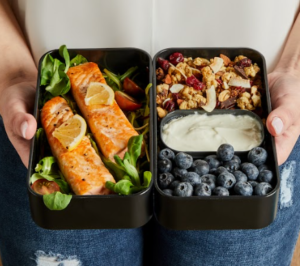
Packing sauces isn’t just about the container; it’s about how you integrate them into your overall meal prep strategy. Where you place them matters!
Bento Box Brilliance: Compartmentalize and Conquer
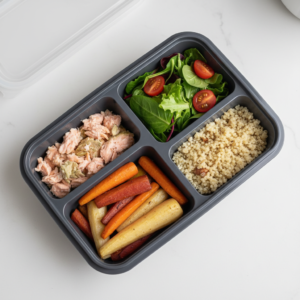
If you’re a fan of bento boxes, you already know their superpower: compartmentalization. Many bento boxes are designed with built-in compartments, or they perfectly accommodate the use of those small, dedicated sauce holders we talked about earlier. The benefit? This keeps your sauces completely separate from other foods, preventing cross-contamination and further minimizing spill risks. If you’re a regular bento user, investing in boxes with good compartmentalization or compatible sauce inserts is a no-brainer.
The “Sauce Pocket” Hack (for non-bento users)
What if your container doesn’t have a separate compartment, or you’re not using a bento box? No problem! The “sauce pocket” hack is for you. Find a corner of your lunch bag where your sealed sauce container is less likely to be squashed by other items. The goal is to minimize movement and pressure. You can even use a small, sturdy reusable bag to hold your sauce container and then place *that* bag in a secure spot in your main lunch bag. It adds a little extra security and keeps things tidy.
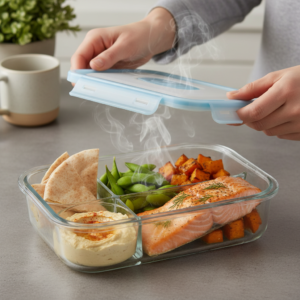
A Note on Reheating: If you’re using our sauce pods or bento accessories, remember to remove the lids before microwaving. Many sauces (especially those with sugar or oil) heat up incredibly fast and can reach temperatures that might damage the silicone seal if the lid is tightly closed. Safety first, lunch second!
Conclusion
So, we’ve covered choosing the right containers, mastering the packing technique, understanding sauce consistency, and smart integration into your lunch strategy. Packing sauces without spills isn’t rocket science, but it does require a little know-how and the right tools. It’s about being intentional with how you pack your delicious meals. What’s your go-to sauce-packing hack? Share it in the comments below! Let’s keep those lunch bags clean and our meals delicious.
Summary: Step-by-Step
- Choose the Right Vessel: Opt for specialized leak-proof bento sauce containers or use high-quality zip-top bags (double-bagged for thin sauces).
- Fill Smartly: Never overfill! Aim for about 80% capacity to prevent pressure leaks.
- Seal It Tight: Ensure lids are screwed on firmly. Regularly inspect containers and seals for any damage.
- Consider Sauce Type: Be extra cautious with thin sauces (like vinaigrettes); thicker sauces (like pesto) are more forgiving.
- Chill Out If Needed: For very thin sauces, consider freezing them in small portions before packing.
- Compartmentalize: Use bento box compartments or a dedicated “sauce pocket” in your lunch bag to keep sauces secure and separate.