Your lunch is your sanctuary, a moment of nourishment and peace in a busy day. But what if the very container meant to protect your carefully prepared meal becomes the source of your lunchtime woes? We’re diving deep into a topic that might seem small but has a huge impact: the humble closure of your bento box. Specifically, we’re talking about the age-old debate: straps versus latches. Which one truly keeps your food safe and sound, and why might one be a far better choice for your daily meal prep adventures?
Your Lunch, Your Rules: But What About Your Container?
Let’s be honest, the rise of meal prepping and the desire for healthier, home-cooked lunches on the go has made the bento box a total game-changer. It’s more than just a container; it’s a tool for healthier living, a way to take control of what you eat. But even the most beautifully arranged bento can turn into a soggy mess if its closure isn’t up to the task. You’ve probably seen them everywhere: those sleek bento boxes secured with either a stretchy strap or a series of clicky latches. They both aim to do the same thing – keep your food in, and the outside world out. But how well do they actually perform under pressure?
The quest for the perfect bento box.
Finding the right bento box can feel like a quest. You’re looking for something that fits your lifestyle, your portion sizes, and your aesthetic. We’re all striving for that perfect balance of convenience and health, and a good bento box is central to that mission. It’s about creating a reliable system for your daily meals.
The unsung heroes (or villains) of your bento: the closure.
This is where things get interesting. The closure is arguably the most critical component of your bento box. It’s the frontline defense against spills, leaks, and unwanted contamination. Without a solid closure, all your efforts in packing a delicious and healthy lunch could be in vain. So, when you’re choosing your next bento companion, have you ever stopped to really think about whether it uses straps or latches? And more importantly, have you ever experienced a lunch disaster because of a faulty closure?
Why Straps Just *Work* Better (Most of the Time)
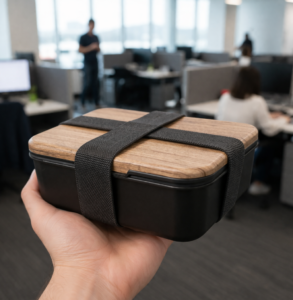
When it comes to keeping your bento box securely shut, there’s a strong case to be made for the humble strap. It might seem simple, but the design and function of a good strap offer some distinct advantages that latches often struggle to match. Let’s break down why straps frequently come out on top.
The Power of Elasticity: Gentle Yet Firm.
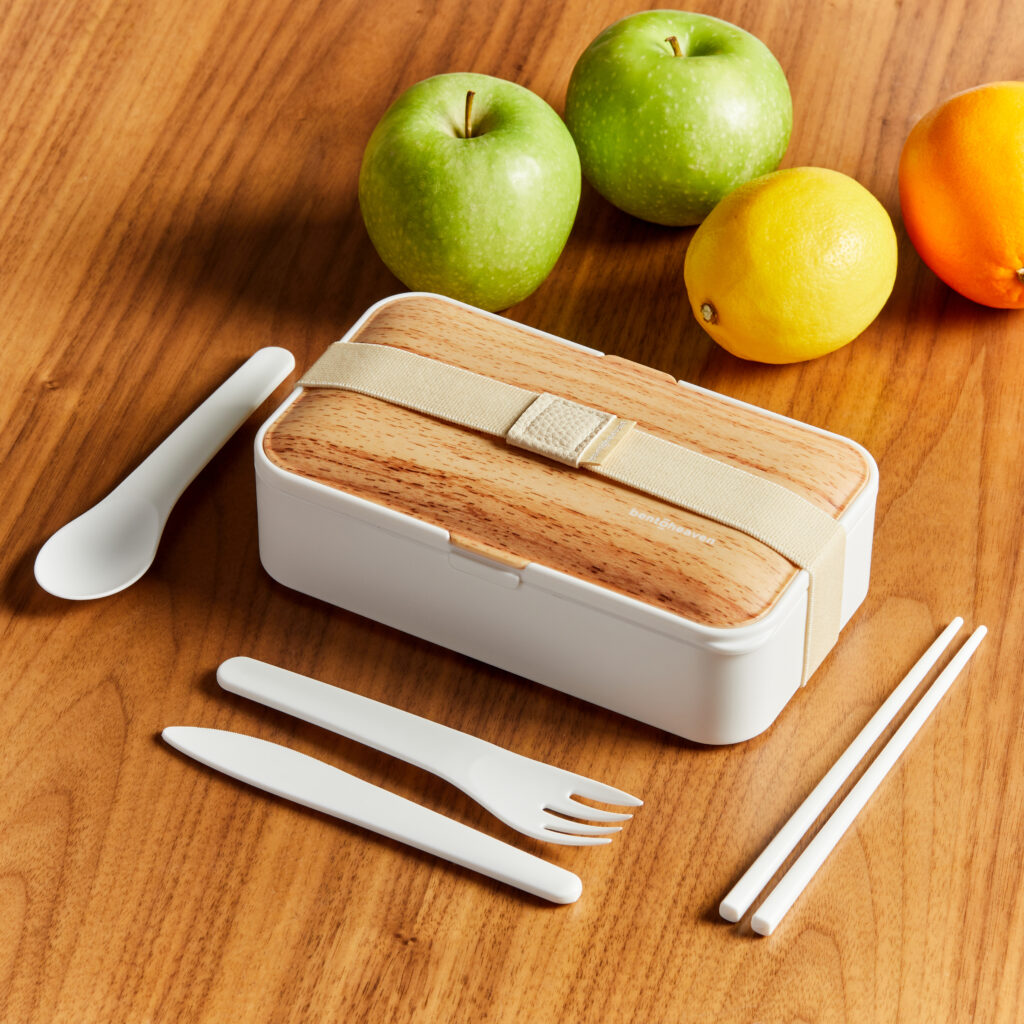
Think about what a good elastic or fabric strap does. It stretches, it conforms, and it applies a consistent, gentle pressure all the way around your bento box. This flexibility is key. Unlike rigid latches, straps can adapt. Did your lunch expand slightly after being packed? Is there a tiny variation in the container’s shape? A strap can handle it. This adaptability means it’s less likely to create pressure points that could lead to leaks or compromise the seal. It’s like a firm hug for your food, holding everything securely without being overly aggressive.
Distributing the Pressure: A Smarter Way to Seal.
This is a big one. Latches, by their very nature, concentrate pressure at specific points where they click together. Straps, on the other hand, distribute that sealing pressure evenly around the entire perimeter of the bento box. Imagine trying to hold a large, flat object together with just two fingers versus using your whole hand. The whole-hand approach provides much more uniform and stable pressure. This even distribution helps create a more consistent and reliable seal, reducing the chances of liquid seeping out from any one spot.
Built to Last: The Long-Term Reliability Factor.
From my experience and what I’ve seen and heard from countless bento enthusiasts, straps tend to be more durable over the long haul. Mechanical latches, with their moving parts and plastic hinges, are simply more prone to wear and tear. Think about it: every time you click a latch open and closed, you’re putting stress on that mechanism. Straps, especially those made from high-quality, robust elastic or durable fabric, experience less of this kind of mechanical stress. While direct statistical data comparing failure rates might be scarce, the trend in reviews and anecdotal feedback often points to latches as a common weak link in a bento box’s lifespan. A well-made strap, however, can keep your bento secure for years.
Straps offer a flexible, even pressure that can lead to a more reliable and long-lasting seal for your bento box.
When Latches Let You Down: What Can Go Wrong?
Now, let’s talk about the other side of the coin: latches. They’re common, they’re often easy to operate, but they also come with their own set of potential pitfalls. If you’ve ever had a bento box lid pop open unexpectedly, there’s a good chance a latch was involved. Why is this the case? It often comes down to how they’re designed and how they hold up over time.
The Stress Test: Repeated Opening and Closing.
Every single time you open your bento box, you’re engaging the latch mechanism. This repeated action, the clicking, the snapping, the flexing of plastic, puts a constant strain on the material. Over time, this stress can lead to microscopic cracks, weakened hinges, or a general loss of that satisfying “snap” that tells you it’s securely locked. It’s like bending a piece of metal back and forth; eventually, it’s going to break.
Rigidity vs. Adaptability: Why Less Flexibility Can Be a Problem.
Remember how we talked about the flexibility of straps? Latches are the opposite. They are rigid. While this can be good for a firm lock when everything is perfectly aligned, it offers little forgiveness. If there’s any slight swelling in your food, a minor bump to the container, or just a tiny imperfection in the lid’s fit, the rigid latch might not be able to compensate. This lack of adaptability can sometimes lead to the seal being compromised, even if the latch itself is still technically “closed.”
The “Snap” That Fades: Wear and Tear.
The very mechanism that makes a latch feel secure – that distinct click – can also be its downfall. The springs, the interlocking plastic teeth, the pivot points – these are all subject to wear. As these components degrade, the latch might not close as tightly, or it might not stay closed at all. You might find yourself having to press down harder, or you might notice that one latch seems looser than the others. This gradual degradation of the “snap” is a common reason why latched bento boxes can become less reliable over time, turning what was once a secure seal into a potential spill hazard.
The mechanical nature of latches makes them susceptible to stress, wear, and a loss of their secure “snap” over time.
Beyond the Closure: What Else Matters in a Bento Box?
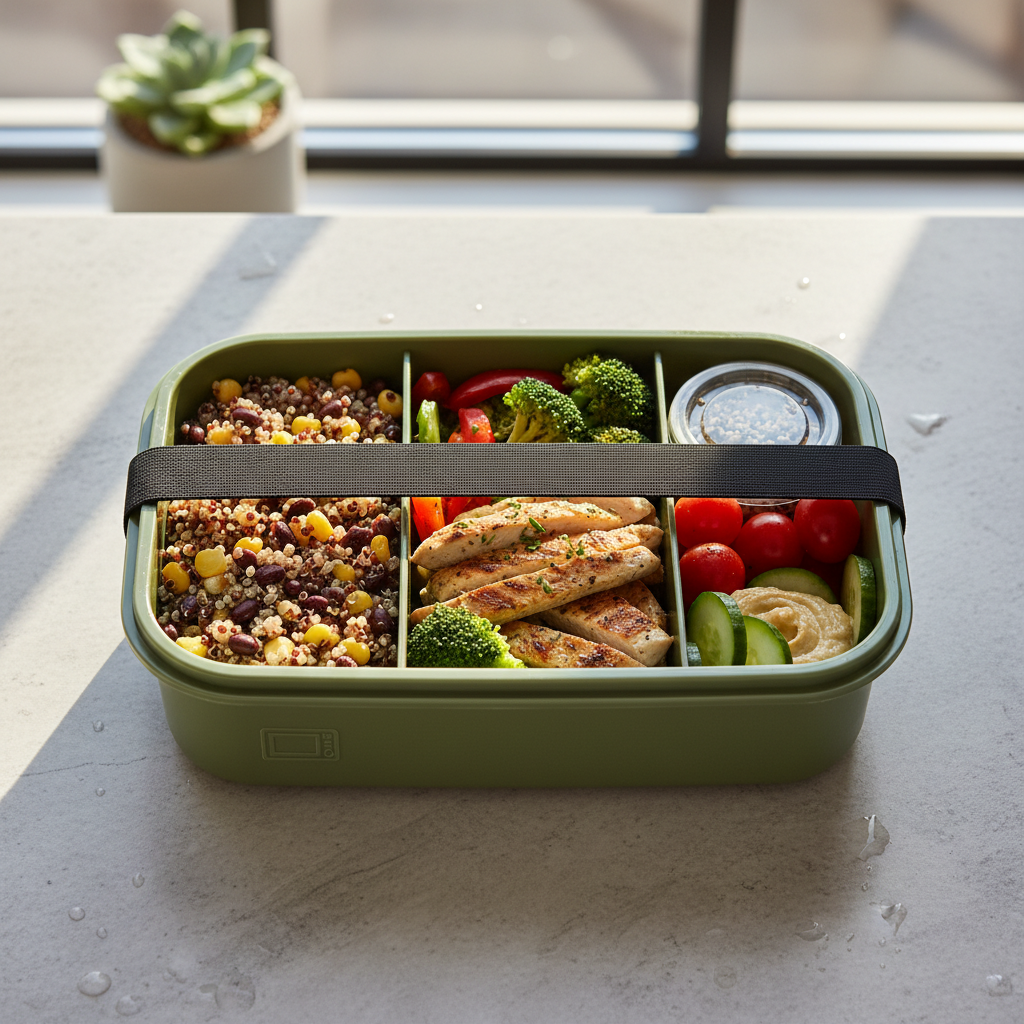
While we’re focusing heavily on the closure, it’s important to remember that it’s part of a bigger picture. A great strap or a sturdy latch works in conjunction with other design elements to create a truly functional bento box. What else should you be considering when you’re looking for a reliable lunch companion?
Leak-Proofing: The Foundation of a Good Lunch.
The ultimate goal, right? A leak-proof bento box means you can toss it in your bag with confidence. While the closure mechanism is crucial for *maintaining* that seal, the primary leak-proofing often comes from well-designed gasket seals within the lid and a snug fit between the lid and the container. A good strap or latch is there to ensure that these primary leak-proofing features stay in place, no matter how much your lunch bag gets jostled.
Meal Prep & Healthy Habits: Reliability is Key.
If you’re into meal prepping, you know that consistency is everything. You spend time planning, shopping, and cooking. The last thing you want is for your carefully prepared, healthy meal to end up all over your backpack. The reliability of your bento box’s closure directly impacts your ability to stick to your healthy eating goals. How can you truly rely on your healthy meal if your container can’t keep it contained? This is where the durability and trustworthiness of a strap can really shine, giving you peace of mind day after day.
Material Matters: Microwave Safety & More.
Of course, the material of your bento box is also super important. Are you looking for something microwave-safe for reheating? Does it need to be dishwasher-friendly? While the closure is a critical feature for transport, the overall material will determine how you can use and care for your bento box. For instance, some straps might need to be removed before microwaving. A well-designed bento box integrates its closure system thoughtfully with its materials and intended use. A good strap is part of a holistic design that prioritizes both safety and functionality for your meal prep needs.
Ready to Upgrade Your Lunch Game?
So, we’ve explored the ins and outs of bento box closures, and the evidence points pretty strongly in one direction. While latches might seem convenient at first glance, the long-term durability, flexibility, and even pressure distribution offered by straps often make them the superior choice for keeping your lunches secure and your meal prep plans on track.
The Verdict: Straps Often Reign Supreme.
When you’re choosing your next bento box, take a moment to really look at how it closes. Are you opting for the mechanical simplicity of latches, with their potential for wear and tear? Or are you going for the reliable, adaptable embrace of a sturdy strap? For many of us who rely on our bento boxes for daily healthy meals, the strap is the unsung hero that ensures our food stays where it belongs. It’s about investing in a container that will reliably support your healthy habits, day in and day out.
What’s Your Bento Box Experience?
Now I want to hear from you! What has your experience been with bento box closures? Have you had a strap save your lunch from disaster, or has a latch let you down at a critical moment? Share your stories, your favorite bento box features, and any tips you have in the comments below. Let’s learn from each other and build the ultimate guide to choosing the perfect bento box!
Summary: Step-by-Step
- Assess your needs: Consider how you’ll be transporting your bento box and what type of meals you pack.
- Examine the closure: Look closely at the mechanism – is it a strap or latches?
- Prioritize durability: For long-term reliability, straps often outperform latches due to less mechanical stress and wear.
- Consider flexibility: Straps can adapt to slight changes in container fullness, potentially offering a more consistent seal.
- Think about pressure distribution: Straps apply even pressure around the container, while latches concentrate it at points.
- Read reviews: Look for feedback on how well the closure holds up over time and its leak-proof capabilities.
- Integrate with other features: Ensure the closure works well with the lid’s gasket and the overall design for optimal leak protection.
- Choose wisely: Select a bento box with a closure that best suits your lifestyle and ensures your healthy lunches arrive safely.