Does the phrase “what’s for lunch?” send a shiver down your spine? Are you tired of soggy sandwiches and uneaten snacks coming home? What if I told you there’s a way to transform lunchtime battles into moments of culinary adventure for your picky eater? As a co-founder and bento enthusiast, I’ve seen firsthand how bento can work wonders, and trust me, it’s not as complicated as it seems. In this guide, we’ll explore how to make bento not just a meal, but an exciting journey your child will actually look forward to.
Bento Box Magic: Turning Picky Eaters into Food Explorers!
Let’s dive into why the humble bento box is a superhero for parents of picky eaters. It’s more than just a pretty container; it’s a strategy that taps into visual appeal, controlled portions, and a sense of empowerment.
The Power of Presentation: Seeing is Believing
Think about it: when food looks good, don’t you want to try it? For kids, this is amplified. A bento box, with its neat compartments and colorful arrangements, can make even familiar foods look exciting. Plus, those dividers? They’re a godsend for picky eaters. They keep “safe” foods separate from anything new or potentially overwhelming. It’s like a curated tasting menu designed for comfort and curiosity. According to research, the global bento box market was valued at USD 3.2 billion in 2023, and it’s growing – a clear sign that people are recognizing its value, especially for packed meals.
Small Portions, Big Wins: Less Intimidation, More Exploration
A giant plate of food can feel like a challenge to a picky eater. Bento boxes, by their very nature, offer smaller, manageable portions. This makes trying new things feel less daunting. Instead of a mountain of peas, they see a small, inviting cluster. This encourages them to explore a wider variety of foods without feeling pressured to eat a large quantity of any one item. Isn’t that exactly what we want – a chance for them to discover new favorites?
Control and Choice: Empowering Your Picky Eater
This is where the magic really happens. When you involve your child in the bento-making process, you give them a sense of ownership. This isn’t just about them eating what you give them; it’s about them participating in their own meal preparation. Think of it as a collaborative meal prep session. When they have a say, even a small one, they’re more likely to engage with the food. How can we make them feel like they’re in the driver’s seat of their lunch?
The Bento Market is Booming – And Here’s Why!
The fact that the bento box market is thriving isn’t just about trends; it’s a testament to their effectiveness. Parents are looking for solutions, and bento boxes offer a visually appealing, practical, and fun way to pack meals. It’s proof that this approach resonates with families worldwide. Are you ready to join this growing movement?
Gearing Up for Bento Success: Essential Tools & Tips
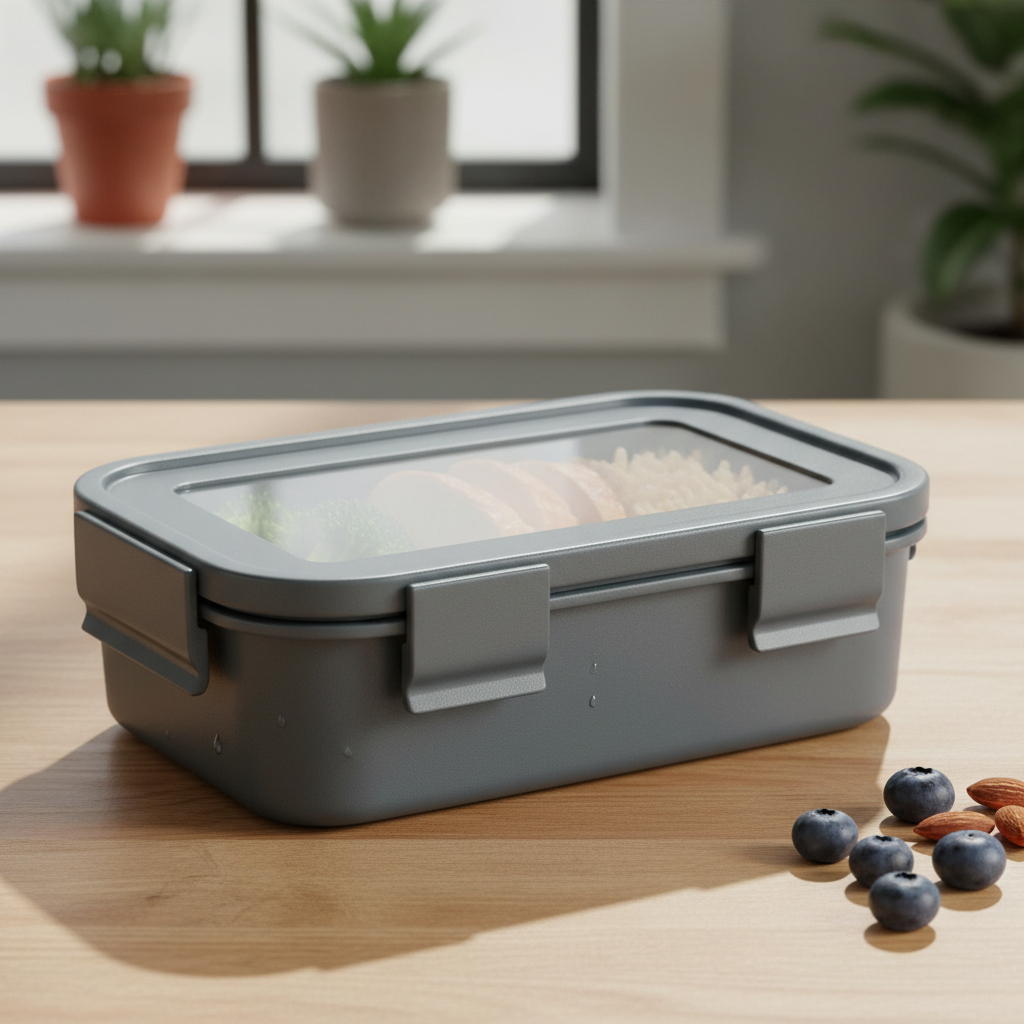
Before we get to the fun part – filling the boxes! – let’s talk about what you’ll need. Don’t worry, it’s not about buying every gadget under the sun. It’s about having the right tools to make your bento journey smooth and enjoyable.
Choosing Your Bento Box: Function Meets Fun
Not all bento boxes are created equal, especially when you’re dealing with picky eaters. Here’s what to look for:
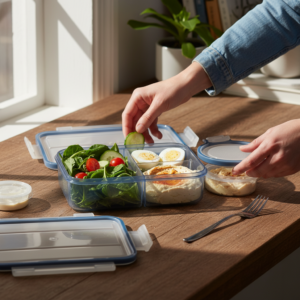
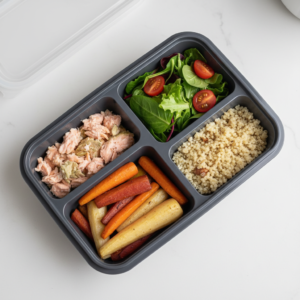
- Compartments are Key: Built-in dividers are your best friend to keep ‘safe’ foods away from new items. But here is an essential pro-tip for parents of picky eaters: While our bento boxes feature high-quality silicone seals that keep the backpack 100% dry, the internal dividers are not liquid-tight.
- Size Matters: Consider your child’s appetite. A box that’s too big can be overwhelming, while one that’s too small won’t hold enough.
- Leak-Proof Strategy: To ensure that moist items like yogurt, hummus, or juicy watermelon chunks absolutely never migrate into other sections, always use a separate, screw-top sauce pod or high-walled silicone liners inside the compartments. This is the ultimate secret to guaranteeing a true ‘no-touch’ eating environment that sensitive kids need.
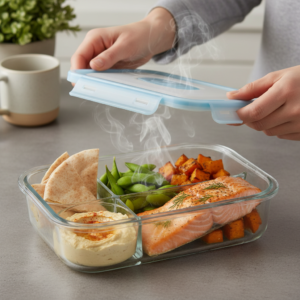
- Microwave-Safe Considerations: If your child’s school has a microwave, a microwave-safe option can be a lifesaver for warm lunches.
- Material Matters: Opt for BPA-free, durable materials that are easy to clean.
Beyond the Box: Fun Accessories to Spark Joy
These little extras can make a big difference in turning a meal into an experience:
- Cookie Cutters: Perfect for giving fun shapes to sandwiches, cheese slices, fruits, and even vegetables.
- Food Picks: Think cute animal shapes, colorful characters, or even little swords. They make picking up and eating food more engaging.
- Silicone Muffin Liners: These are fantastic for creating visual separation between foods and adding pops of color.
- Small Containers: Ideal for dips, sauces, or small portions of dressings.
Having these tools at your disposal can help you get creative. What’s one accessory you’re excited to try first?
The Picky Eater’s Bento Blueprint: From “No Way!” to “Yum!”
Now for the heart of it all: how do we actually fill these boxes in a way that appeals to a picky eater? It’s about strategy, patience, and a dash of fun.
Start with the “Safe Zone”: Build Confidence First
What are your child’s absolute favorite foods? The ones they’ll eat without question? These are your building blocks. Fill a significant portion of the bento box with these “yes” foods. This creates a sense of comfort and familiarity, ensuring they have something they know they’ll enjoy. This is their safe harbor, their confidence booster. How many “safe” foods can you identify right now?
The Art of the “Gateway Food”: Introducing New Flavors Gently
Once their “safe zone” is established, it’s time for gentle introductions. This is where the concept of “gateway foods” comes in. How can we make trying something new feel less like a dare and more like an invitation?
- The “One Bite Rule” (but make it fun!): Instead of forcing them to eat a whole new item, encourage just one tiny taste. Maybe they can use a fun pick to “spear” it.
- Pairing is Caring: Introduce a new food alongside a favorite. For example, a few small pieces of a new fruit next to their favorite apple slices.
- Deconstruct and Reconstruct: If a dish is usually mixed, offer the components separately. Think about serving chicken nuggets with a tiny bit of ketchup in a small container, rather than mixed into a stir-fry.
What’s one new food you’ve been wanting to introduce? How could you pair it with a favorite?
Creative Food Presentation: Making Food Playful
This is where those accessories come in handy! Presentation is everything for picky eaters.
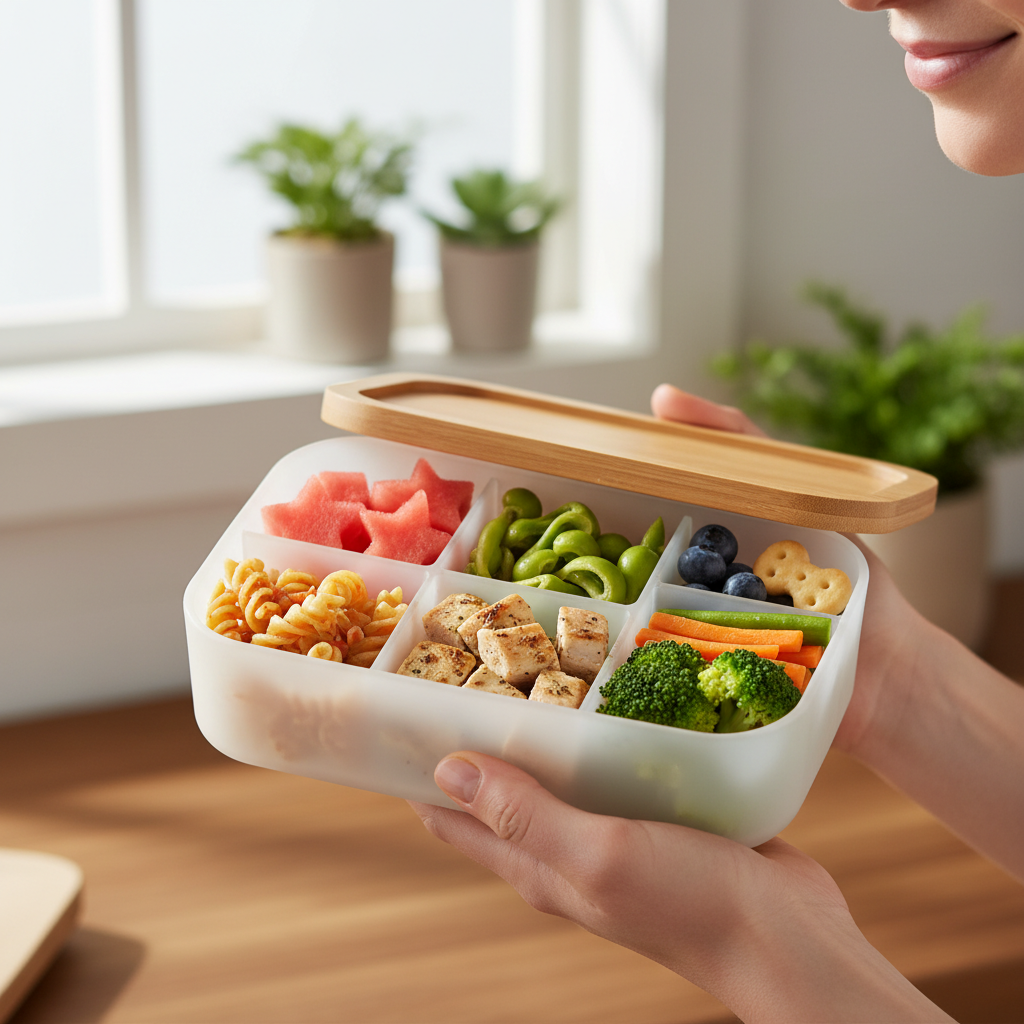
- Shapes and Smiles: Use cookie cutters to transform sandwiches, cheese, or even slices of cucumber into stars, hearts, or fun animals.
- “Food Art” Inspiration: Arrange food to look like simple faces or scenes. A few olives for eyes, a carrot stick for a smile – it can be surprisingly effective.
- Color Power: Aim for a rainbow of colors in your bento box. Different colors often mean different nutrients, and a visually vibrant box is more appealing.
- Tiny Portions, Big Impact: Offer small, bite-sized pieces of everything. It makes food easier to manage and less intimidating.
How can you add a touch of “food art” to their next lunch?
Involving Your Child: The Ultimate Bento Hack
This is, hands down, the most effective strategy. When your child is part of the process, they become invested.
- “Bento Bar” Setup: Lay out a few pre-approved options (e.g., a couple of fruits, a protein, a carb) and let them choose what goes into their box.
- Decoration Station: Let them place the fun food picks or arrange the cookie-cut shapes.
- “What do you want to try today?” Frame it as a question of exploration and choice, not a demand.
- Reference “Healthy Lunch” principles: As they explore, you can gently talk about how different foods help their bodies grow strong and give them energy for playing.
Imagine your child excitedly choosing their lunch components. What would that look like in your home?
Beyond the Basics: Troubleshooting & Keeping it Fresh
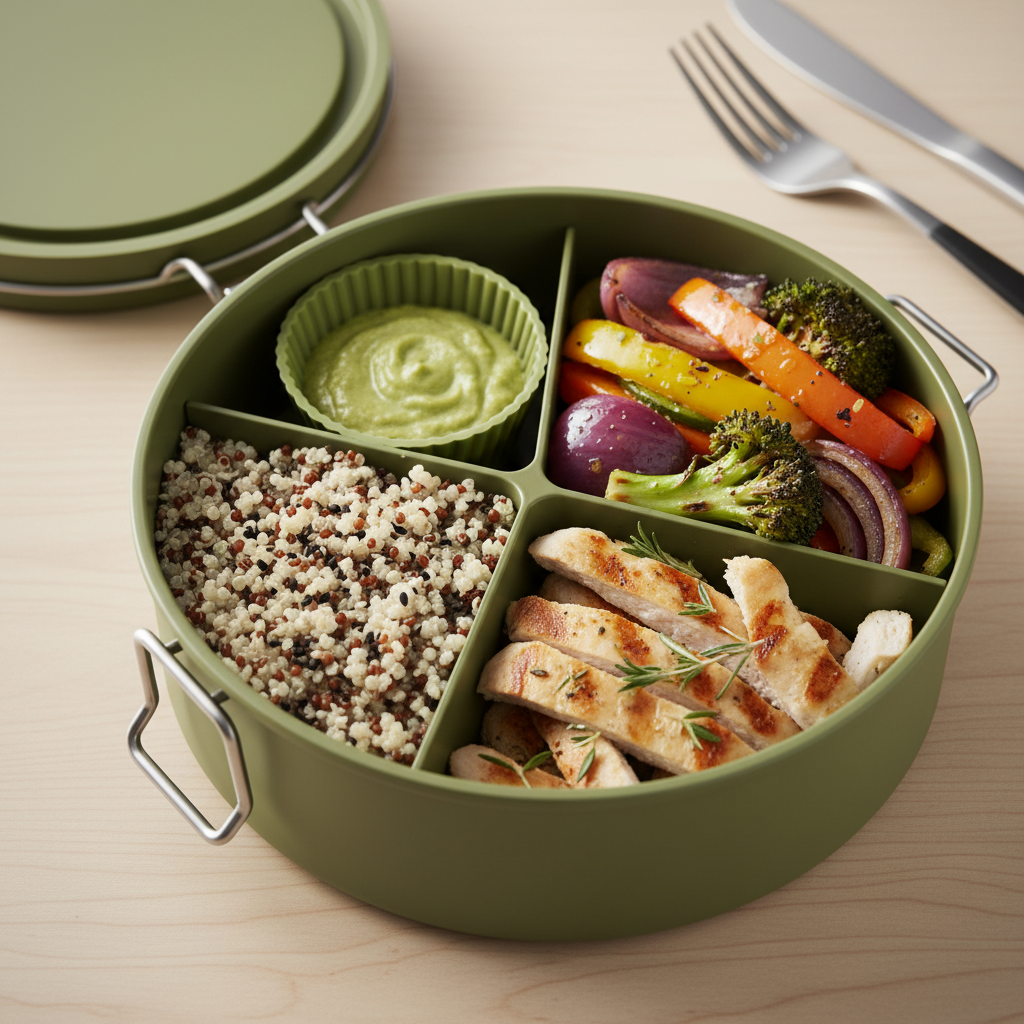
You’ve got the tools, you’ve got the strategies. But what happens when things get tricky? And how do we keep bento exciting long-term?
Common Picky Eater Pitfalls & Bento Solutions
- Texture Troubles: Some picky eaters are very sensitive to textures. Offer foods in different forms. If they don’t like raw carrots, try them roasted and slightly softened. If they dislike mushy pasta, try small, firmer shapes.
- “Mixed” Food Phobia: This is where those compartments are crucial. Always keep different food groups separate if that’s their preference.
- Temperature Sensitivity: Some kids prefer their food very cold, others lukewarm. Make sure you’re packing lunches at a temperature they prefer.
What’s the biggest texture or temperature challenge you’ve faced?
Freshness Hack for Sensitive Noses: Many picky eaters have an incredibly sharp sense of smell, and any lingering aroma from yesterday’s lunch can trigger an immediate refusal. To keep your bento box completely neutral-smelling, rinse it with cold water immediately after your child brings it home. This quick routine prevents strong odors and stains from clinging to the high-density surface, ensuring tomorrow’s fun theme smells only like fresh, inviting ingredients.
The Rotation Game: Keeping Bento Exciting Week After Week
Boredom can be a picky eater’s worst enemy. To keep things fresh:
- Weekly or Bi-Weekly Menus: Plan out your bento themes or main components for the week.
- Themed Bento Days: Have fun with it! “Animal Day” with animal-shaped foods, “Red Food Day” featuring strawberries, raspberries, and red peppers, or “Alphabet Day” with foods starting with a specific letter.
What kind of fun themes could you introduce?
Your Bento Journey: A Coach’s Encouragement
Remember, this is a journey, not a race to perfection. There will be days when the bento comes home untouched, and that’s okay. Celebrate the small victories – the one new bite taken, the food pick used, the willingness to help pack. The goal is to create a positive relationship with food, and bento is a fantastic tool to help you get there. You’ve got this!
Summary: Step-by-Step
- Start with the “Safe Zone”: Fill your bento box with your child’s absolute favorite foods to build immediate comfort and confidence.
- Gently Introduce New Foods: Use “gateway foods” by pairing new items with favorites or offering them in tiny, non-intimidating portions.
- Presentation is Key: Utilize cookie cutters, fun food picks, and colorful ingredients to make the food visually appealing and playful.
- Involve Your Child: Let them choose components from pre-approved options or help with the decorating – giving them ownership is a major hack.
- Utilize Compartments: Keep different foods separate to avoid mixing, which can be a deal-breaker for many picky eaters.
- Troubleshoot & Rotate: Address texture or temperature issues and keep the bento exciting by rotating foods and introducing fun themes weekly.
- Celebrate Small Wins: Focus on the progress and positive experiences, not perfection, as you embark on your bento journey.