Ever stared at a delicious, home-prepped meal, only to realize you’re miles from a kitchen and facing a cold lunch? It’s a universal struggle! We’ve got the trusty microwave, a kitchen staple, and then there are these innovative self-heating solutions promising warmth on the go. So, which one truly wins when it comes to getting your grub warm and ready? Let’s dive in.
Microwave vs. Self-Heating: Your Ultimate Food Warming Showdown
Hey there! Gergely here, your friendly neighborhood Bento Expert. If you’re anything like me, you love the convenience of meal prep or the artistry of a well-packed bento box. But the biggest challenge often isn’t the prepping; it’s the reheating. We’ve all been there, right? That moment of truth when hunger strikes and you’re faced with a cold meal. Today, we’re putting two of the most popular warming methods head-to-head: the classic microwave and the intriguing self-heating solutions. We’ll break down what makes each tick, where they shine, and where they might leave you wanting. Ready to find your perfect warm-up companion?
The Daily Dilemma
Imagine this: It’s noon. Your stomach is rumbling, and you pull out that perfectly portioned lunch you lovingly prepared yesterday. It looks amazing. But then, the reality hits – no kitchen, no microwave, just you and your potentially chilly meal. What’s your move? Do you settle for cold, or do you have a plan? This is where the battle of the warming methods really begins. We’ve got the tried-and-true microwave, a fixture in most kitchens and offices, and then there’s the newer kid on the block, the self-heating gadget. So, which one actually wins when it comes to getting your grub warm and ready?
What We’ll Cover
Let’s break it down, no fluff. We’ll dive into how each method stacks up in terms of practicality, how fast they get the job done, what it’s *actually* like to use them, and ultimately, which one might be your perfect match. We’ll look at the upsides and downsides, and how they fit into your meal prep and bento box lifestyle. Get ready to make an informed choice for your next warm meal!
The Microwave: Your Kitchen Workhorse
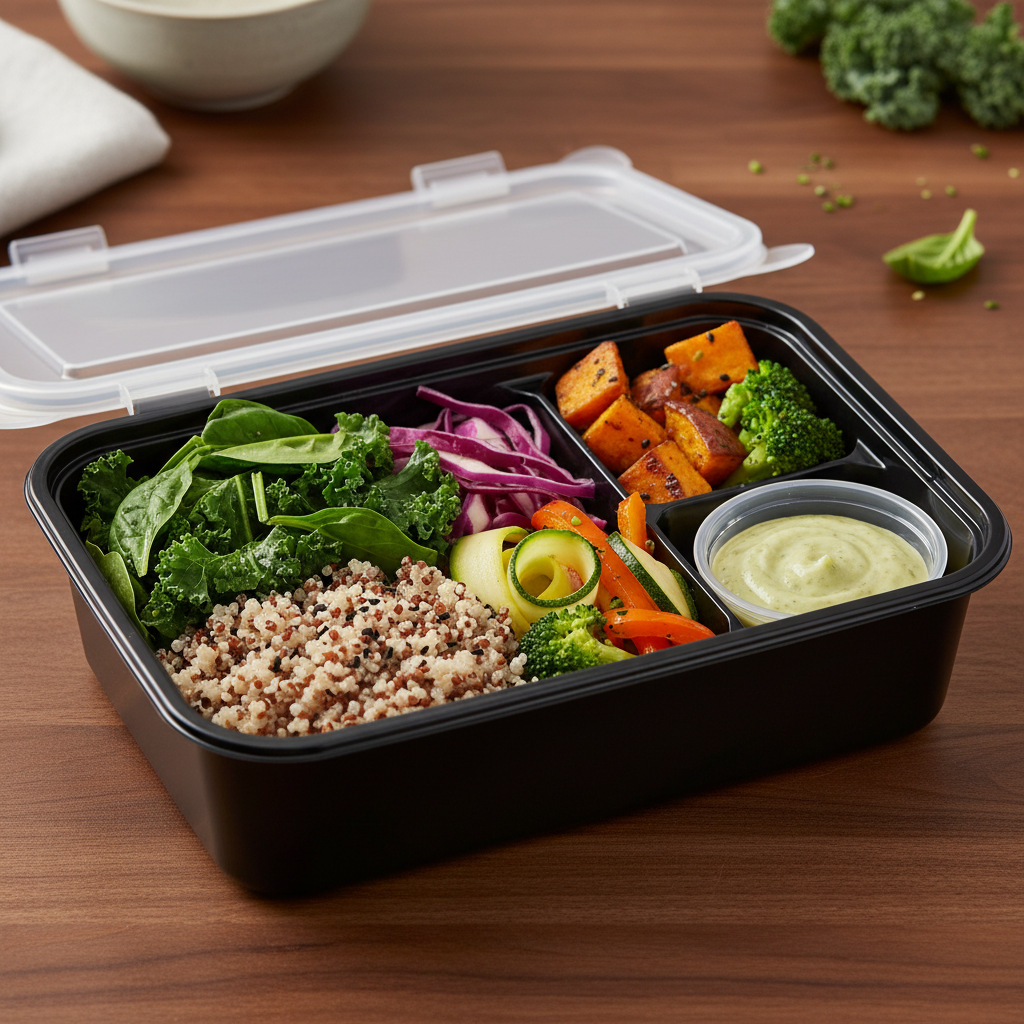
First up, the legend itself – the microwave. You probably have one humming away in your kitchen right now. It’s basically a magic box that uses waves to make the water in your food dance, generating heat. Pretty neat, huh?
How It Works
At its core, a microwave oven uses electromagnetic radiation, specifically microwaves, to heat food. These waves cause water molecules within the food to vibrate rapidly, generating heat through friction. This is why foods with higher water content tend to heat up faster. It’s a simple yet effective way to get your meal from cool to piping hot in a matter of minutes.
The Upsides: Why We Love It
Let’s be real, the microwave is fast. Like, ‘zap and go’ fast. Plus, they’re everywhere! You’d be hard-pressed to find an office or a kitchen *without* one. And over time, using it is super budget-friendly. It’s the reliable friend you can always count on. Did you know? A whopping 97% of US households had a microwave in 2022! That kind of accessibility is hard to beat.
- Speed & Efficiency: Most meals can be reheated in just a few minutes, making it perfect for quick lunches or dinners.
- Accessibility: Microwaves are a standard appliance in homes, offices, and many public spaces. If you’re looking for a warm meal, chances are a microwave is nearby.
- Cost-Effectiveness: While the initial appliance cost is an investment, the cost per use is very low. Running a microwave uses a relatively small amount of electricity for a short duration.
- Versatility: Microwaves can handle a wide range of food types and container sizes, making them adaptable to various meal preps and bento box components.
The Downsides: Where It Falls Short
But it’s not all sunshine and perfectly heated leftovers. You’re tethered to an outlet, and let’s be honest, we’ve all had those meals with lava-hot edges and an ice-cold center. And you *have* to be careful about what you put in there – not everything plays nice with microwaves.
- Power Dependency: You absolutely need electricity and a microwave oven to use this method. If you’re off the grid or in a power outage, your microwave is useless.
- Uneven Heating: The dreaded hot spots and cold spots are a common microwave phenomenon. This can lead to some parts of your meal being scalding while others remain cool. Hot and cold spots are common, but there’s a fix! Since our premium bento boxes are made from high-density materials, they distribute heat well if you microwave in short 1-2 minute bursts and give your food a quick stir in between. This simple habit eliminates the ‘ice-center’ problem and is much gentler on the food-grade material than one long, aggressive heating cycle.
- Material Restrictions: Not all containers are microwave-safe. Using the wrong materials can damage your food, your container, or even your microwave, and in some cases, leach harmful chemicals. Always look for that ‘microwave-safe’ symbol!
- Texture Changes: Some foods, especially those with high moisture content or delicate textures, can become rubbery, dry, or lose their crispness when reheated in a microwave.
- Nutrient Concerns: While generally safe, prolonged or improper microwaving *can* lead to some degradation of certain nutrients in food.
Microwave & Your Bento/Meal Prep
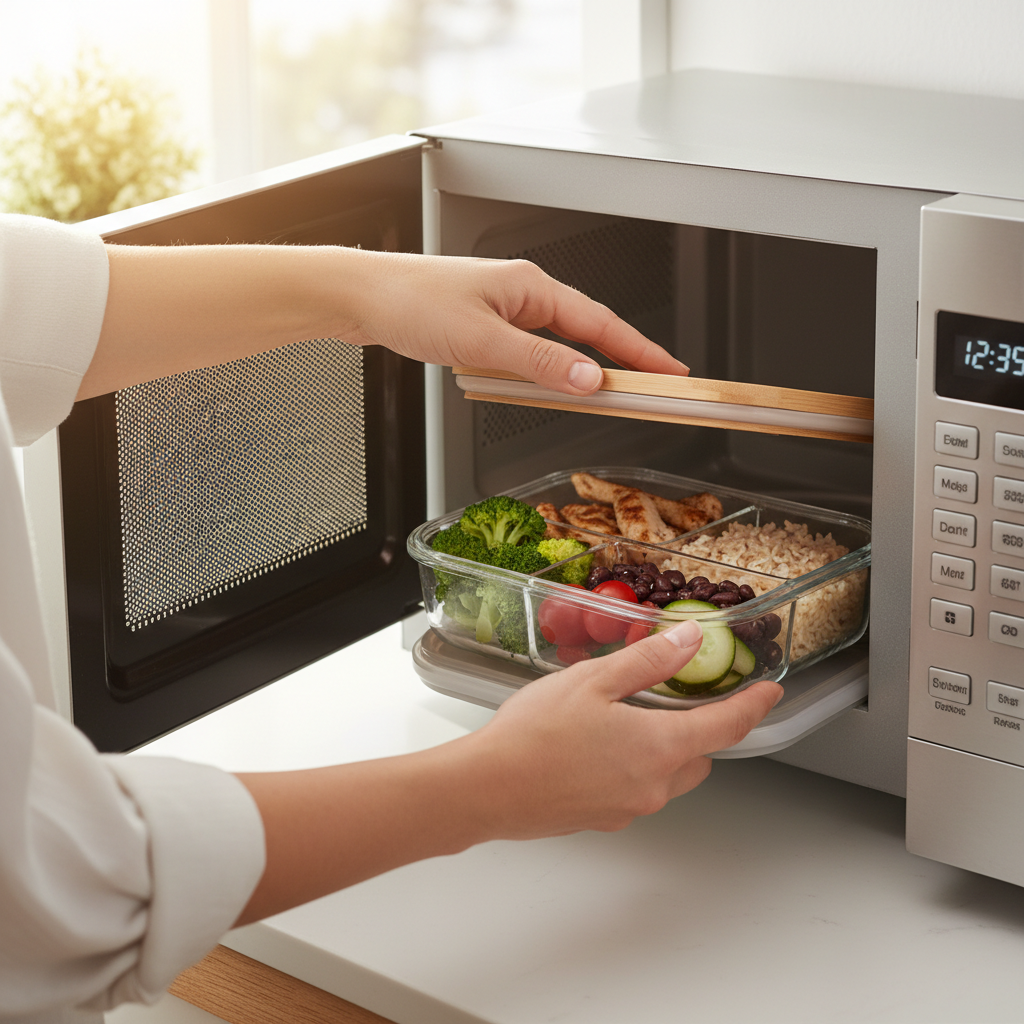
If you’re a meal prep guru or a bento box enthusiast, your microwave is probably your best friend for reheating. Just make sure your containers are up for the job – that’s where ‘microwave-safe’ comes in! Many modern bento boxes are specifically designed with this in mind, allowing you to heat your entire meal without transferring it. Many modern bento boxes are specifically designed for this, allowing you to heat your meal without transferring it. But here’s a pro-tip for your gear: To keep your bento in perfect, leak-resistant shape, always remove the lid and the internal dividers before microwaving. While the box itself loves the heat, the airtight seals and adjustable dividers are best kept on the side to ensure they stay perfectly functional for years. It’s all about smart choices for your healthy lunch.
The Self-Heating Solution: Heating On the Go
Now for the exciting newcomer: self-heating. Imagine this: a meal that heats itself up. No plugs, no outlets. It typically involves a special pack that, when activated (usually with a bit of water), creates a chemical reaction that warms your food. Pretty cool for those ‘off-the-grid’ moments, right?
How It Works
Self-heating technology usually relies on a chemical reaction that generates heat. The most common method involves a packet of water-activated exothermic material (like calcium oxide or magnesium). When you add water to this packet, it reacts and produces significant heat, which then warms the food compartment. It’s a contained, portable heating system.
The Upsides: When Convenience Reigns Supreme
This is where self-heating really shines. If you’re out hiking, on a long train journey, or just stuck at a desk with no microwave in sight, this is your golden ticket. It gives you that warm meal satisfaction no matter where you are. Some people even find the heating process more even than a microwave.
- Ultimate Portability: The biggest win here is independence from power sources. You can heat your meal virtually anywhere.
- Outdoor/Travel Friendly: Perfect for camping, picnics, road trips, or long commutes where kitchen facilities are unavailable.
- Consistent Heating (Potentially): When used correctly, the heating process can be more even, avoiding the hot and cold spots often found in microwave reheating.
The Downsides: The Trade-Offs
But, like anything new, there are trade-offs. Often, you’re looking at single-use heating elements, which isn’t the most eco-friendly. It can also be pricier per meal, and sometimes the heating process takes a bit longer. And you *definitely* want to read those instructions carefully to avoid any mishaps.
- Waste: Many self-heating solutions involve single-use heating elements, contributing to waste. While the market is evolving, this is a significant consideration for eco-conscious users.
- Cost Per Use: Generally, self-heating meals or components are more expensive than reheating with a microwave, especially if you’re consuming them regularly.
- Heating Time: The heating process can sometimes take longer than a microwave, and the duration can vary depending on the product and environmental conditions.
- Limited Capacity: These solutions are typically designed for individual portions and might not be suitable for reheating larger meals or multiple components of a complex bento.
- Safety Concerns: While designed to be safe, it’s crucial to follow the instructions precisely. Improper use could lead to burns or damage to the packaging.
Self-Heating & Your Bento/Meal Prep
For those of you who love to pack a bento or have your meal prep sorted, self-heating can be a game-changer for lunches. It means you can enjoy a warm, comforting meal even if your destination has zero kitchen facilities. Think of it as an upgrade for your on-the-go dining, ensuring your healthy lunch is always a pleasure, not a compromise.
Head-to-Head: The Verdict
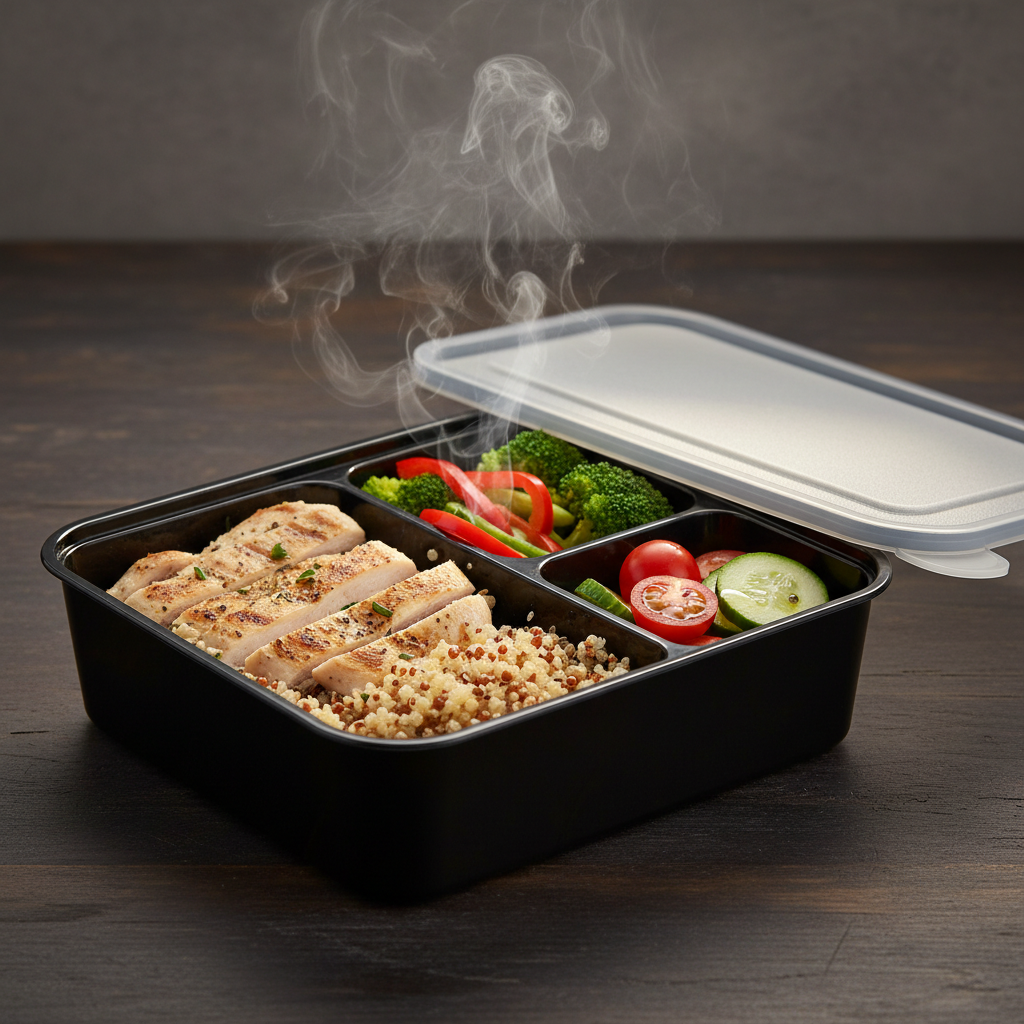
So, how do they really stack up when you need that warm meal?
Practicality & Convenience
If you’ve got a microwave handy, it’s the king of everyday convenience. But if you’re venturing out, exploring, or just don’t have access, self-heating is the undisputed champion of portability. It’s all about where you are and what you need.
Efficiency & Speed
For pure speed, the microwave usually takes the crown. Self-heating can be a bit more of a patient game. Do you need it *now*, or can you wait a few extra minutes for that portable warmth?
Cost & Environmental Impact
Long-term, microwaving is way more economical. Environmentally, it’s a bit of a mixed bag – one uses energy, the other often uses single-use components. Something to consider for your sustainable lifestyle!
User Experience
Microwaving is familiar territory, though we all know the texture pitfalls. Self-heating is an experience – a bit more hands-on, and definitely something you need to get the hang of. What kind of experience are you looking for with your meal?
Who Should Choose What?
So, the big question: which one is right for you?
The Microwave is For You If…
Are you a microwave person? If your daily routine involves easy access to a microwave, and you want fast, cheap, and reliable reheating, then yeah, your trusty microwave is probably still your go-to. No shame in that game!
- You primarily eat at home or in an office with a microwave.
- You value speed and cost-effectiveness for everyday reheating.
- You’re comfortable with the occasional texture change or can employ techniques to minimize it.
- You want to reheat multiple items or larger portions easily.
Self-Heating is For You If…
But what if your life looks more like an adventure? If you’re always out and about, camping, traveling, or just want that warm meal without being tied to a plug, then self-heating might just be your new best friend. It’s all about fitting your lifestyle.
- You’re frequently on the go, traveling, or in situations without power access.
- You prioritize the ability to heat food anywhere, anytime, for ultimate convenience.
- You’re willing to pay a bit more per use for that unparalleled portability.
- You’re looking for a novel way to enjoy a warm meal during outdoor activities or long journeys.
Conclusion: Your Warm Meal, Your Choice
So, we’ve seen it all. Microwaves are the everyday champions of speed and accessibility. Self-heating is the champion of independence and portability. They both have their place, don’t they?
Recap of Key Differences
Ultimately, the ‘better’ option isn’t a universal truth. It’s about *your* needs, *your* day, and *your* perfect warm meal. Do you need speed and ubiquity, or the freedom to heat anywhere?
Final Thoughts & Encouragement
So, next time you’re hungry, ask yourself: ‘What does my day need right now?’ Are you looking for speed and convenience at home, or are you seeking the freedom to eat warm, wherever life takes you? The choice, my friend, is yours! Consider your lifestyle, your budget, and your environmental impact. Both methods offer a way to enjoy a warm, satisfying meal, but they cater to different needs. Choose wisely, and enjoy!
Summary: Step-by-Step
- Assess Your Location: Do you have easy access to a microwave (home, office) or are you frequently in places without power?
- Consider Your Schedule: How important is speed? Microwaves are generally faster for immediate reheating.
- Evaluate Your Budget: For frequent meals, microwaving is significantly more cost-effective per use.
- Think About Portability Needs: If you’re often traveling, camping, or commuting without kitchen access, self-heating is invaluable.
- Factor in Environmental Impact: Consider the waste generated by single-use self-heating elements versus the energy consumption of a microwave.
- Check Container Compatibility: Ensure any containers you use are microwave-safe if opting for that method.
- Make Your Choice: Based on the above, decide if the everyday convenience of a microwave or the go-anywhere freedom of self-heating best suits your needs for that warm meal.