Ever stare at your perfectly packed bento lunch, only to wonder if those few minutes in the microwave are *really* enough to make it safe to eat? We’ve all been there, right? The “3-Minute Rule” for reheating bento boxes is a common shortcut, but does it actually hold up when it comes to your health? Let’s dive in and uncover the truth together.
Is the 3-Minute Rule a Myth? Safely Reheating Your Bento Lunch
As a bento enthusiast and someone who truly believes that what we eat impacts how we feel, I’ve spent a lot of time thinking about the best ways to enjoy our bento creations. And when it comes to reheating, convenience often clashes with caution. The idea of a simple, fixed time like “3 minutes” sounds incredibly appealing, doesn’t it? It’s easy to remember, easy to follow, and fits perfectly into our busy lives. But here’s the big question we need to ask ourselves: is this quick fix actually keeping us safe?
The Allure of the “3-Minute Rule”
Why We Love Simple Solutions
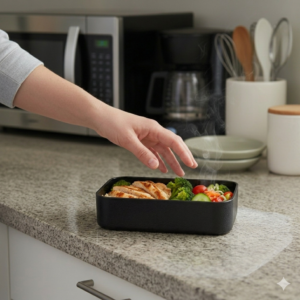
Let’s be honest, who doesn’t love a good shortcut? In a world that’s always moving at lightning speed, having a straightforward guideline like the “3-Minute Rule” feels like a breath of fresh air. It promises simplicity and efficiency, especially when you’re already juggling meal prep, work, and life. It’s the kind of rule that’s easy to pass on, easy to remember, and seems perfectly logical on the surface. It taps into our desire for quick, no-fuss solutions, especially when hunger strikes and we just want to eat.
What’s the Big Deal with Bento?
Bento boxes, with their beautiful compartments and often pre-prepped components, are a fantastic way to enjoy a balanced meal on the go. But because they’re designed for portability and often made ahead of time, reheating becomes a common step for many of us. Whether it’s last night’s delicious stir-fry or a carefully crafted rice dish, bringing our bento back to its ideal temperature is key to enjoying it fully. This is precisely where the “3-Minute Rule” often comes into play, promising a quick revival of our midday meal.
Unpacking the Science: Is 3 Minutes Enough?
The Reality Check: Why Time Isn’t the Whole Story
So, let’s get real. Is that magic “3 minutes” actually enough to ensure your bento is safe to eat? The truth is, a fixed time like this doesn’t account for a lot of crucial variables. Think about it:
- What kind of food are you reheating? Is it dense like a hearty meatball, or lighter like steamed broccoli?
- How powerful is your microwave? Does it have a super-speed setting, or is it a bit of a slowpoke?
- Are you reheating a tiny portion, or a whole compartment full?
- Was your bento straight from the fridge, or had it been sitting out for a bit?
- What is your bento box made of?
Our premium, high-density polymers are designed for even heat distribution, but they work best when you microwave in 1-2 minute intervals. Instead of one long 3-minute blast—which can create ‘hot spots’ and potentially damage the surface—heating in shorter bursts and stirring in between ensures your meal reaches that safe 165°F (74°C) without compromising the material.
These factors all play a significant role in how effectively and safely your food heats up. Relying on a single time frame ignores these important differences.
The Invisible Danger: Bacteria and Temperatures
Why is reheating even a concern? It all comes down to the invisible world of bacteria. Harmful microorganisms can grow in food if it’s not stored or reheated properly. The goal of reheating is to kill these potential threats. Health authorities, like the FDA, recommend that leftovers be reheated to an internal temperature of 165°F (74°C). This is the temperature at which most harmful bacteria are effectively destroyed. Now, can a simple 3 minutes consistently guarantee you reach this critical temperature *throughout* your food, especially in a compartmentalized bento? It’s highly unlikely. Foodborne illnesses are a real concern, and improper reheating plays a role. We want to avoid becoming a statistic, right? The CDC estimates millions fall ill each year from foodborne diseases – a number we can all help reduce with smarter reheating habits.
Beyond the Clock: Your Guide to Safe Bento Reheating
Your Bento Box Material Matters
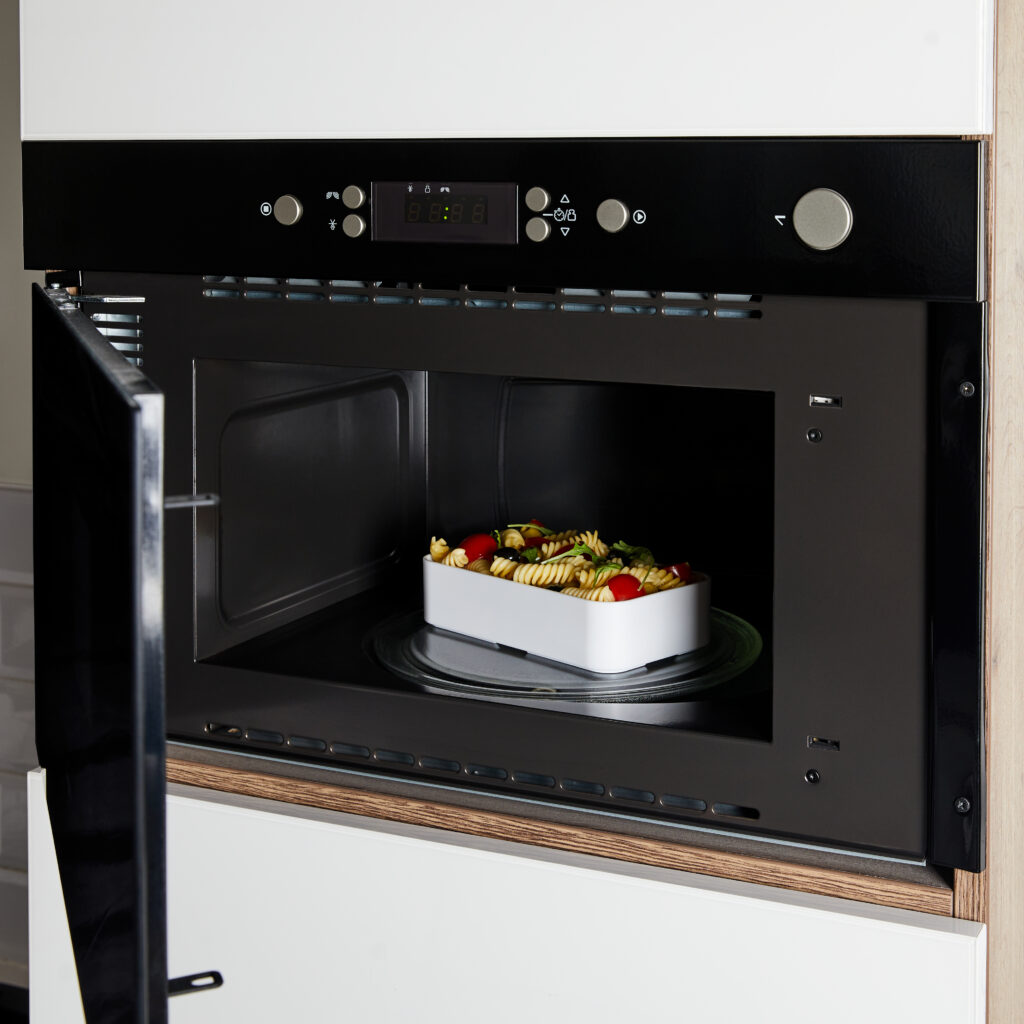
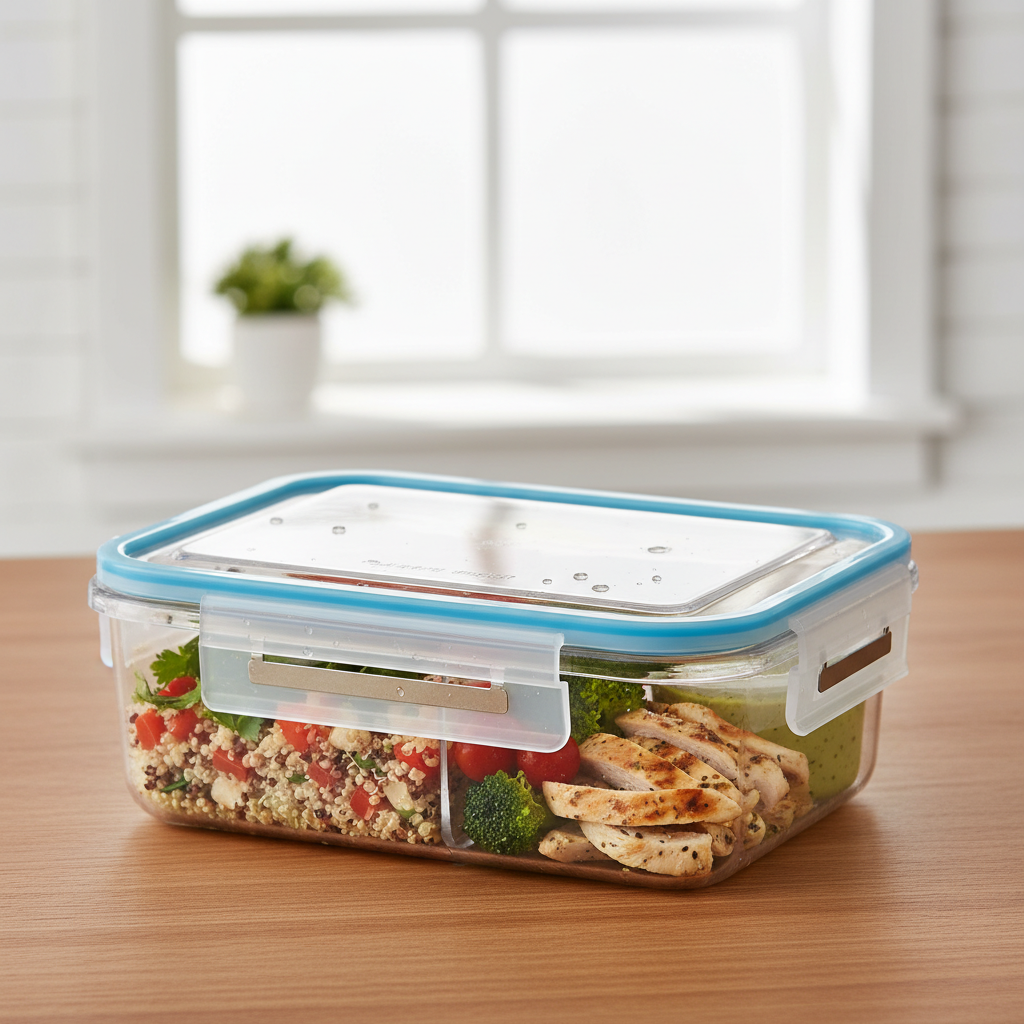
Before you even press “start” on your microwave, take a moment to consider your bento box itself. Is it truly microwave-safe? Have you checked the label? Not all containers are created equal, and using the wrong material can not only prevent proper reheating but also leach harmful chemicals into your food.Always opt for bento boxes explicitly labeled as microwave-safe and BPA-free. However, there is one golden rule for your gear: To maintain the precision seals and prevent warping, always remove the lid and the internal dividers before pressing start. While the box itself is heat-resistant, the airtight lids and adjustable dividers are designed to stay cool to keep your bento leak-resistant for years to come. This is a fundamental step in ensuring both the safety and integrity of your meal.
The Art of Even Reheating
Getting your bento warm all the way through is the goal, and sometimes it takes a little strategy. Think about how your food is arranged in those compartments. Does spreading it out a bit help it heat more evenly? It often does! And what if you gave your food a little stir or rotation halfway through the reheating process? Does that make a difference? Absolutely! This simple action helps to distribute the heat more uniformly, ensuring that those cooler spots get a chance to warm up. It’s about working smarter, not just longer.
What to Look For: Visual Cues
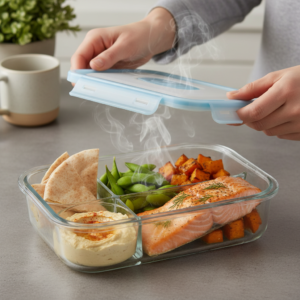
When you’re unsure if your food is hot enough, what are your go-to indicators? The most important visual cue is steam. Is your food visibly steaming all the way through? This is your most important signal that heat is penetrating. Since you’ve removed the lid (as every bento pro should!), the steam can escape freely, preventing any pressure buildup and ensuring your veggies don’t get soggy. If it’s steaming and you’ve given it a quick stir, you’re on the right track to a safe, delicious lunch.
Reheating Wisdom: Less is More (When in Doubt)
Why is reheating leftovers just once generally recommended? What happens if you reheat multiple times? Each time food is cooled and reheated, it passes through the “danger zone” (between 40°F and 140°F or 4°C and 60°C), where bacteria can multiply rapidly. Reheating multiple times increases this risk and can also degrade the texture and nutritional value of your food. So, if you’re unsure about whether your bento is safe, what’s the safest bet? A little extra time in the microwave, or taking a risk? It’s always better to err on the side of caution and ensure your meal is thoroughly heated.
TL;DR: Your Bento Reheating Cheat Sheet
Let’s break it down into easy-to-remember points:
- The “3-Minute Rule” is a myth; it doesn’t guarantee safety.
- Food safety depends on food type, microwave power, portion size, and starting temperature.
- Aim for food that is steaming hot throughout.
- Use only microwave-safe bento boxes.
- Distribute food evenly and stir halfway through reheating.
- Consider a food thermometer for critical foods (aim for 165°F/74°C).
- Reheat only once.
Summary: Step-by-Step
- Assess Your Food: Consider the type and density of the food you’re reheating.
- Check Your Bento Box: Ensure it’s clearly marked as microwave-safe.
- Arrange for Even Heating: Spread food out within compartments if possible.
- Reheat in Stages: Heat for a portion of time, then stir or rotate your food.
- Check for Steam: Look for visible steam throughout the food as a primary indicator.
- Temperature Check (Optional but Recommended): For meats, poultry, fish, or dairy, use a food thermometer to confirm an internal temperature of 165°F (74°C).
- Reheat Only Once: Avoid reheating food multiple times.
- When in Doubt, Heat Longer: It’s safer to reheat a bit longer than to risk underheating.