Ever stared at your perfectly packed lunch, wondering about the story behind that neat little box? You’re not alone! This isn’t just food in a container; it’s a tradition, an art, and a practical solution that’s traveled centuries to land on your desk. Let’s unpack the fascinating history of bento, from its humble beginnings in ancient Japan to becoming your go-to office meal.
As someone who truly appreciates a well-crafted lunch, I’m always digging into the ‘why’ behind our food habits. And bento? It’s got a story worth savoring. So, are you ready to embark on a journey through time? Let’s dive in!
Ancient Origins: When “Convenient” Met “Carry-able”
Imagine a time before refrigerators, before supermarkets, even before fancy lunch bags. How did people eat when they were out and about, whether it was a farmer in the fields or a traveler on a long trek? They packed their meals, of course! The very idea of portable food is ancient, but the specific concept we now know as bento has roots in Japan.
The Birth of “Bento”
The word “bento” itself is a fascinating clue to its origins. It comes from the Chinese term “biandang,” which means “convenient.” Think about it: what’s more convenient than a meal you can easily carry and eat anywhere? Early forms of this “convenient meal” in Japan involved simple, portable sustenance. During the Kamakura period (1185-1333), for instance, people relied on things like “ho-kago,” which was essentially dried, compressed rice. It was practical, packed with energy, and designed to last. Does this make you think about the simplest meals you’ve prepared for a day out?
Edo Period: Bento Takes Shape
Fast forward to the Edo period (1603-1868), and bento started to get a bit more refined. While still focused on practicality, the containers began to evolve. Lacquered wooden boxes, often beautifully crafted, became popular. These weren’t just containers; they were a statement. For those undertaking longer journeys, bento was a godsend, offering a satisfying and organized meal. Can you picture yourself opening up one of these early, ornate boxes on a journey centuries ago?
Meiji Era & Modernization: Bento on the Move
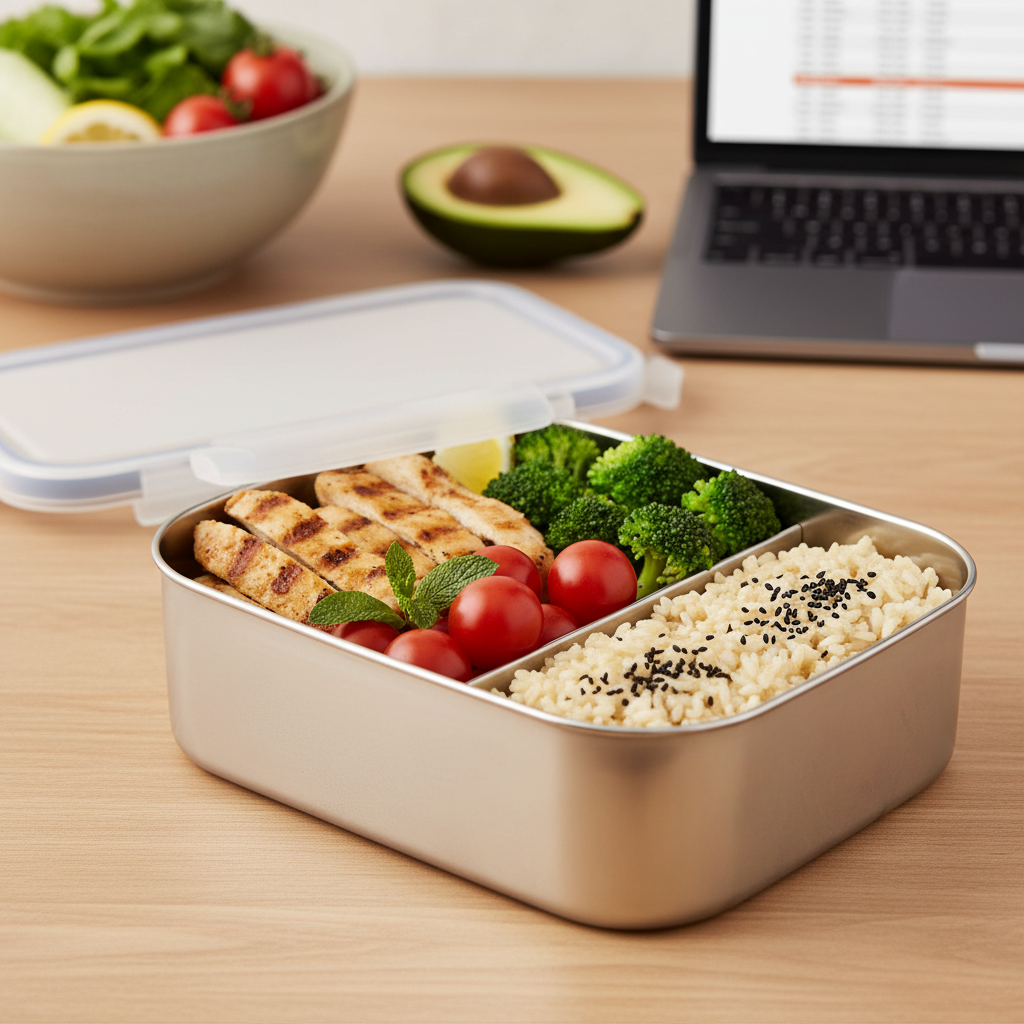
The Meiji Restoration in 1868 marked a period of immense change in Japan, and bento wasn’t left behind. This era saw increased modernization and, crucially, the rise of travel.
Railways and Regional Flavors: The Rise of Ekiben
With the advent of railways, travel became faster and more accessible. This created a perfect opportunity for bento to flourish. Enter “ekiben” – station bento! These bento boxes, sold at train stations, quickly became a highlight of any journey. What made them so special? Ekiben were designed to showcase the unique culinary specialties of different regions. It was a delicious way to experience Japan’s diverse flavors without leaving the train. Have you ever tried a regional specialty that instantly transported you somewhere? That’s the power of ekiben!
Bento Enters Everyday Life
Beyond travel, bento started making its way into the daily routines of Japanese people. It transitioned from being primarily “travel food” to becoming a common sight in schools and workplaces. This shift was facilitated by mass production and the availability of more affordable containers, making the convenience of a packed lunch accessible to more people than ever before. It makes you wonder, doesn’t it, how something so simple could become so ingrained in daily life?
Post-War Evolution: Art, Fun, and the “Kyara-ben” Craze
The decades following World War II presented new challenges, but bento continued to serve a vital role, and then, something truly colorful happened.
Bento as Practicality and Economy
In post-war Japan, resources were often scarce, and bento remained a crucial, economical solution for providing nourishing meals. It was about making the most of what was available, ensuring families and individuals had a substantial meal to get them through the day. This practical aspect of bento is something many still value today.
The Colorful World of “Kyara-ben”
Then came a trend that turned bento into an art form: “kyara-ben,” or character bento. This is where bento truly exploded with creativity! Kyara-ben involves meticulously decorating the food to resemble popular cartoon characters, cute animals, or even intricate designs. It transformed the humble lunchbox into a delightful surprise, especially for children. It’s not just about eating; it’s about presentation, fun, and a whole lot of love packed into each compartment. This trend also spurred the development of countless bento accessories – from tiny cookie cutters for vegetables to decorative picks. Does the idea of making your lunch a work of art spark your imagination?
The evolution of bento mirrors societal changes, from a simple packed meal for travelers to a canvas for culinary artistry and a symbol of mindful eating.
Bento Today: Your Office Lunchbox, Reimagined
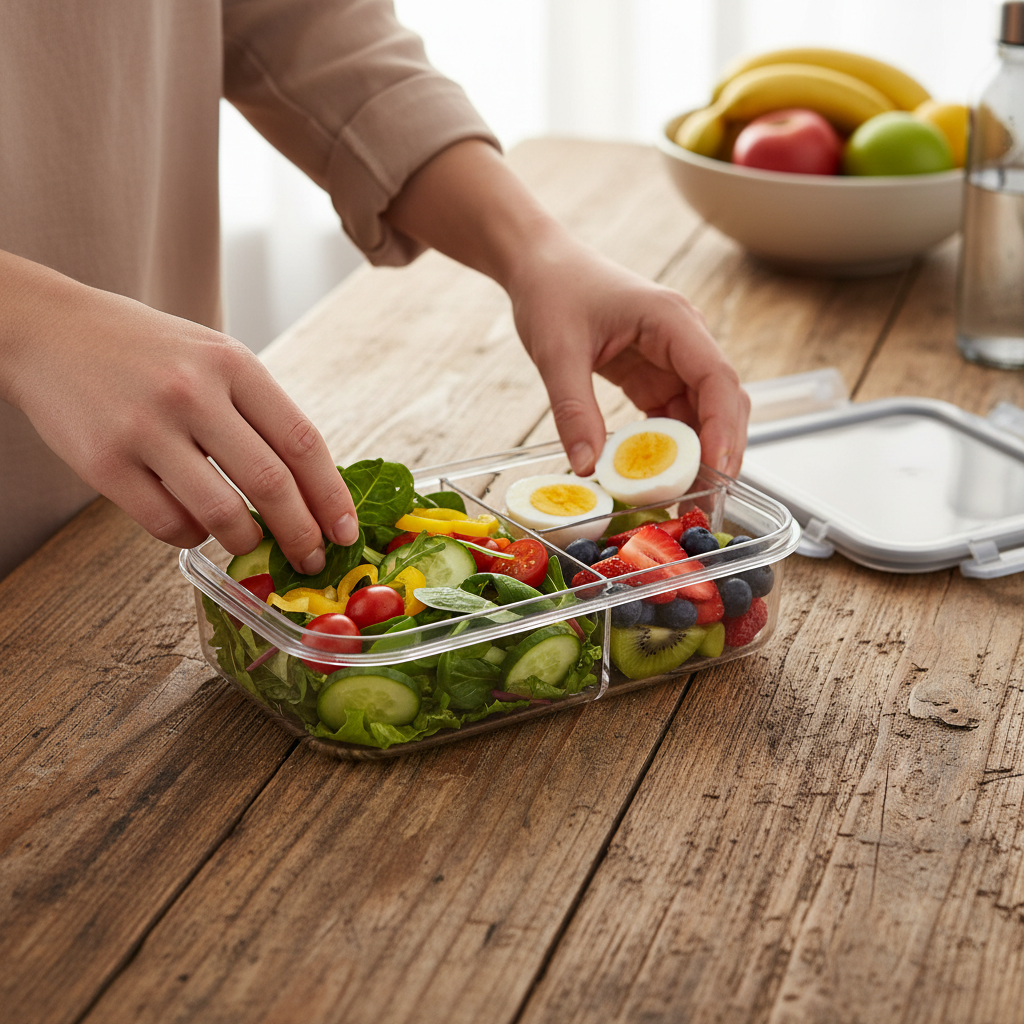
So, how did this journey from ancient Japan lead to the bento box sitting on your office desk right now? It’s a story of adaptation and global appeal.
From Japan to Your Desk: The Global Appeal
Bento has become incredibly popular for office lunches worldwide, and for good reason. What’s driving this global phenomenon for you? Is it the growing focus on healthy lunch options? Perhaps the cost-effectiveness of preparing your own meals compared to buying lunch every day? Or maybe it’s the satisfying feeling of mastering the art of meal prep? Bento ticks all these boxes and more.
Innovations for the Modern Professional
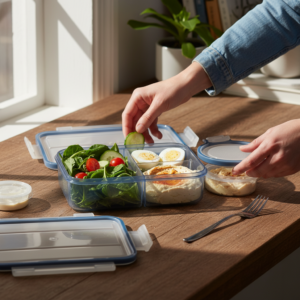
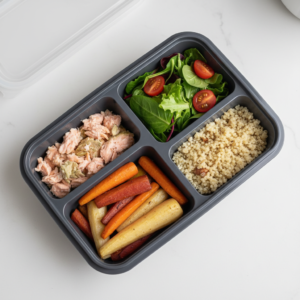
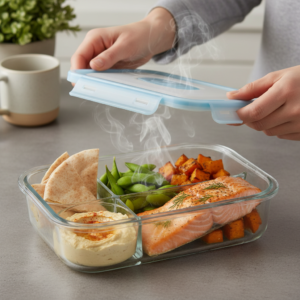
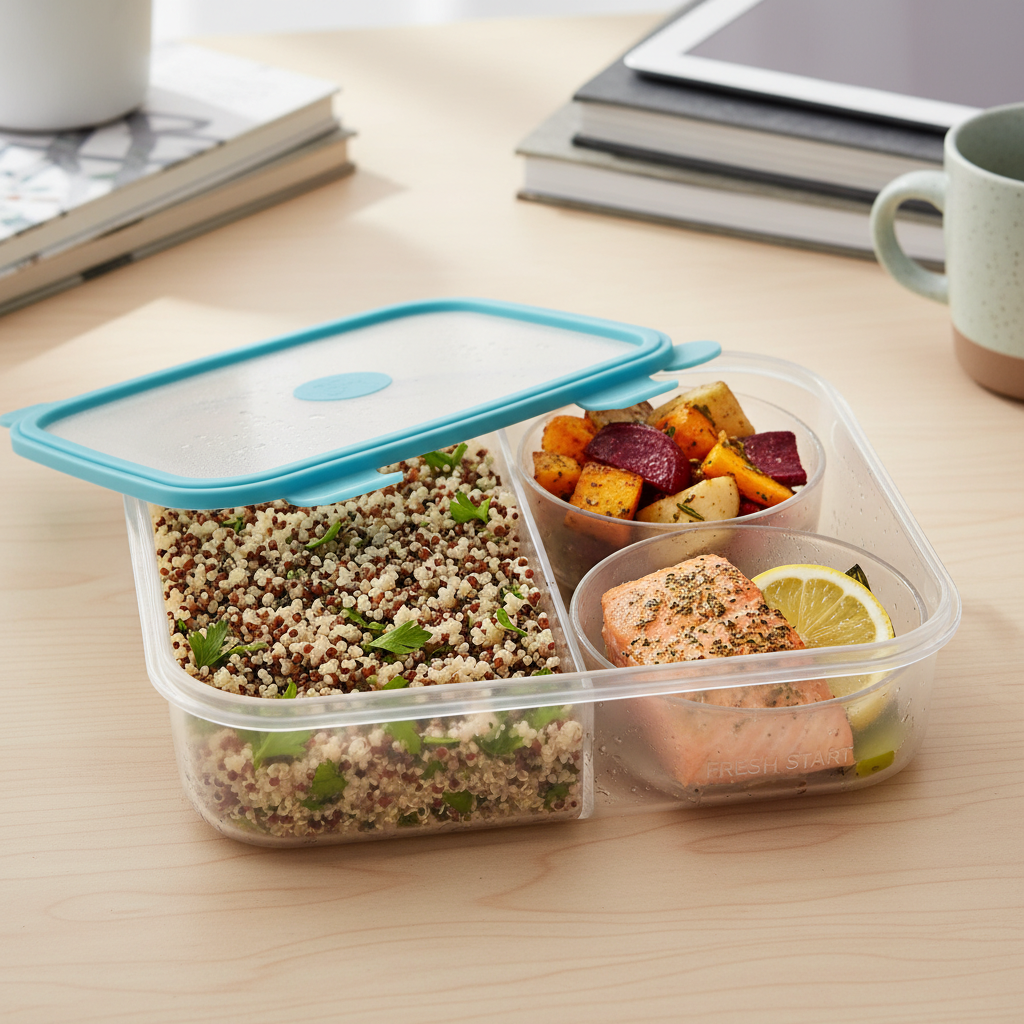
The bento boxes of today are a far cry from the simple pouches of the past, though they retain that essential practicality. Modern designs are incredibly smart. Think about features like leak-proof compartments that mean you can toss your bento in your bag without a second thought. Many are microwave-safe, perfect for warming up a hearty meal. And the compartmentalization? It’s genius! It keeps your salad separate from your rice, your fruit from your main dish, ensuring everything stays fresh and appealing. How have these modern innovations changed the way you approach your packed lunch? But here’s a modern pro-tip: While the exterior is completely leak-resistant, the internal dividers are not hermetic. To truly honor the traditional bento art of keeping flavors pure, always use a separate, screw-top sauce pod for thin vinaigrettes or soy sauce. This is the ultimate secret to keeping your salad crisp and your rice perfectly dry.
Bento as a Lifestyle Choice
More than just a lunchbox, bento has become a lifestyle choice for many. It encourages balanced nutrition and mindful portion control – you’re consciously deciding what goes into your box, aiming for a variety of colors, textures, and flavors. The internet, especially social media, has played a huge role in this, with countless blogs, videos, and forums dedicated to sharing bento ideas, recipes, and tips. It’s a vibrant community that inspires us to get creative. What’s your favorite part about preparing or enjoying your bento?
Summary: Step-by-Step
- Ancient Roots: Bento began as simple, portable meals for travelers and workers in ancient Japan, with the name derived from the Chinese word for “convenient.”
- Edo Period Refinement: Lacquered wooden boxes emerged, making bento more sophisticated for longer journeys.
- Meiji Era Expansion: The development of railways led to “ekiben” (station bento), showcasing regional foods and expanding bento’s role beyond travel.
- Post-War Practicality: Bento continued as an economical and essential meal solution.
- “Kyara-ben” Craze: The trend of character bento brought artistic creativity and fun to lunch preparation, inspiring many accessories.
- Modern Global Appeal: Today, bento is popular worldwide for office lunches, driven by health consciousness, cost-effectiveness, and meal prep trends.
- Innovative Designs: Modern bento boxes feature leak-proof, microwave-safe, and compartmentalized designs to suit busy lifestyles.
- Lifestyle Choice: Bento promotes balanced nutrition and portion control, boosted by online communities and resources.