Does the mere thought of a rogue pea mingling with a perfectly placed potato send your little one into a tailspin? You’re not alone. If mealtimes often feel like a battleground due to food aversions and sensory sensitivities, discover how a simple bento box might just be the peaceful solution you’ve been searching for. I’m Gergely, and as a co-founder and bento expert at Bento Heaven, I’ve seen firsthand how this ingenious tool can transform mealtime stress into moments of calm and connection.
More Than Just Picky: When Food Becomes a Sensory Minefield
It’s easy to dismiss a child’s strong food preferences as just being “picky.” But what if there’s a deeper reason why certain foods, or even the way they’re presented, cause such distress? Many children navigate the world with heightened sensory awareness, and this often extends to their food. For some, the textures, smells, and even the visual appearance of food can be overwhelming, leading to what feels like a full-blown panic at the dinner table.
The “Why” Behind the “Won’t”: Exploring Sensory Processing Differences
Think about how your own senses work. You feel the softness of a blanket, smell the rain, see vibrant colors, hear music. For children with sensory processing differences, these everyday sensations can be much more intense, or sometimes, less so. When it comes to food, this can manifest in various ways: a texture that feels “slimy” or “gritty” can be unbearable, a strong smell can be nauseating, and the sight of certain foods can trigger anxiety. Did you know that approximately 1 in 6 children aged 3-8 years experience a diagnosed mental, behavioral, or developmental disorder? And for many children, especially those on the autism spectrum, sensory sensitivities are incredibly common, with estimates showing 70-90% experiencing them. This isn’t a matter of willpower; it’s how their brains are wired to interpret the world.
The “Touch” Taboo: Why Food Mixing Can Be a Big Deal
You know that scenario: the rogue pea rolling into the mashed potatoes. For many children, this isn’t just a minor inconvenience; it’s a sensory overload. Feeding specialists often observe that the idea of different foods “contaminating” each other, even visually, can be genuinely distressing for these kids. The textures might blend in an unpleasant way, or the flavors might seem to merge into something unpalatable. It’s like expecting a calm, organized space and suddenly having it flooded with unexpected, overwhelming stimuli. Does this sound familiar in your household?
Beyond the Plate: The Emotional Toll of Mealtime Meltdowns
When mealtimes become a source of anxiety, it impacts everyone. For your child, there’s the constant worry about what’s on their plate and the potential for distress. For you, there’s the exhaustion of negotiation, the guilt of perceived failure, and the sheer stress of trying to ensure your child is getting adequate nutrition. How often do these battles leave you feeling drained and defeated, wondering if things will ever be peaceful?
Introducing the Bento Box: A Sanctuary for Sensitive Eaters
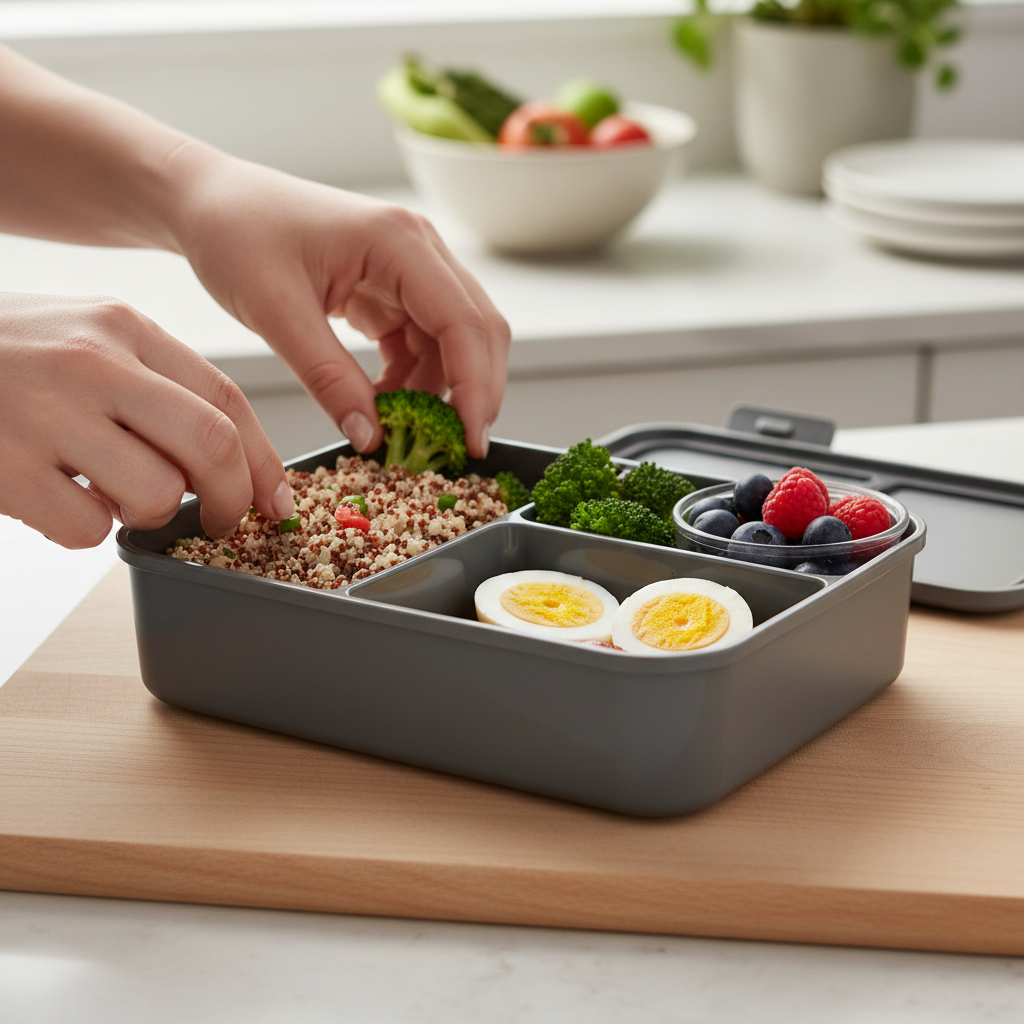
Now, imagine a simple, yet brilliant solution that can bring calm back to your table. Enter the bento box. This isn’t just a trendy lunchbox; it’s a thoughtfully designed tool that directly addresses the sensory challenges many children face with food.
What Exactly IS a Bento Box (and Why Does it Matter)?
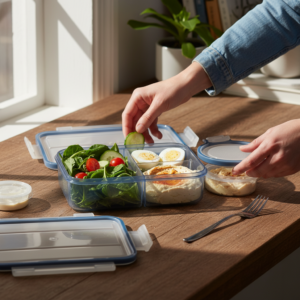
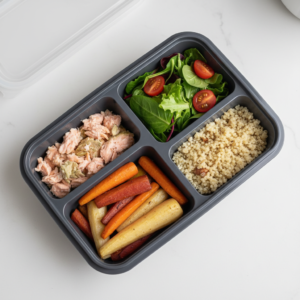
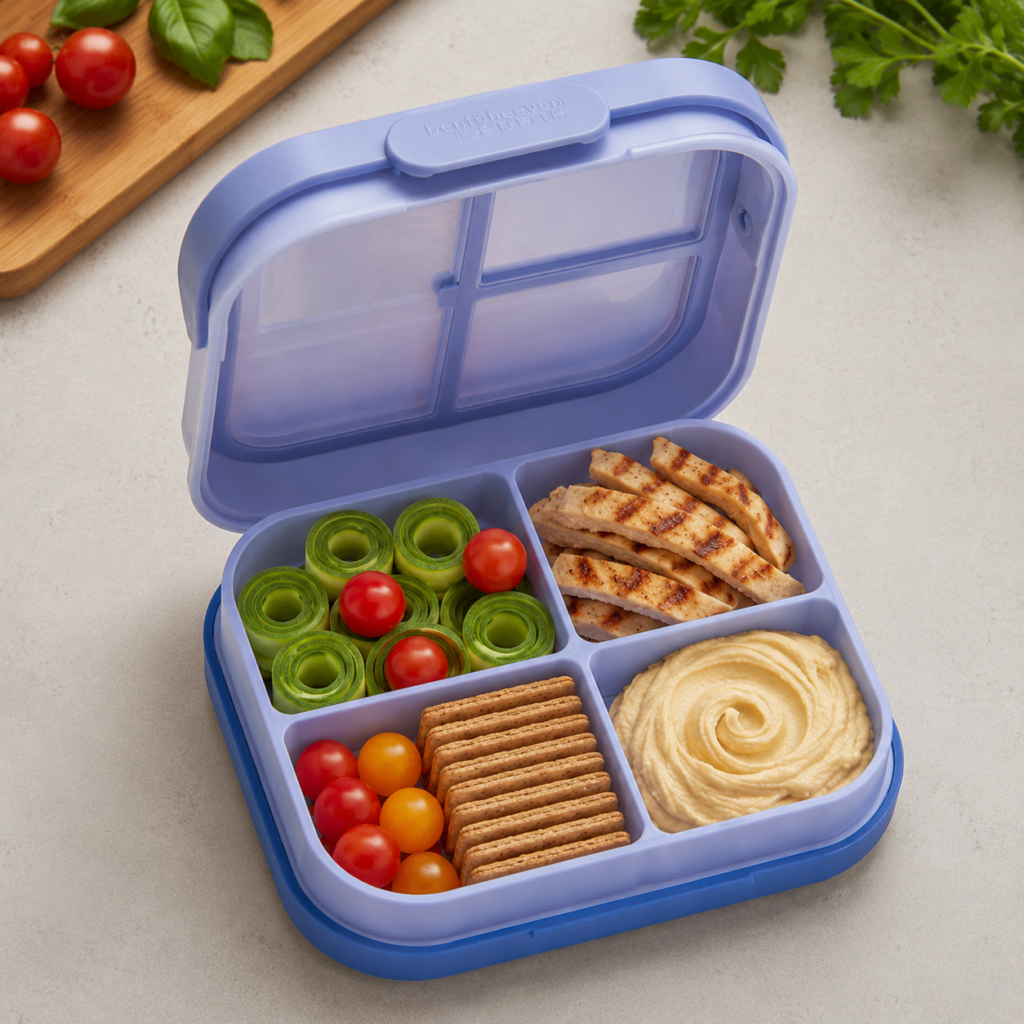
At its core, a bento box is a compartmentalized container, traditionally used in Japanese cuisine to present a balanced and visually appealing meal. But its real magic for us lies in its structure. Each compartment acts as a dedicated “zone” for different foods. This separation is key. Professionals like occupational therapists and feeding specialists actively recommend bento boxes precisely because they offer this visual and physical separation. It’s a practical, accessible tool that can make a significant difference in how a child interacts with their food.
The Power of Separation: How Compartments Create Calm
Remember the “peas touching potatoes” panic? A bento box eliminates this entirely. Each compartment keeps foods distinct, preventing any unwanted “mixing.” For a child with sensory sensitivities, this is incredibly reassuring. It provides a predictable and controlled eating environment. They know exactly what to expect in each section. Imagine a safe zone for each food item, free from unexpected flavor invasions or textural surprises they might find upsetting. This sense of control can significantly reduce anxiety and open the door for more positive eating experiences.
Beyond Separation: The Versatility of Bento
While separation is the primary benefit, bento boxes offer so much more. They encourage a variety of food groups to be included in a single meal. This can be a fantastic way to introduce different textures, colors, and tastes, all within their own designated space. It’s an invitation to explore, rather than a daunting pile of mixed ingredients. Plus, many modern bento boxes are designed with features like leak-proof compartments, ensuring that even moist foods like yogurt or dips stay separate and don’t “bleed” into other sections. This attention to detail is what makes them so effective.
Putting Bento into Practice: Tips for Success
So, you’re ready to give the bento box a try? That’s fantastic! The journey to calmer mealtimes is all about taking small, manageable steps. Here’s how to make it work for you and your child.
Choosing the Right Bento Box: What to Look For
The world of bento boxes can seem vast, but focusing on a few key features will help you find the perfect fit. Consider the number of compartments you need – some kids do well with just two or three, while others benefit from more. The size of the box should be appropriate for your child’s appetite. Material matters too; many are made from durable, child-friendly plastics or stainless steel. Crucially, look for boxes that are described as leak-proof. This feature is non-negotiable if you want to prevent those dreaded food-mixing scenarios, especially with wetter items. Some bento boxes are also microwave-safe, which can be a bonus if you plan to send warm lunches.
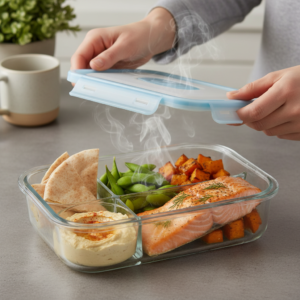
Our bento boxes are indeed microwave-safe, which is great for sensory eaters who prefer their safe foods warm. But to protect the precision-engineered seals for years, always follow the ‘Lids Off’ rule: Always remove the lid and the internal dividers before reheating. Extreme heat can warp the seals, and a warped lid is the last thing you want when trying to maintain a predictable, leak-resistant environment for your child.
The Art of Bento Packing: Small Steps, Big Wins
Don’t feel pressured to create elaborate, Instagram-worthy meals from day one. Start simple! Focus on separating just two or three familiar, safe foods. Perhaps it’s crackers in one section, fruit in another, and a favorite dip in a small silicone cup within a compartment. The goal is to introduce the concept of separation first. Involving your child in the packing process, even in small ways like letting them choose which fruit to include or place the crackers in their spot, can give them a sense of ownership and excitement. Remember, meal prep can be your secret weapon here! Spending a little time on the weekend chopping veggies or pre-portioning snacks can make packing the bento box in the morning a breeze.
Freshness Hack for Sensitive Noses: Some children are highly sensitive to lingering smells. To keep the bento box completely neutral-smelling, rinse it with cold water immediately after use. This prevents odors and stains from clinging to the surface, ensuring that tomorrow’s lunch smells only like the fresh ingredients you’ve carefully chosen.
Celebrating Small Victories (and What to Do When Things Don’t Go to Plan)
Every positive interaction with the bento box is a win! Did your child eat a food they usually avoid because it was separate? Did they finish their lunch without a fuss? Celebrate it! Positive reinforcement is incredibly powerful. It’s important to remember that this is a journey. There will be days when things don’t go perfectly, and that’s okay. Don’t let a setback derail your progress. Reflect on what might have been challenging and adjust for the next meal. What’s one small change you can try this week to make packing or eating from the bento box a little easier?
Reclaiming Mealtime Peace: Your Bento Journey Starts Now
If you’re tired of the mealtime stress, I hope this has shown you that there’s a practical, effective tool that can help. The bento box isn’t a magic wand, but it is a powerful ally in creating a more peaceful and enjoyable eating experience for children with sensory sensitivities. It’s about giving them control, reducing anxiety, and opening up possibilities for exploring food in a safe, structured way. Ready to give the bento box a try and see what a difference it can make? What are your biggest mealtime challenges? Share them in the comments below – let’s learn from each other!
Summary: Step-by-Step
Here’s how to approach using a bento box for your child:
- Understand the Need: Recognize that food aversions and meltdowns might stem from sensory processing differences, not just pickiness.
- Introduce the Bento Box: Choose a bento box with multiple, preferably leak-proof, compartments.
- Start Simple: Begin by separating just two or three familiar and accepted foods.
- Involve Your Child: Let them participate in choosing or packing their food to foster ownership.
- Embrace Meal Prep: Prepare components in advance to make daily packing easier.
- Focus on Separation: The core benefit is keeping foods distinct to reduce sensory overload.
- Celebrate Progress: Acknowledge and praise small victories to encourage continued positive engagement.
- Be Patient: Understand that this is a gradual process; setbacks are normal.