Ever packed a lunchbox full of vibrant, juicy grapes, only to have them come back untouched? Or maybe you’ve opened a bento box to find a melty, sad mess where a crisp apple slice used to be? It’s a common frustration for parents, but what if the secret to a happy, well-fed child at midday isn’t just what you pack, but how you keep it? As a fellow parent and bento enthusiast, I’ve been there. We’re going to dive into why this happens and, more importantly, how you can totally transform your child’s midday break with a smarter cooling strategy. We’ll explore the science behind food freshness, look at the best ways to keep things cool, and unlock the secrets to a perfectly crisp and appealing lunchbox.
The “Why” Behind the Warm Woes: What’s Happening in That Lunchbox?
Let’s get real for a second. What exactly is going on in that insulated bag that turns perfectly good fruit into something… less than appealing? It’s more than just a minor inconvenience; it’s about food safety and, frankly, taste. You’re packing nutritious, delicious food, so why isn’t it being enjoyed?
The Unseen Enemy: Temperature and Food Safety
You’ve probably heard it before, but it’s worth repeating: temperature is key. Food safety guidelines, like those from the FDA, consistently recommend keeping perishable foods at or below 40°F (4°C). Why? Because warmer temperatures are a breeding ground for bacteria. This isn’t just about preventing a tummy ache; it’s about maintaining the integrity of the food. When food sits in the “danger zone” – between 40°F and 140°F (4°C and 60°C) – spoilage accelerates dramatically. This means not only is it less safe, but the taste and texture degrade faster, making those juicy grapes or crisp apple slices far less enticing.
Beyond Taste: The “Soggy Factor”
And then there’s the dreaded sogginess. Have you noticed how fruits like grapes, berries, or melon can release moisture when they warm up? This isn’t just a little condensation; it can turn a perfectly firm grape into a mushy disappointment. It’s not just about the taste; it’s the texture that often triggers a “no, thank you” from kids. When their favorite crunchy apple slices become limp or their juicy berries turn into a watery mess, their appetite can quickly disappear. It’s a sensory experience, and warmth and moisture are rarely the stars of a happy lunch.
Rethinking Your Cooling Arsenal: Beyond the Basic Ice Pack
Okay, so we know *why* the food gets warm. Now, let’s talk about *how* we can fight back. Many of us rely on a standard ice pack, right? But have you ever felt like it’s just not cutting it? Let’s explore some more effective strategies to keep your child’s lunchbox cool and their food appealing.
The Limitations of Traditional Ice Packs
Let’s be honest, those blue gel packs have their place, but they often fall short. They can melt too quickly, especially on warmer days or if the lunchbox isn’t super insulated. Then you’re left with a lukewarm pack and warm food. Plus, they can create a lot of condensation, making the inside of the lunchbox damp and, you guessed it, contributing to that soggy factor. Sometimes they’re too bulky, or worse, they spring a leak, leaving a sticky mess. It feels like a one-size-fits-all solution that often just doesn’t fit.
Enter the Advanced Coolers: What to Look For
So, what’s the upgrade? Think about your lunchbox itself. A quality insulated lunch bag or box is your first line of defense. Look for options with thick, effective insulation. Consumer Reports often highlight how well these bags perform in keeping temperatures stable. Then, consider your ice packs. Instead of just one standard pack, what about a few smaller, more strategic ones? Gel packs are still great, but solid ice blocks can last longer. And here’s a pro-tip: a frozen water bottle! It keeps things cool, and as it thaws, your child has cold water to drink. The key is placement: don’t just plop it on top. Think about surrounding the food with cold sources.
Strategic Packing: How to Keep Everything Crisp and Cool
Having great cooling tools is one thing, but how you actually pack your bento box makes a massive difference. It’s about creating a mini-refrigerator environment within that lunchbox. Are you ready to become a lunchbox-packing ninja?
The Foundation: Choosing the Right Lunchbox & Containers
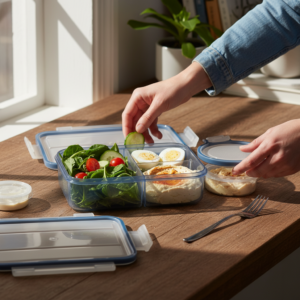
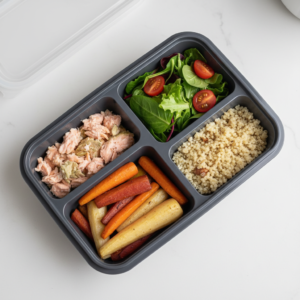
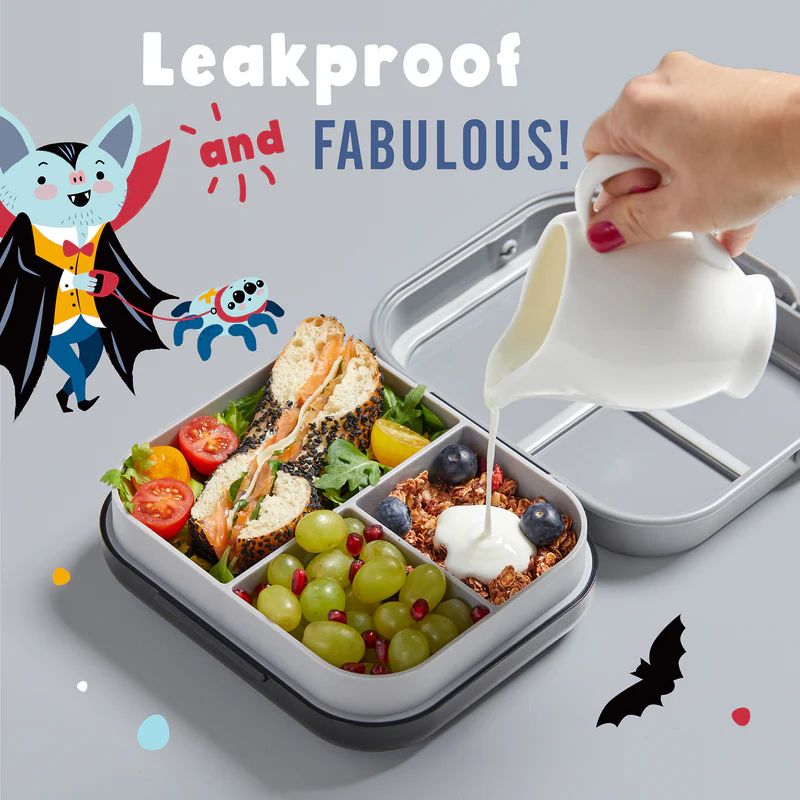
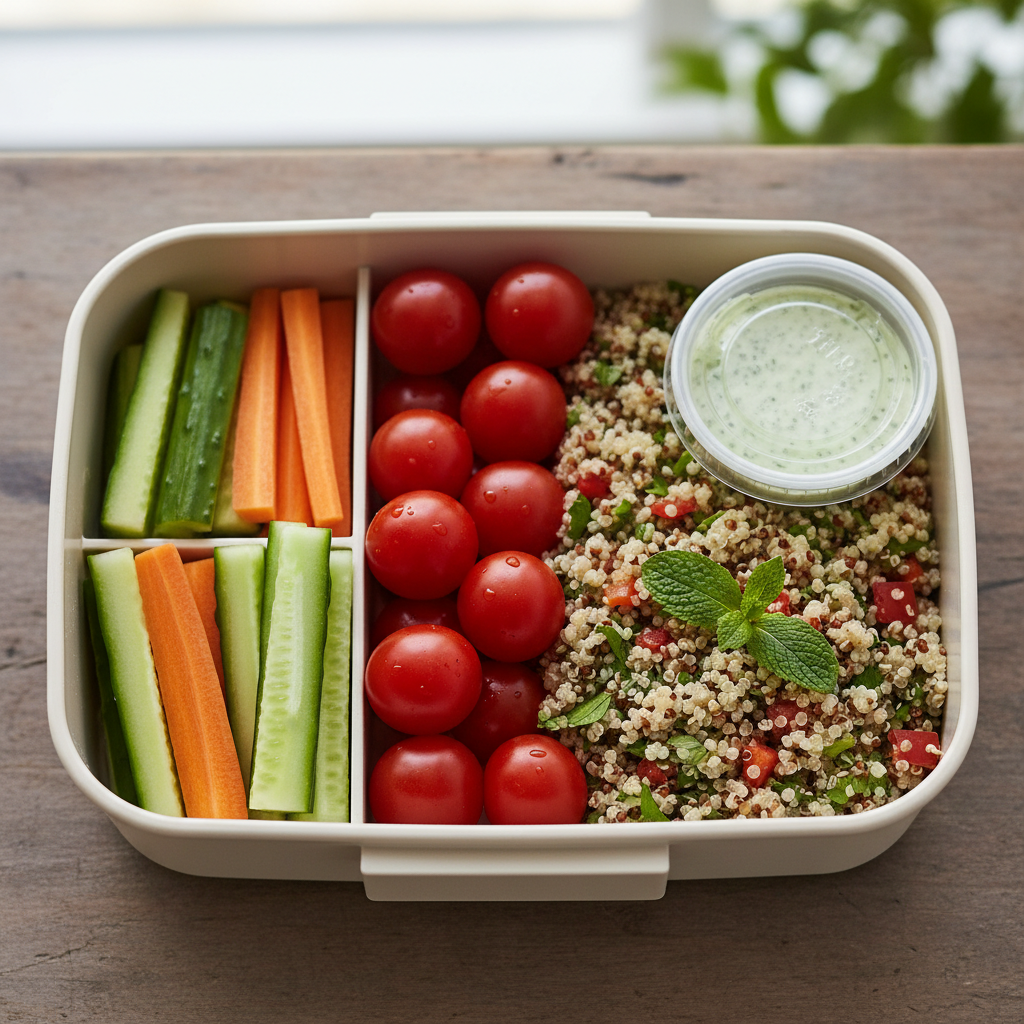
Before you even think about filling it, let’s talk about the vessel. For kids, especially with fruits that can release juice, leak-proof containers are non-negotiable. No one wants a soggy sandwich or juice-stained backpack! Bento boxes themselves are fantastic because their compartmentalized design is a game-changer. These separate compartments prevent flavors from mingling (no one wants their sweet berries tasting like last night’s pasta) and, crucially, they help keep textures distinct. Think about it: a crisp apple slice can stay crisp when it’s not swimming in the juice from melon chunks. While some containers might be microwave-safe for reheating other items, for keeping things cool, we’re focused on *insulation* and *containment*.
Prepping for Peak Freshness
This is where the magic happens. It starts the night before. Make sure all your perishable items, especially fruits, are thoroughly chilled in the refrigerator. But we can go even colder! Have you tried strategically freezing some fruits? Grapes, when frozen, turn into little sorbet-like delights as they thaw slightly. Berries and melon cubes can also be frozen. This is your “cold core” strategy. Pack these frozen items in the center or bottom of the lunchbox, then arrange the other food items around them. It’s like building a wall of cold! And a simple but effective step: patting your fruits dry before packing can help reduce excess moisture and condensation.
Fruit-Specific Strategies
Let’s get granular. For those beloved grapes? Freeze them! Seriously, it’s a game-changer for keeping things cool and adding a fun element. For berries, use sturdy containers and maybe a tiny paper towel at the bottom to absorb any extra moisture. Apple slices can brown quickly, so a little lemon juice treatment and packing them snugly can help maintain their crispness. And melon? Cut it into bite-sized chunks, keep it as cold as possible, and pack it tight.
The goal is to create a cool, dry environment where every item remains as fresh and appealing as when it left your kitchen.
Making Lunch a “Win” Every Time: The Benefits of a Cool Lunch
So, why go through all this effort? It’s about more than just packing food; it’s about ensuring your child has a positive and nourishing midday break. When you think about it, a significant percentage of parents pack lunches – around 60% in the US, for example, pack lunches at least a few times a week. That’s a lot of lunchboxes out there!
Happier Kids, Less Food Waste
When food is served at the right temperature and has a pleasant texture, kids are far more likely to eat it. A cool, crisp grape is much more appealing than a warm, mushy one. This directly translates to less food waste. When your child enjoys their lunch, they’re also getting the nutrition they need, aligning with principles like the Dietary Guidelines for Americans. It’s a win-win: a happy child and less food ending up in the bin.
Peace of Mind for Parents
Beyond the practical benefits, there’s the immense peace of mind that comes from knowing you’ve sent your child off with a lunch that is not only healthy and delicious but also safe and appealing. You’ve taken steps to ensure their food stays cool, preventing potential spoilage and making it something they’ll genuinely look forward to. It’s one less thing to worry about in a busy day.
Summary: Step-by-Step
- Assess Your Cooling Tools: Do you have a well-insulated lunch bag? Are your ice packs effective, or do they melt too quickly? Consider upgrading to higher-quality options.
- Embrace the Freezer: Prioritize chilling all perishable items overnight. For fruits like grapes, berries, or melon, freeze them completely or partially beforehand.
- Pack Strategically: Use leak-proof, compartmentalized containers. Place your coldest items (frozen fruit, ice packs, frozen water bottles) in the center of the lunchbox, surrounded by other food.
- Dry is Key: Pat fruits and other moist items dry before packing to minimize condensation.
- Fruit-Specific Tactics: Freeze grapes, use paper towels for berries, and pack apple slices tightly.
- Review and Adjust: Check what comes back uneaten. Was it the temperature? The texture? Use this feedback to refine your packing strategy for the next day.
So, are you ready to ditch the soggy snacks and embrace a cooler, crisper lunchbox experience for your child? What’s one cooling trick you’re going to try first this week? You’ve got this! Let’s make lunchtime something to look forward to.