Hey there, bento lover! Ready to unlock the secret to a lunch that’s not just delicious, but perfectly suited to *your* life? The material of your bento box might just be the unsung hero of your meal prep journey, influencing everything from taste to durability. Let’s dive in and decode the options so you can find your ultimate lunch companion.
Hey There, Bento Lover! Ready to Find Your Perfect Lunch Companion?
The Bento Box Revolution: More Than Just a Lunchbox
It’s amazing how far we’ve come, isn’t it? Bento boxes have transformed from a niche concept to a mainstream movement for anyone looking to eat healthier, more organized, and frankly, more joyfully. As a co-founder here at Bento Heaven, my passion for these versatile containers runs deep, and I’ve seen firsthand how they can revolutionize your daily meals. They’re not just boxes; they’re portals to mindful eating and fantastic food presentation.
Why Material Matters: Your Lunch’s Foundation
Ever looked at your bento box and wondered why it feels so different from your friend’s? That’s the magic – or sometimes the mystery – of the material. It’s the foundation of your entire bento experience. The material you choose impacts how your food stays fresh, how it reheats (or doesn’t!), its durability for your daily commute, and even how your vibrant salads or savory stir-fries taste. So, have you ever stopped to think about what your bento box is actually made of and what that means for your lunch?
What We’re Diving Into Today…
Today, we’re going to unpack the most common bento box materials you’ll encounter. We’ll break down what makes each one tick, explore their strengths and weaknesses, and most importantly, help you figure out which one is the perfect fit for *your* unique needs and lifestyle. Get ready to become a bento box material expert!
Let’s Break Down the Options: Your Bento Box Material Rundown
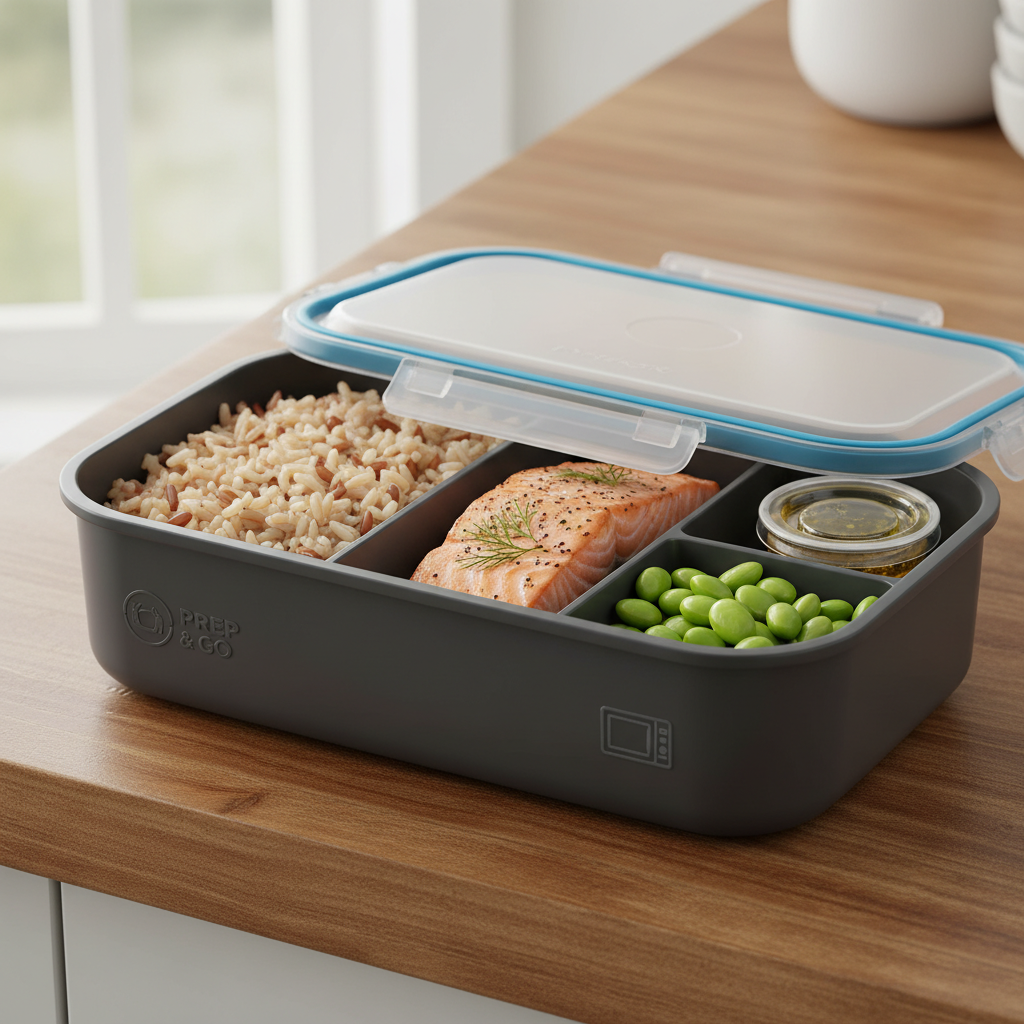
Choosing the right bento box material is like choosing the right foundation for a house – it needs to be sturdy, safe, and suitable for its purpose. Let’s take a closer look at the stars of the show.
Plastic (BPA-Free): The Everyday Champion?
Ah, plastic. It’s everywhere, right? And for good reason. Plastic bento boxes are often the most accessible and budget-friendly option. But here’s the crucial part: we’re talking *BPA-free* plastic. Bisphenol A (BPA) is a chemical that has raised health concerns, so always look for that “BPA-free” label. It’s a small detail that makes a big difference for your well-being. These boxes are usually lightweight, making them super easy to carry. Plus, many are designed to be microwave-safe and dishwasher-safe, which is a huge win for busy schedules.
- Pros: Lightweight, durable for everyday knocks, very budget-friendly, often microwave and dishwasher-safe, available in countless colors and designs.
- Cons: Can sometimes stain or retain strong odors over time (think curry or garlic!), and while reusable plastic is far better than single-use, its long-term environmental footprint is a consideration.
For You: If you’re prioritizing convenience, a lighter load in your bag, and the ability to easily reheat your lunch at work, plastic might be your go-to. But, are you mindful of how certain foods might affect its appearance and smell over time? Do you check for that “BPA-free” stamp every time?
Stainless Steel: The Sleek, Indestructible Workhorse
When you think of durability and a premium feel, stainless steel often comes to mind. These bento boxes are built to last, seriously. They’re incredibly hygienic because the material is non-porous, meaning no lingering odors or stubborn stains will ever take up residence. This makes them a fantastic choice for keeping your food tasting exactly as it should, from the first bite to the last. They often have a sleek, modern look too, which is always a bonus!
- Pros: Extremely durable and plastic-free.
- Cons: Heavy to carry, noisy in your bag, and NOT microwave-safe. You’ll have to transfer your food to a separate bowl every time you want a warm meal.
For You: If you strictly eat cold lunches and don’t mind the extra weight in your commute, it’s a solid choice. However, for a modern, flexible lifestyle where a warm meal is a must, you’ll likely find it inconvenient and limiting.
Glass: The Pure & Pristine Choice
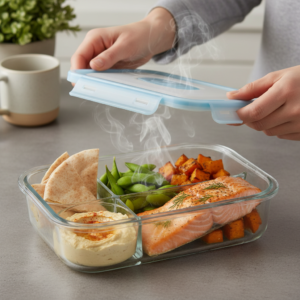
If purity and a pristine taste experience are at the top of your list, glass bento boxes might just be your perfect match. Because glass is chemically inert, it won’t interact with your food, ensuring zero flavor transfer. That means your delicate fruit salad won’t taste like last night’s chili. They look beautiful, too, allowing you to see all the colorful components of your meal. Plus, they’re microwave-safe (just remember to take the lid off!) and dishwasher-safe.
- Pros: Transparent and easy to clean for home storage.
- Cons: Fragile and very heavy. A single drop on a commute can be a disaster. It also doesn’t retain heat as well as high-density polymers.
For You: Best for home use or stationary office workers. But if your life involves commuting, gym bags, or travel, the weight and breakage risk make it a burden rather than a companion. Our high-grade, BPA-free polymers offer the same “pristine taste” without the fear of shattered glass.
Bamboo & Wood: The Natural Touch (With Caveats!)
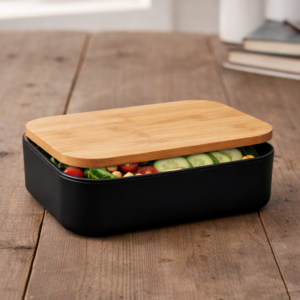
There’s something undeniably appealing about the natural aesthetic of bamboo and wood. You’ll often find these materials used for lids or as decorative elements on bento boxes. They bring a touch of nature and sustainability to your lunch setup. However, it’s important to know that these materials can be porous. This means they might absorb stains and odors over time, and they generally require hand-washing and thorough drying to prevent warping.
- Pros: Beautiful, natural, and sustainable aesthetic, lightweight (especially for lids).
- Cons: Porous nature can lead to stains and odor retention, typically require hand-washing only, not microwave-safe, can warp with excessive moisture.
For You: Do you really appreciate that natural, earthy vibe in your lunch gear? Bamboo and wood are gorgeous for lids or accent pieces. But are you prepared for the extra care they require, like hand-washing and careful drying, to keep them looking their best?
Silicone: The Flexible, Functional Friend
Silicone bento boxes are the chameleons of the bento world. They’re incredibly flexible, often collapsible for easy storage, and fantastic for preventing leaks. Food-grade silicone is generally considered safe for food contact and is both microwave and dishwasher-safe. Their adaptability makes them a top choice for people on the go who need a lunchbox that can handle a bit of everything.
- Pros: Flexible and durable, often collapsible for easy storage, microwave and dishwasher-safe, excellent for leak prevention, resists stains and odors well.
- Cons: Some high-quality silicone can sometimes have a very faint smell initially (which usually fades), and they can attract lint and dust.
For You: Do you need a bento box that can adapt to your needs, maybe pack down small when empty, and seal tight to prevent any lunchtime disasters? Silicone is a strong contender. Does the potential for attracting a bit of lint bother you, or is the flexibility and functionality a bigger win?
So, You’ve Met the Materials… Now What?
Now that you’ve met the contenders, it’s time to think about how these materials translate into your everyday life. It’s not just about the material itself, but how it performs in the real world.
Leak-Proof Power: Taming the Lunchtime Spill
Let’s be honest, a leaky bento box can ruin your day (and your bag!). This is where the design and material work hand-in-hand. Rigid materials like stainless steel and glass can often support tighter, more effective seals. Silicone’s flexibility also lends itself well to creating a good seal. Think about your commute – are you walking, biking, or taking public transport? Do you often pack soups, dressings, or saucy dishes?
Ask Yourself: How often are you carrying liquids or saucy foods? Is a 100% leak-proof guarantee an absolute must-have for you, or are you okay with packing liquids separately?
Microwave Magic (or Not!): Reheating Made Easy
This is a big one for many of us. Do you rely on a microwave at work or on the go to warm up your meals? If so, your material choice is critical. As we’ve discussed, plastics (BPA-free), glass (without the lid), and silicone are your friends here. Stainless steel, however, is a definite no-go for microwaving. Consider your typical workday or where you usually eat your packed lunch.
Ask Yourself: Do you plan to reheat your lunches at work or on the go? Or do you prefer cold meals most of the time?
Fueling a Healthy Lifestyle: Your Bento’s Role
Beyond just carrying your food, your bento box is a tool for a healthier lifestyle. The very nature of a bento box encourages portion control and the inclusion of a balanced variety of foods. Choosing inert materials like glass or stainless steel ensures that your food remains pure and free from any unwanted chemical leaching, which is a significant aspect of healthy eating. Plus, by choosing a reusable bento box, you’re making a conscious choice to reduce waste and contribute to a more sustainable planet. It’s a win-win for you and the environment!
Ask Yourself: How can your bento box actively support your wellness goals and your commitment to reducing waste?
Ready to Choose Your Bento Buddy?
Recap: What Did We Learn?
We’ve explored the world of bento box materials, from the everyday versatility of BPA-free plastic and flexible silicone to the robust durability of stainless steel and the pure integrity of glass. We’ve also touched on the natural charm of bamboo and wood. Each has its unique strengths, making it suitable for different lifestyles and preferences.
Your Personal Bento Blueprint
Now, it’s time for you to become the architect of your perfect bento experience. Take a moment to reflect on your daily routine and your personal priorities. Consider:
- Your Commute: How do you travel? Are you navigating crowded trains, biking, or driving? This impacts how much weight and how much protection you need.
- Your Reheating Habits: Do you microwave daily, or do you prefer cold meals?
- Your Budget: Are you looking for an initial investment or a more budget-friendly option?
- Your Aesthetic: What look and feel do you prefer for your lunch gear?
- Your Commitment to Sustainability: How important are eco-friendly materials and longevity to you?
There’s no single “best” bento box material; there’s only the best material *for you*. By understanding these options and considering your own needs, you’re well on your way to finding a lunch companion that will serve you deliciously for years to come.
Gergely’s Final Thought: It’s About *Your* Perfect Meal Experience.
Remember, the goal is to make your meal prep and lunch experience as enjoyable and practical as possible. Your bento box should work *for* you, fitting seamlessly into your life and supporting your healthy habits. So, what material is calling to you?
Summary: Step-by-Step
Ready to make your choice? Here’s a quick rundown to guide you:
- Assess Your Needs: Think about your daily commute, reheating habits, and what kinds of foods you typically pack.
- Consider Durability & Portability: If you’re rough on your gear or have a long commute, opt for robust materials like stainless steel or high-quality silicone. For lighter needs, plastic or glass might suffice.
- Microwave or Not?: If reheating is key, choose BPA-free plastic, glass (lid off), or silicone. If you always eat cold or have alternative reheating options, stainless steel is a great choice.
- Taste & Health: For the purest taste and minimal chemical interaction, stainless steel and glass are top-tier. BPA-free plastics and silicone are also safe and effective when properly chosen.
- Budget & Longevity: Plastic is often the most budget-friendly upfront. Stainless steel and high-quality silicone represent a greater long-term investment.
- Final Decision: Based on your priorities, select the material that best aligns with your lifestyle, ensuring your bento box becomes your favorite lunch companion.