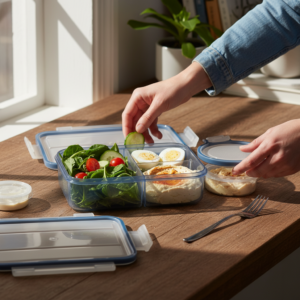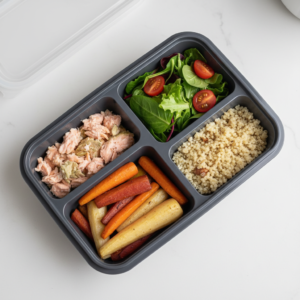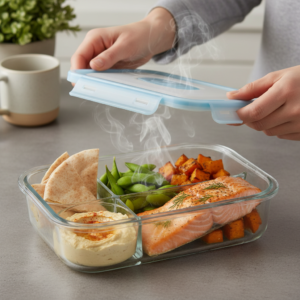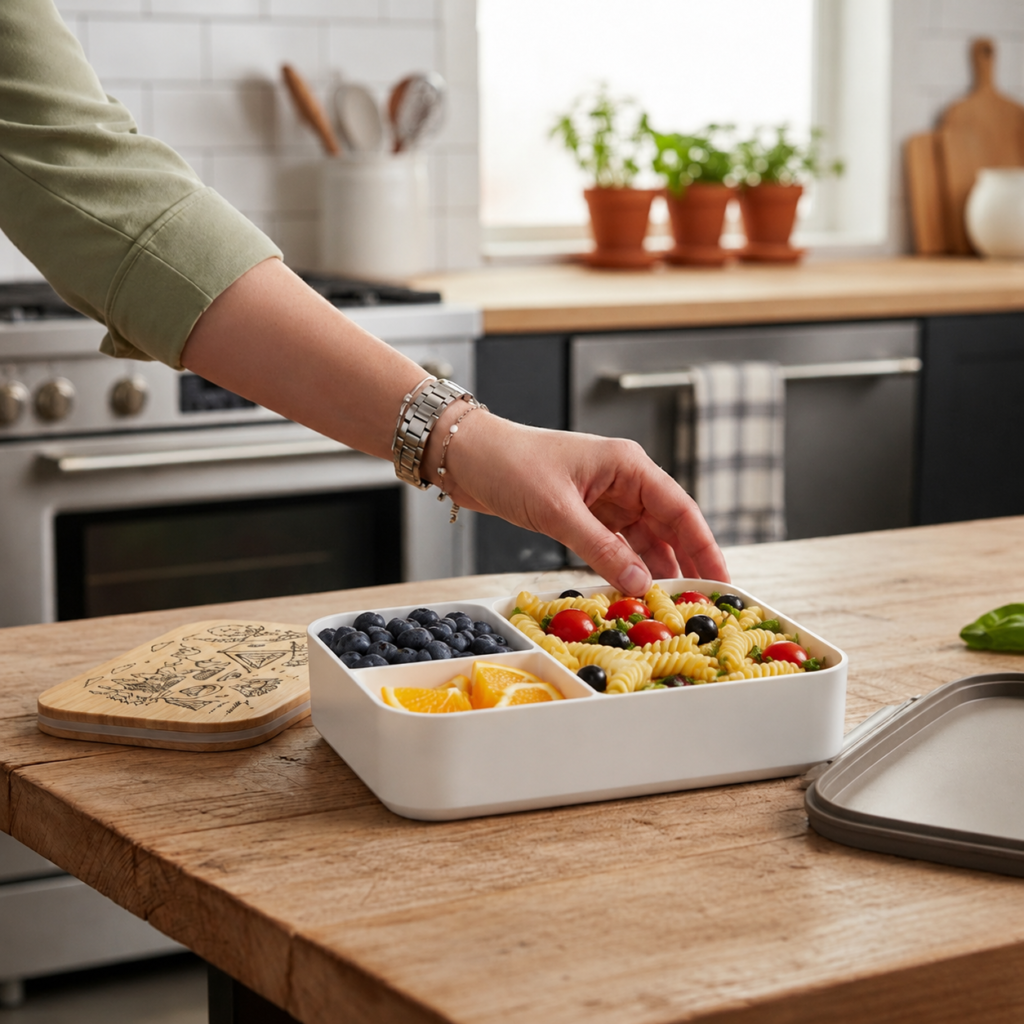
Your lunchbox. It’s more than just a container; it’s your daily portable pantry, your healthy eating sidekick. But have you ever stopped to think about its weight? Does it feel like an extra workout just to carry your midday meal? Today, we’re diving deep into a comparison that might surprise you: Bentoheaven versus classic glass containers, with a special focus on the unsung hero (or villain) of your daily carry – weight.
Ever Feel Like Your Lunchbox is a Workout?
Let’s be honest. We pack our lunches with the best intentions: to eat healthier, save money, and avoid the midday scramble. We carefully choose our meals, ensuring a balance of nutrients and flavors. But how much thought do we give to the vessel itself? The container that holds all this goodness? It’s easy to overlook, isn’t it? Yet, this seemingly simple item plays a huge role in your daily experience. Have you ever noticed how some days your lunch bag feels significantly heavier than others, even with a similar-sized meal? Does that extra heft make your commute just a little bit tougher?
The Unsung Hero (or Villain) of Your Day: The Lunch Container.
Think about it. You grab your lunchbox, perhaps toss it into your work bag, carry it to the office, maybe even to a park for a picnic. That weight accumulates throughout the day. So, have you ever paused to consider just how much your lunch container *actually* weighs? Does it add to your daily load, or is it a feather-light companion?
Introducing Our Contenders: Bentoheaven vs. The Classic Glass Container.
Here at Bentoheaven, we’re all about making your meal prep and lunch experience as seamless and enjoyable as possible. As a Bento Expert, I’ve spent countless hours thinking about every aspect of the perfect bento box. Today, we’re putting our Bentoheaven creations head-to-head, in a sense, against the ever-popular glass containers. We’re not just looking at aesthetics or functionality; we’re tackling the tangible – the weight. What does that difference truly mean for your daily grind?
Beyond Just Holding Food: The Anatomy of a Container.
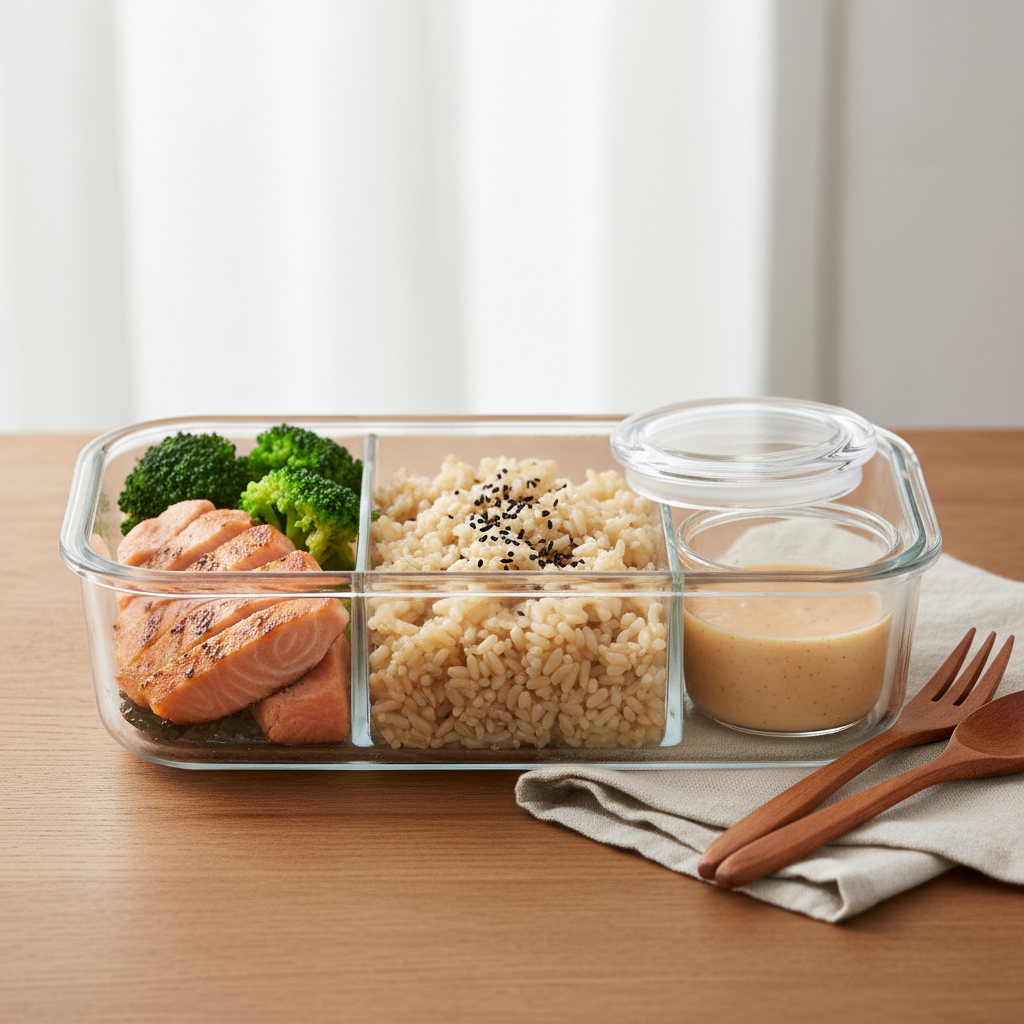
When we talk about lunch containers, we’re not just comparing empty boxes. We’re comparing design philosophies, material science, and ultimately, how they integrate into your lifestyle. What makes one container feel like a burden and another a breeze to carry?
Bentoheaven: Designed for the On-the-Go Lifestyle.
Bentoheaven isn’t just another lunchbox; it’s a carefully considered system designed to elevate your meal prep and portability. We focus on creating solutions that are not only beautiful and functional but also practical for those who are constantly on the move. This means thinking about everything from how well it seals to how it feels in your hands and, crucially, how much it weighs when it’s full of your delicious, healthy creations. We aim to balance durability with a lightweight design, ensuring your meal prep doesn’t become a chore to transport.
Glass Containers: The Traditional Choice.
Glass containers have been a staple in kitchens for decades, and for good reason. They’re often lauded for their inertness, meaning they don’t leach chemicals into your food, and they’re incredibly easy to clean. They offer a satisfying heft and a feeling of solidity. However, this very solidity comes from their core material – glass. Made primarily from silica, glass is a naturally dense substance. When you compare a solid glass container, even an empty one, to containers made from lighter materials, the difference in weight is often quite noticeable. This density, while offering benefits, can be a significant factor when portability is key.
Let’s Talk Turkey (or, More Accurately, Let’s Talk Kilograms).
We all intuitively know that glass is heavier than plastic. But how much heavier are we talking when it comes to our lunch containers? And does Bentoheaven manage to tip the scales in its favor?
The Challenge of Direct Comparison: What the Data Says (and Doesn’t Say).
As Gergely, your resident Bento Expert, discovered while researching for Bentoheaven, finding direct, published weight tests that meticulously compare specific Bentoheaven models against a wide range of generic glass containers is surprisingly difficult. Why is that? Well, think about it: the market for glass containers is vast, with countless brands, thicknesses, and lid types. Similarly, while Bentoheaven has its own design specifications, a direct apples-to-apples weight comparison across the board isn’t always readily available in public research. Many brands focus on capacity or features rather than a detailed weight breakdown. This makes a definitive, universally applicable number hard to pin down without conducting our own tests.
What We *Can* Infer: Material Science 101 for Your Lunch.
Even without exact figures, we can make some educated inferences based on material properties. Think about it – glass, by its very nature, is a dense material. When you compare a solid glass container to a typically plastic or composite bento box, which is designed for portability, what do you *expect* to happen to the weight? It’s a fundamental principle of physics: denser materials weigh more for the same volume. Bentoheaven likely leverages lighter-weight, food-grade materials specifically chosen for their balance of durability and portability. This is a key differentiator for a product designed to be carried around. While glass is fantastic for many reasons (like being inert and easy to clean), its density inherently makes it heavier than comparable plastic or silicone options, especially when comparing containers of similar volume and intended use.
The denser the material, the heavier the container. When it comes to portability, this difference can be significant over the course of a day.
Is Weight the *Only* Thing That Matters for Your Lunch?
While we’re focusing on weight, it’s crucial to remember that the perfect lunch container is a balance of many factors. Weight is important, especially for your daily commute, but it’s not the whole story. What else should you consider when choosing your lunchtime companion?
Durability & Portability: Can It Survive the Commute?
How does weight impact how you carry your lunch? Is it easier to toss a lighter container into your already-full work bag without feeling like you’re adding a brick? Or do you find yourself carrying your lunchbox separately, treating it with extra care? Glass, while sturdy in its own right, can be prone to shattering if dropped. Lighter materials, often used in bento boxes, can be engineered for resilience, offering a good degree of shock absorption. Does the thought of a heavy glass container potentially breaking in your bag add to your daily stress?
Food Safety & Health: What’s Best for Your Meal?
This is paramount. Both glass and high-quality plastics used in Bentoheaven containers are generally considered safe for food. Glass is inherently non-reactive and won’t leach chemicals. Many modern plastics, including those used in Bentoheaven, are BPA-free and designed to be food-safe. When you’re packing a healthy lunch, what’s more important: the weight of the container, or what it’s made of? Ensuring your food stays fresh and uncontaminated is key, regardless of the container’s weight.
For those who love to heat up their meals, microwave-safe containers are a must. Glass is generally microwave-safe, but it can get very hot. Certain plastics are also microwave-safe, but it’s always important to check the labeling. The definition of microwave-safe means the material won’t melt, warp, or release harmful chemicals when heated. This is a crucial aspect of a truly functional lunch container.
Leak-Proofing & Functionality: Does It Hold Up?
A truly great lunch container needs to be leak-proof. No one wants to arrive at work to find their soup has migrated into their laptop bag! While both glass and well-designed bento boxes can achieve excellent leak-proofing with the right lid technology, the overall structural integrity and weight can sometimes play a role. A lighter container might be designed with more flexible seals, while a heavier glass container might rely on sheer weight and a tight-fitting lid. How does the weight of a full container affect its ability to stay sealed during transit?
So, Which Container Wins the Weight War?
Ultimately, the “winner” isn’t about a single champion, but about what aligns best with *your* daily life and priorities. We’re not here to give you advice, but to help you ask the right questions.
The Verdict (It’s Personal!).
If portability and a lighter daily carry are your top priorities, and you’re looking for a system specifically designed for the on-the-go meal prep experience, Bentoheaven likely has an edge. Our focus on balancing functionality with weight means you can pack a satisfying meal without feeling weighed down. If you prioritize maximum inertness, are less concerned about the extra weight in your bag, and perhaps use your containers primarily at home or for very careful transport, glass containers might still be your go-to. It’s about understanding what matters most to you when you pack your lunch.
Your Next Step: What’s Your Lunch Strategy?
When you pack your lunch, how far do you carry it? What are your biggest concerns – weight, durability, the type of food you’re packing, or something else entirely? If weight is a significant factor for you, I encourage you to physically compare the empty weight of your current glass containers with the specifications of a Bentoheaven product. You might be surprised by the difference. Thinking about your daily routine and what makes your lunch experience smoother is the first step to finding the perfect container for you.
Your ideal container is the one that makes *your* healthy eating journey easier and more enjoyable, day in and day out.
Summary: Step-by-Step
- Acknowledge the issue: Many people carry heavy lunchboxes without realizing it, impacting their daily comfort.
- Identify the contenders: We’re comparing Bentoheaven’s design philosophy against traditional glass containers.
- Understand the core difference: Glass is inherently dense and heavier than the lighter, durable materials typically used in bento boxes like those from Bentoheaven, which are designed for portability.
- Consider the practicalities: While direct weight tests are scarce, material science points to a significant weight difference. This difference impacts portability, durability, and overall ease of transport.
- Look beyond weight: Remember to also consider food safety, leak-proofing, and microwave-safe properties when making your choice.
- Personalize your decision: The “best” container depends on your individual needs and daily routine. If a lighter carry is important, a specialized bento box might be the answer.