Your beloved bento box has just held your culinary masterpiece, and now it’s time for the clean-up. Does the thought fill you with dread, or a sense of accomplishment? As a fellow bento enthusiast, I know how much you cherish your bento box – it’s your partner in crafting delicious, healthy meals on the go. But keeping it pristine, especially when life gets hectic, can feel like a puzzle. Today, we’re tackling that puzzle: can your bento box handle the dishwasher? And if so, how do you make sure it comes out sparkling, not damaged? I’m Gergely, your go-to bento expert, and I’m here to guide you. Get ready to unlock the secrets to a spotless bento box with minimal fuss!
Your Bento Box’s BFF: The Dishwasher Cheat Sheet
Let’s be honest, after a satisfying meal from your bento box, the last thing you want is a complicated clean-up. You’ve invested time and care into packing it, and you want to keep it in perfect condition for all your future culinary adventures. But the dishwasher… that’s a whole other story, right? Many of us wonder, “Can this go in there?” The good news is, for many bento boxes, the answer is a resounding “yes!” But it’s not a simple toss-and-go situation. We need to be smart about it. By the end of this guide, you’ll be equipped with the knowledge to confidently clean your bento box, ensuring it stays leak-proof, beautiful, and ready for action. Ready to simplify your bento routine?
Dishwasher vs. Hand-Wash: The Bento Box Verdict
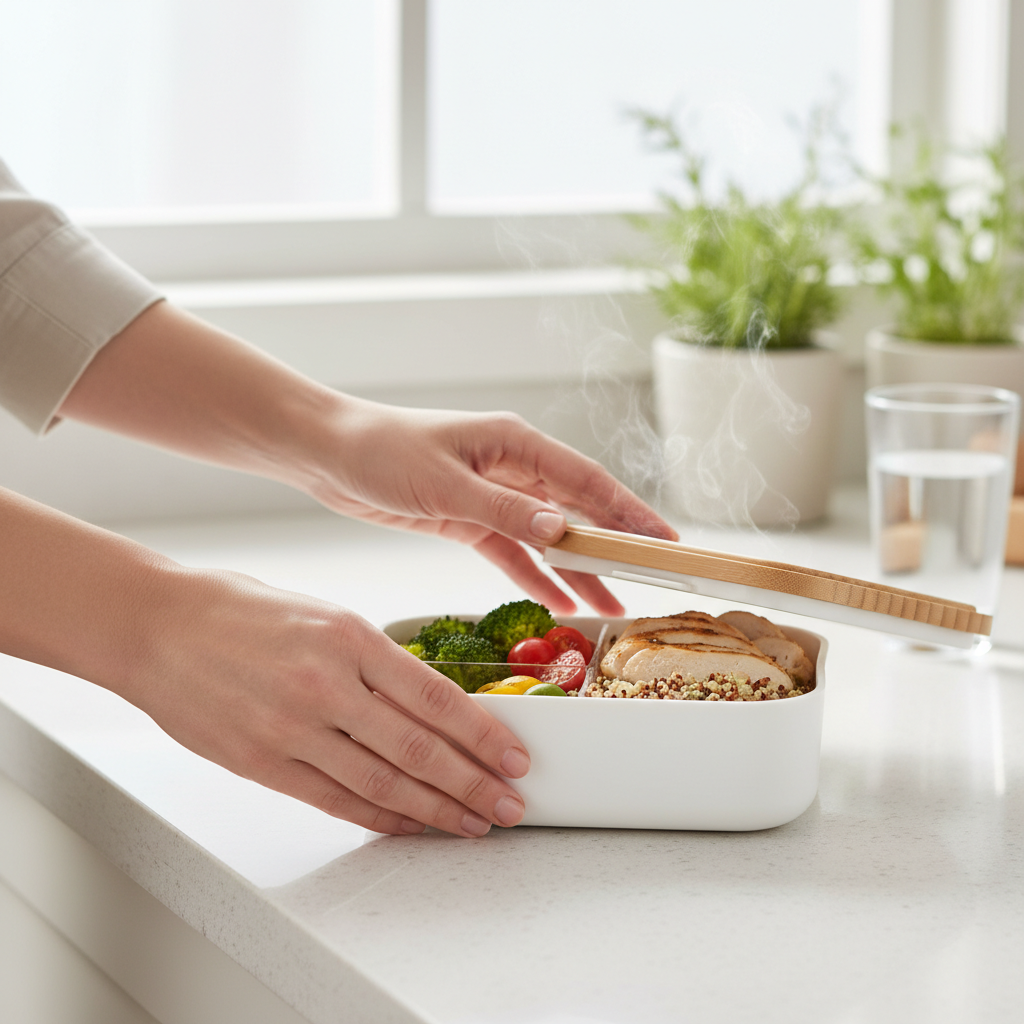
So, the big question: dishwasher or hand-wash? The truth is, it entirely depends on your bento box. Not all bento boxes are created equal, and throwing the wrong material into the high heat and powerful jets of a dishwasher can lead to some serious heartbreak. Think warped plastic, cracked lids, or faded designs. It’s like trying to fit a square peg in a round hole – it just doesn’t end well.
Not All Bento Boxes Are Created Equal
Before you even *think* about loading up the dishwasher, what’s the very first thing you should do? Hint: It involves a quick peek at the box itself or its instructions! This is the most crucial step in ensuring your bento box has a long and happy life. Some materials, like natural bamboo or wood, absorb water and can warp, crack, or even develop mold in the dishwasher. Others might have special coatings or decorative elements that simply can’t withstand the intense cleaning cycle. So, take a moment, check the bottom of your box, or dig out those original instructions. Knowing your bento box’s material is your golden ticket to a safe and effective clean.
Decoding Dishwasher-Safe Materials
Let’s break down the common materials you’ll find in your bento box arsenal and how they fare in the dishwasher.
Plastic: The Most Common Contender
Many plastic bento boxes are designed to be dishwasher safe. However, there’s a catch. High heat, especially from the drying cycle, can degrade plastic over time, leading to warping or brittleness. Always look for that “BPA-free” and “dishwasher-safe” label. Does your plastic bento box have that little symbol or text indicating it’s dishwasher safe? If so, where’s the best place to put it in the machine?
Stainless Steel: Sleek and Durable, But With Nuances
Stainless steel bento boxes are generally robust and can handle the dishwasher. However, to maintain that beautiful, sleek finish and prevent water spots, hand-washing is often the preferred method for many enthusiasts. If you do opt for the dishwasher, avoid abrasive scrubbers that can scratch the surface. You love that sleek stainless steel look, right? What’s the gentle approach to keep it looking its best after a meal?
Glass: A Clear Winner (Mostly!)
Glass bento boxes are fantastic for durability and are usually completely dishwasher safe. They don’t absorb odors or stains, which is a huge plus! The main thing to watch out for with glass is thermal shock – that’s when there’s a sudden, drastic change in temperature, which can cause it to crack. When putting your glass bento box into the dishwasher, what’s one thing you should be mindful of to prevent any unexpected cracks?
Bamboo & Wood: The Absolute No-Gos
If your bento box is made of beautiful, natural bamboo or wood, you’ll need to keep it far away from the dishwasher. These materials are porous and will absorb water, leading to swelling, warping, cracking, and potential mold growth. If your bento box is made of beautiful bamboo or wood, what’s the *only* way you should be cleaning it? (Think gentle and thorough!)
Silicone: The Flexible Friend
Silicone components, like seals, gaskets, or sometimes even the entire container, are often dishwasher safe. They’re great for flexibility and creating a good seal. However, just like plastic, prolonged exposure to very high heat can degrade them over time, making them less effective. How can you best care for them to ensure they keep doing their job?
Your Bento Box’s Dishwasher Spa Day: The Step-by-Step Guide
Alright, you’ve checked your bento box, and you’ve determined it’s dishwasher-safe. Now, let’s get it sparkling clean the right way. Think of this as a gentle spa treatment for your lunch companion!
Prep Work: The Foundation for a Flawless Clean
Before anything goes into the machine, a little preparation goes a long way. This ensures everything gets properly cleaned and your dishwasher stays happy too.
Step 1: Remove Seals & Gaskets
Those little silicone parts are the unsung heroes of your leak-proof lunch, preventing spills and keeping your food fresh. However, they can trap food particles and may not always get as clean as the rest of the box in a standard wash. They often need a little extra attention. What’s the best way to give them the attention they deserve?
Step 2: The Pre-Rinse
Before you load your bento box into the dishwasher, give it a quick rinse under the tap. This removes any loose food debris that could otherwise clog your dishwasher’s filter or get redistributed onto other dishes. Imagine your dishwasher filter is your bento box’s best friend. How can a quick rinse make your dishwasher’s job much easier?
Loading Up: Strategic Placement is Key
How you load your bento box components into the dishwasher is more important than you might think. It’s all about maximizing cleaning power while protecting your box.
Step 3: Top Rack is Your Friend
For most dishwasher-safe bento boxes, especially plastic ones, the top rack is the safest place. It’s further away from the heating element at the bottom, reducing the risk of warping. Where in the dishwasher is the ‘VIP section’ for your bento box components to keep them safe and sound?
Step 4: Water Flow is Everything
Think of the water jets like a cleaning crew. You want to position your bento box pieces so that water can reach all the nooks and crannies. Avoid overcrowding the dishwasher, as this can block the water spray. How can you arrange your bento box pieces so every nook and cranny gets a good scrub?
The Wash Cycle: Gentle Yet Effective
Now that everything is loaded, let’s talk about the actual cleaning process.
Step 5: Choose Your Detergent Wisely
Stick to a mild, standard dishwasher detergent. Avoid anything too harsh or abrasive, as this could damage the material or finish of your bento box. What kind of detergent should you reach for to give your bento box a good clean without being too harsh?
Step 6: Run a Standard Cycle
For most meals, a regular wash cycle is perfectly sufficient. If your bento box has had particularly stubborn food residue, you might consider a slightly more intense cycle, but always check your manufacturer’s recommendations first. For most meals, what kind of wash cycle will get the job done? And what if your bento box had a particularly sticky situation?
The Grand Finale: Drying and Storage
The cycle is done! But we’re not quite finished yet. The drying and storage phase is crucial for long-term care.
Step 7: Air Dry Completely
Once the dishwasher cycle is finished, remove your bento box components and let them air dry thoroughly. This is critical to prevent moisture buildup, which can lead to mold or unpleasant odors. The cycle’s done! What’s the final, crucial step to ensure your bento box is truly clean and ready for its next adventure?
What NOT to Do: Avoiding Bento Box Disasters
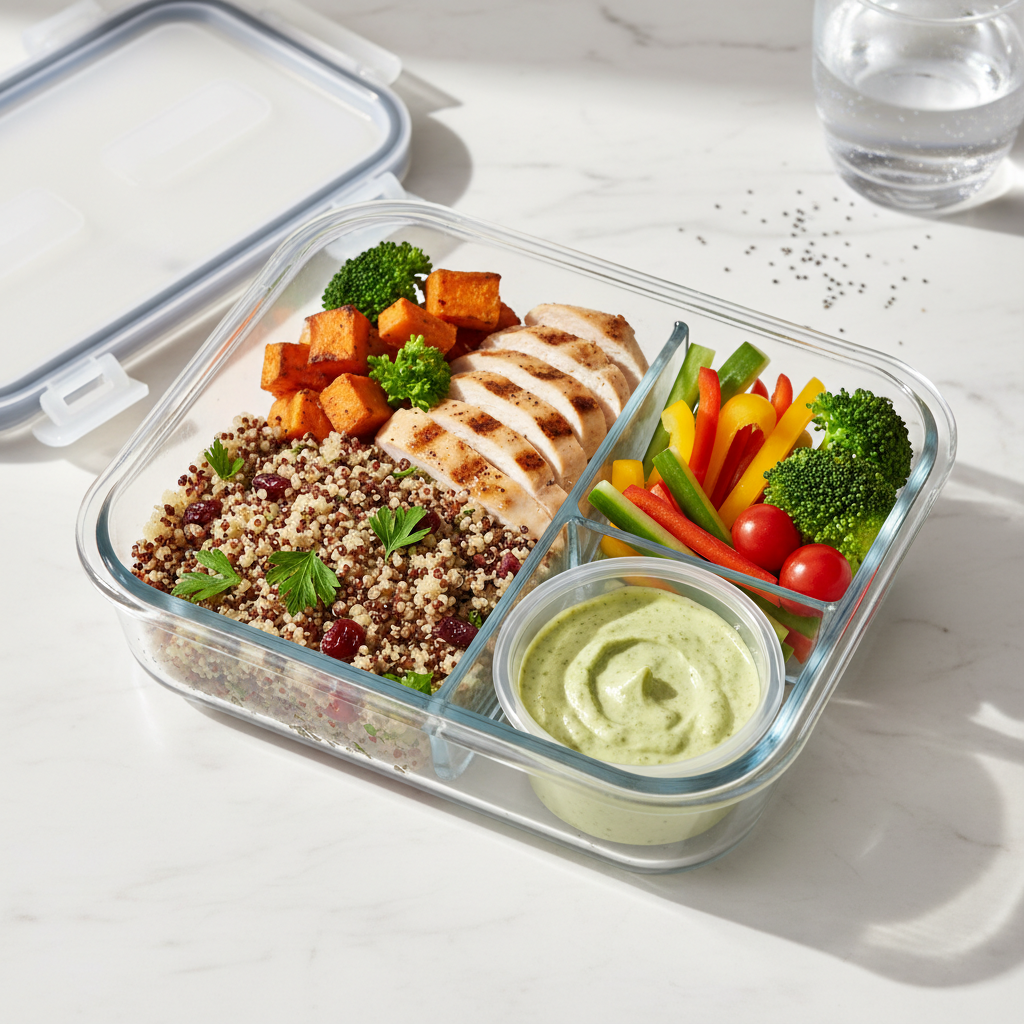
Just as important as knowing what to do is knowing what to avoid. These are the quick ways to turn your beloved bento box into a less-than-lovable item.
The “Never Ever” List
- Dishwashers for wood, bamboo, or certain plastics: If your bento box is made of wood or bamboo, what’s the one appliance you should steer clear of?
- Abrasive cleaners or scrub pads: These can scratch and dull the finish of your bento box, no matter the material. What kind of cleaning tools could accidentally scratch or damage your bento box’s surface?
- Bottom rack for plastic boxes: The intense heat here is a recipe for warped plastic. Why is the bottom rack a risky place for your plastic bento box?
- Leaving it wet: Trapped moisture is a breeding ground for bacteria and mold. What unpleasant surprises can happen if you leave your bento box damp after washing?
Keeping Your Bento Box Leak-Proof and Long-Lasting
Your bento box is an investment in your health and your wallet. A little extra care ensures it performs at its best, meal after meal.
The Secret to Seals That Seal
Those silicone seals are the guardians of your delicious lunch, preventing leaks and keeping everything fresh. As we’ve touched upon, hand-washing them gently often helps maintain their flexibility and effectiveness better than aggressive dishwasher cycles. Inspect them regularly for any signs of wear and tear – a damaged seal means a compromised lunch! Those seals are vital! How can you make sure they stay supple and effective, meal after meal?
Longevity Tips
Even if your bento box is marked as dishwasher-safe, consider hand-washing it periodically. This offers a more gentle clean and can help extend its lifespan. Think of it as an occasional deep clean to keep it in top condition. Beyond the dishwasher, what’s one simple habit you can adopt to help your bento box stay in great condition for years to come? For more tips on maintaining your bento box, check out our guide on bento box care.
Summary: Step-by-Step
- Know Your Material: Always check if your bento box is dishwasher-safe. Bamboo, wood, and some plastics are not.
- Prep is Key: Remove silicone seals and gaskets (hand-wash these separately if needed) and give the box a quick pre-rinse to remove food particles.
- Load Smart: Place components on the top rack of the dishwasher, ensuring water can reach all surfaces. Don’t overcrowd.
- Wash Gently: Use a mild dishwasher detergent and a standard wash cycle.
- Dry Thoroughly: Remove all parts and let them air dry completely before reassembling or storing to prevent mold and odors.