Staring at that vending machine again? Feeling that familiar mid-afternoon slump, tempted by whatever sugary treat is lurking in the breakroom? We get it. Eating healthy at the office, especially when you’re trying to diet, can feel like an uphill battle. The constant availability of less-than-ideal options, the rush of a busy workday, and yes, that gnawing hunger can make it tough. But what if I told you it doesn’t have to be that way? What if you could actually diet at the office *without* feeling like you’re perpetually starving? It’s not about deprivation; it’s about smart strategies. As someone who loves a well-packed bento and believes in making healthy eating practical, I’ve gathered some insights that can transform your workday. In this guide, we’ll explore how to fuel your body effectively, manage those hunger cues, and make dieting at work a sustainable, hunger-free success.
The Real Cost of Office Eating (And Why You Should Care)
Let’s talk numbers for a second. Did you know the average American spends a staggering $3,600 per year on lunch? That’s a significant chunk of change, and often, those convenient options aren’t doing your diet any favors. But it’s not just about the money. Those impulse buys and pre-packaged meals can lead to energy crashes and cravings later on. On the flip side, imagine saving $1,200 to $1,500 per year just by being a bit more prepared. That’s where meal prepping shines!
Beyond the Price Tag: What You’re Really Spending
Think about it: that daily sandwich or takeout box isn’t just a few dollars. It’s a recurring expense that adds up. And when those choices aren’t aligned with your health goals, you’re also “spending” energy, focus, and well-being. Are you truly getting value for your money when you feel sluggish after lunch?
The Ripple Effect: How Nutrition Impacts Your Workday
It might surprise you, but employees who eat healthy lunches are 25% more likely to report having a good work-life balance. Think about that – better food can lead to a better overall feeling about your work and life. How much more productive and present could you be if you weren’t battling hunger pangs or the post-lunch slump? What’s the true cost of that midday sugar rush when it leads to an afternoon of brain fog?
Your Secret Weapon: The Art of Strategic Meal Prepping
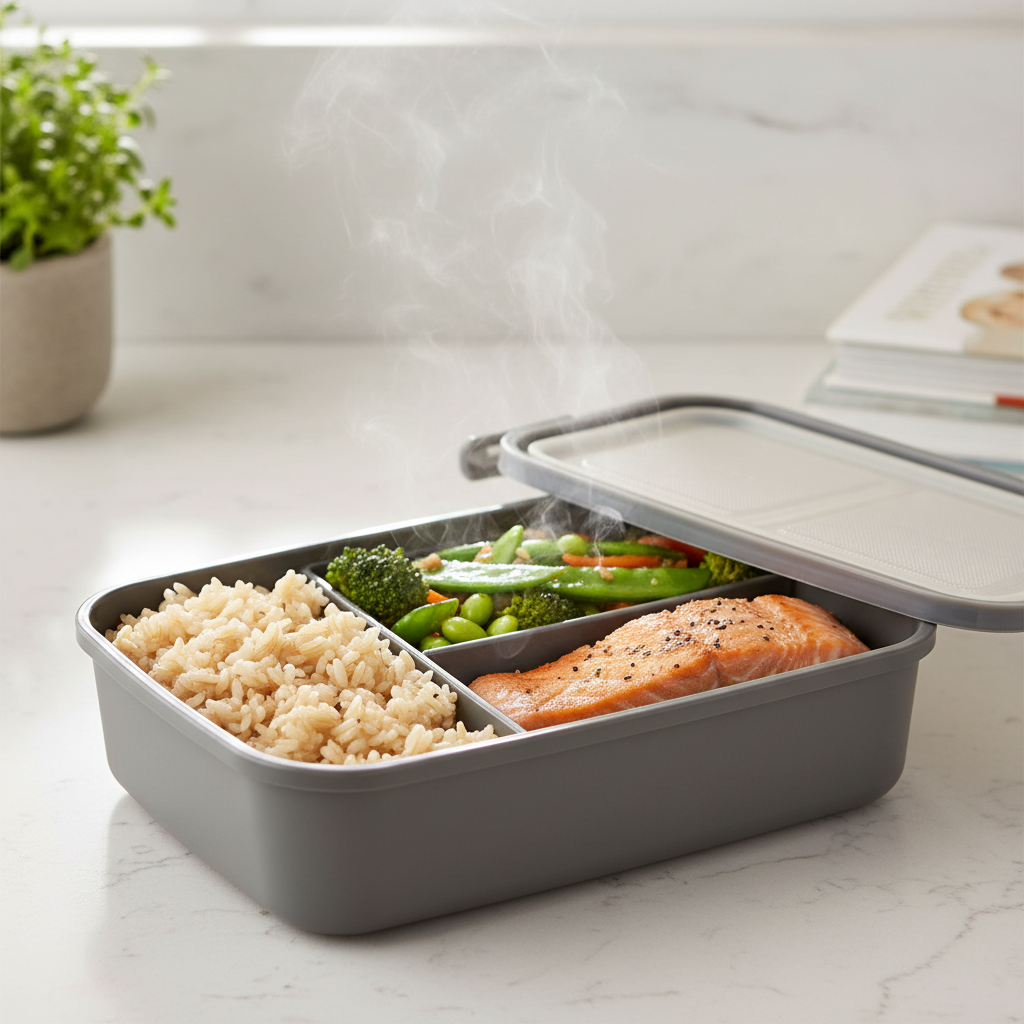
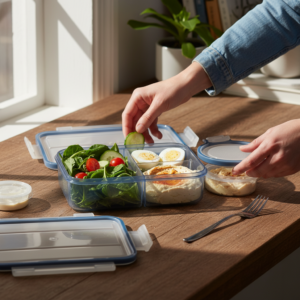
Let’s be honest, the thought of prepping meals can feel daunting. But consider this: it’s your daily insurance policy against those “I have nothing to eat!” moments that lead to less-than-ideal choices. You’re taking control, ensuring you have nutritious, portion-controlled meals ready to go. It’s about empowerment, not obligation. This is where the magic of the bento box comes in! It’s not just about looking pretty (though it does that too!); it’s a fantastic tool for portion control and variety.
Why Bother? The ‘Why’ Behind Your Prep Session
When you’re rushing out the door in the morning, the last thing you want to think about is what to eat for lunch. Meal prepping eliminates that decision fatigue. It’s about setting yourself up for success before the workday even begins. Are you ready to reclaim your lunch break and your energy levels?
Building Your Bento Box: What to Pack
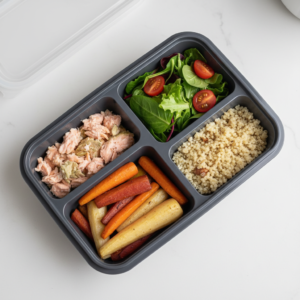
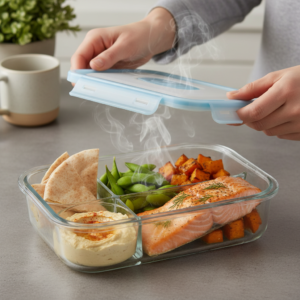
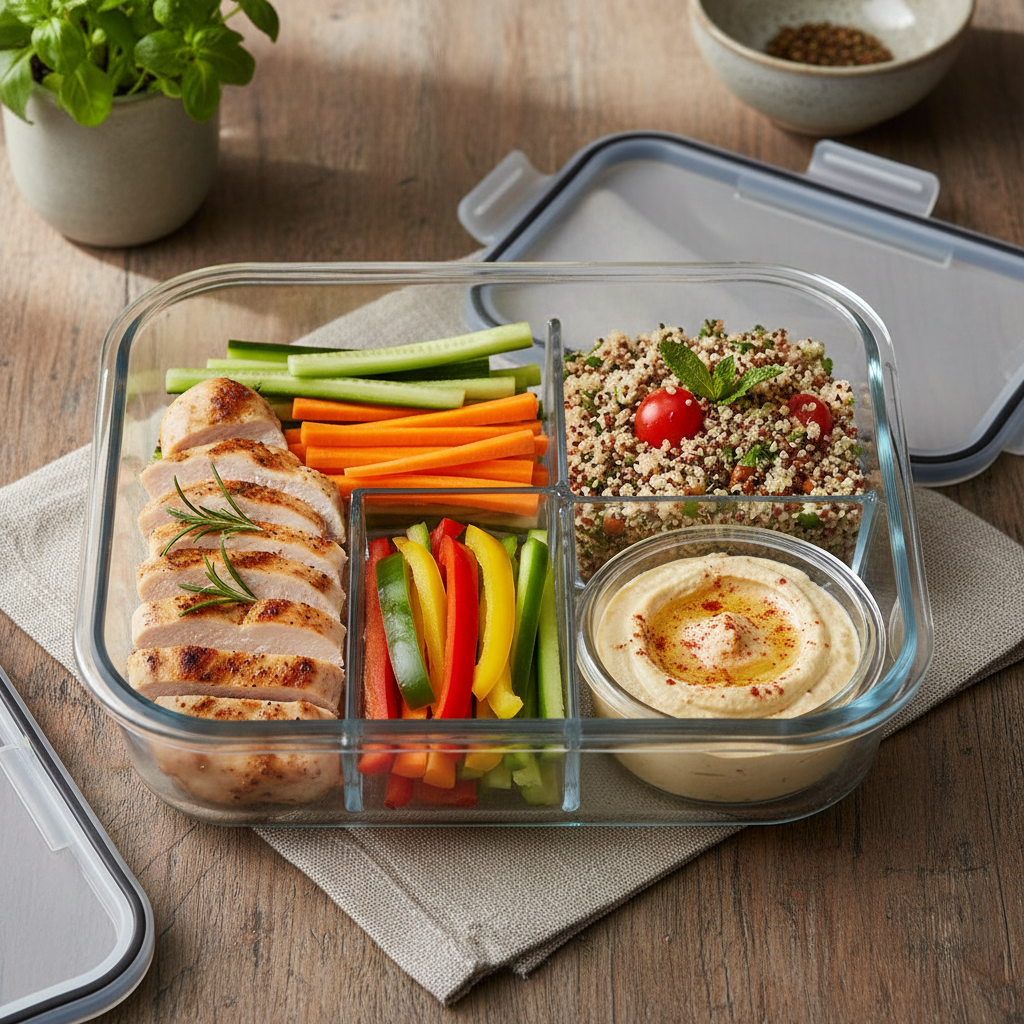
Think lean protein (chicken, fish, tofu), complex carbs (quinoa, brown rice, sweet potato), and an abundance of colorful vegetables. Healthy fats like avocado or nuts also play a crucial role. Remember to pack foods that travel well and reheat nicely. Containers that are leak-proof and microwave-safe are your best friends here. For example, a colorful bento filled with grilled chicken, roasted sweet potatoes, and a generous serving of steamed broccoli can be a complete, satisfying meal.
Prep Like a Pro: Tips for Success
Dedicate a couple of hours on the weekend. Cook in batches – roast a big tray of vegetables, grill chicken breasts, cook a pot of grains. Then, portion them out into your bento boxes or containers. Don’t eat the same thing every day! Mix up your proteins, veggies, and carb sources to keep things interesting and ensure you’re getting a wide range of nutrients. Have you ever tried dedicating Sunday afternoon to your weekly meal prep? What difference did it make for your week?
Taming the Midday Monster: Smart Snacking Strategies
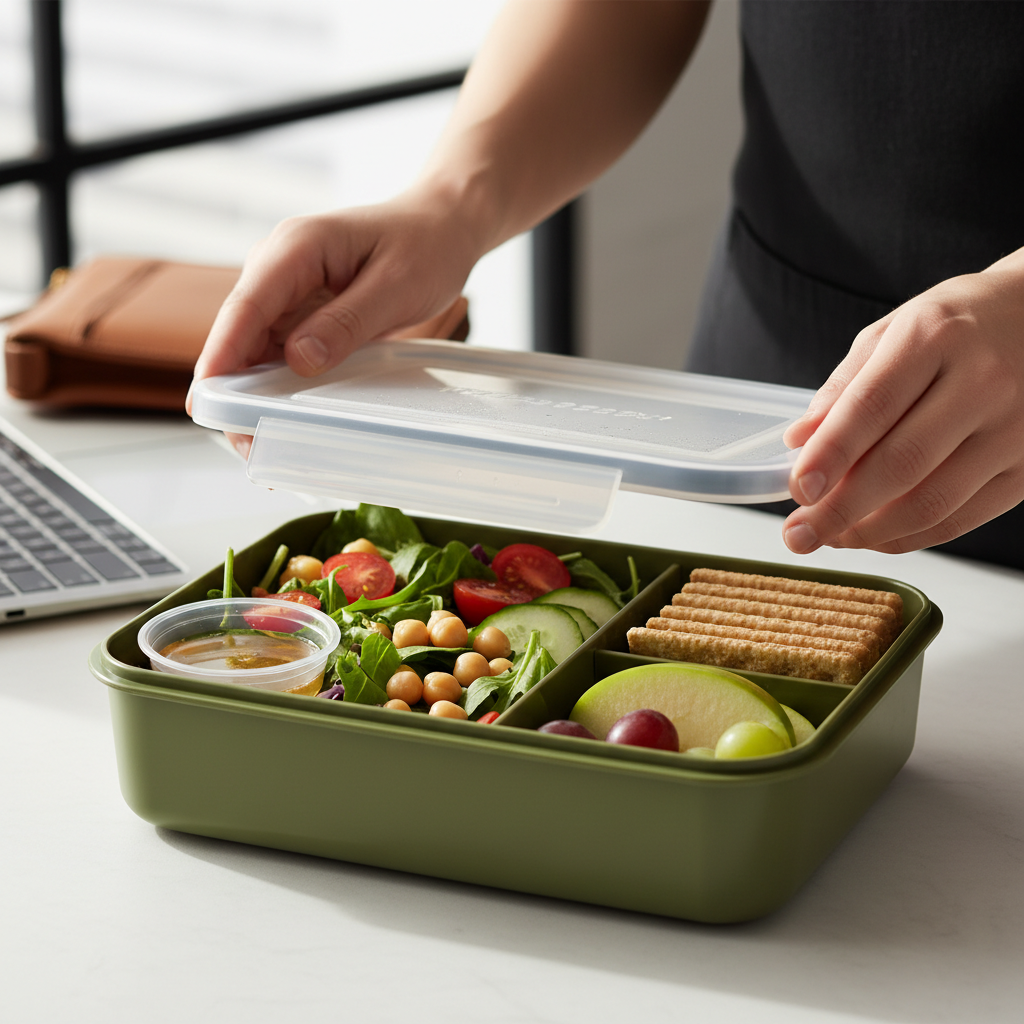
When do those hunger pangs usually hit you? Mid-morning? Late afternoon? Having a plan for these moments is crucial. Smart snacking isn’t about filling up on junk; it’s about stabilizing your blood sugar and keeping your energy levels consistent. This prevents you from overeating at your main meals. Think beyond the candy bar. Keep a stash of nuts and seeds (portion them out!), dried fruit (in moderation), whole-grain crackers, or even protein bars with minimal added sugar.
The ‘Hangry’ Avoidance Plan
The ‘hangry’ feeling is real, and it’s a sure sign that your body needs fuel. But the *type* of fuel matters. Reaching for a processed snack might give you a quick burst, but it’s often followed by a crash. What are your go-to snacks when that hunger strikes? Could they be swapped for something that offers more sustained energy?
Desk Drawer Delights: What to Keep On Hand
If you have access to a refrigerator, Greek yogurt, cottage cheese, or hard-boiled eggs are excellent protein-packed options. The key principle is to choose snacks that offer protein, fiber, or healthy fats to keep you feeling satisfied. How often do you find yourself reaching for a snack? Could a strategically placed healthy option make a difference?
Hydration: Your Secret Weapon Against False Hunger
This is a big one, and often overlooked. So many times, what feels like hunger is actually just thirst! Drinking enough water throughout the day helps manage your appetite, boosts your metabolism, and keeps you feeling energized. Keep a large, reusable water bottle at your desk. Set reminders on your phone or computer to take sips. Aim to finish it by the end of the workday.
Thirsty or Hungry? The Great Office Mystery
It’s a common pitfall. You feel a pang of hunger, so you grab a snack. But what if a glass of water would have solved it? How much water have you had today? Really, how much? Making a conscious effort to drink water consistently can make a huge difference in managing your appetite.
Make it a Habit
Think of your water bottle as your desk companion. Refill it throughout the day. Perhaps add some lemon or cucumber for a little flavor boost. What’s one small change you can make today to increase your water intake at work?
Beyond the Food: Mindful Eating and Social Savvy
Are you guilty of eating lunch at your desk while scrolling through emails or attending virtual meetings? We’ve all been there. When you eat your prepared lunch, step away from your desk if possible. Focus on the flavors, textures, and the simple act of nourishing yourself. This helps your brain register that you’re eating and signals fullness more effectively. Using your bento box compartments helps you visually manage portions, ensuring a balanced intake without overdoing it.
Savor the Moment: Practicing Mindful Eating
Mindful eating isn’t just about what you eat, but *how* you eat. By giving your full attention to your meal, you’re more likely to recognize your body’s hunger and fullness cues. How much more enjoyable is your lunch when you’re not distracted? Can you commit to a few minutes of dedicated, focused eating each day?
Navigating Office Socials and Lunches
Office birthdays, team lunches, client dinners – these can be minefields for dieters. Don’t feel like you have to miss out! Plan ahead. If you know you’re going out, make healthier choices at your other meals. When ordering, opt for grilled or baked options, load up on veggies, and be mindful of sauces and dressings. If it’s a potluck, bring a healthy dish you know you’ll enjoy. It guarantees you have a good option. How can you participate in office events without derailing your progress? What’s one small change you can make next time?
Freshness Tip: If your diet includes vibrant, sauce-heavy meals like turmeric-rich curries or tomato-based stews, try rinsing your bento with cold water immediately after finishing your lunch. This simple habit prevents odors and stains from clinging to the high-density surface, so your box is always neutral-smelling for tomorrow’s healthy prep!
Summary: Step-by-Step
- Assess Your Office Eating Habits: Are you relying on vending machines or impulse buys? What’s the real cost in terms of money and well-being?
- Commit to Meal Prepping: Dedicate a few hours on the weekend to prepare balanced meals. Focus on lean protein, complex carbs, and plenty of vegetables.
- Invest in Smart Containers: Ensure your meal prep containers are leak-proof and microwave-safe for easy transport and reheating. Consider a stylish bento box for portion control and visual appeal.
- Plan Your Snacks: Stock your desk drawer or bag with healthy, portable snacks like nuts, seeds, dried fruit, or whole-grain crackers to prevent hunger pangs.
- Prioritize Hydration: Keep a reusable water bottle at your desk and aim to drink plenty of water throughout the day to differentiate thirst from hunger.
- Practice Mindful Eating: Step away from your desk during lunch. Focus on your meal, savoring each bite to better recognize fullness cues.
- Navigate Social Situations: Plan ahead for office events. Make healthier choices when dining out, or bring a healthy dish to potlucks.