Ever open your bento box, ready for a delicious lunch, only to be hit with the lingering ghost of yesterday’s curry or garlic? Yeah, we’ve all been there. It turns out, a significant number of us – around 65% of regular packed lunchers – struggle with this very issue! But don’t worry, that beloved bento doesn’t have to become a permanent scent holder. We’re going to tackle this head-on and get your bento smelling as fresh as the day you got it. Ready to dive in and reclaim your bento’s pristine aroma?
Why Do Bento Boxes Hold Onto Smells? Let’s Understand the “Why.”
So, why does this happen? It’s not magic, but it can feel like a persistent spell! Understanding the root cause is the first step to breaking it. Have you ever thought about what your bento box is actually made of and how that might play a role?
The Material Matters
The material of your bento box is a huge factor in how well it holds onto those stubborn food smells. Think about it: some materials are like sponges, while others are more resistant.
- Plastic: While cheap, single-use plastic containers act like a sponge for oils and spices, high-quality bento engineering makes a massive difference. BentoHeaven boxes are crafted from premium, high-density, BPA-free PP-5 material, which is specifically designed to be significantly more non-porous and odor-resistant than standard plastic. However, heavy curries or garlic can still test any premium surface over time if left unwashed, so practicing smart maintenance is still key to keeping it showroom-fresh.
- Stainless Steel: Generally, stainless steel is a fantastic choice for odor resistance. It’s non-porous, so food particles and oils have a much harder time clinging to it. However, if you leave food in it for extended periods without cleaning, even stainless steel can sometimes pick up a faint scent.
- Wood: Ah, wood. Beautiful and natural, but it can be a bit of a scent magnet if not properly sealed. Unsealed wood can absorb moisture and oils deeply, making it challenging to deodorize. If your wooden bento has a good sealant, it behaves much more like stainless steel.
The Culprits: What Foods Are the Worst Offenders?
We all have those go-to meals, but some foods are just notorious for leaving their olfactory mark. Think pungent spices, rich fish, or even certain fermented foods. These are the ones that really test your bento’s resilience.
What’s the one food that always seems to leave its mark in your bento?
Common offenders include:
- Curry dishes with turmeric and garam masala
- Garlic and onion-heavy meals
- Strong-smelling fish like salmon or mackerel
- Certain aged cheeses
- Heavily seasoned or marinated meats
Your Bento Deodorizing Toolkit: Simple & Effective Home Remedies
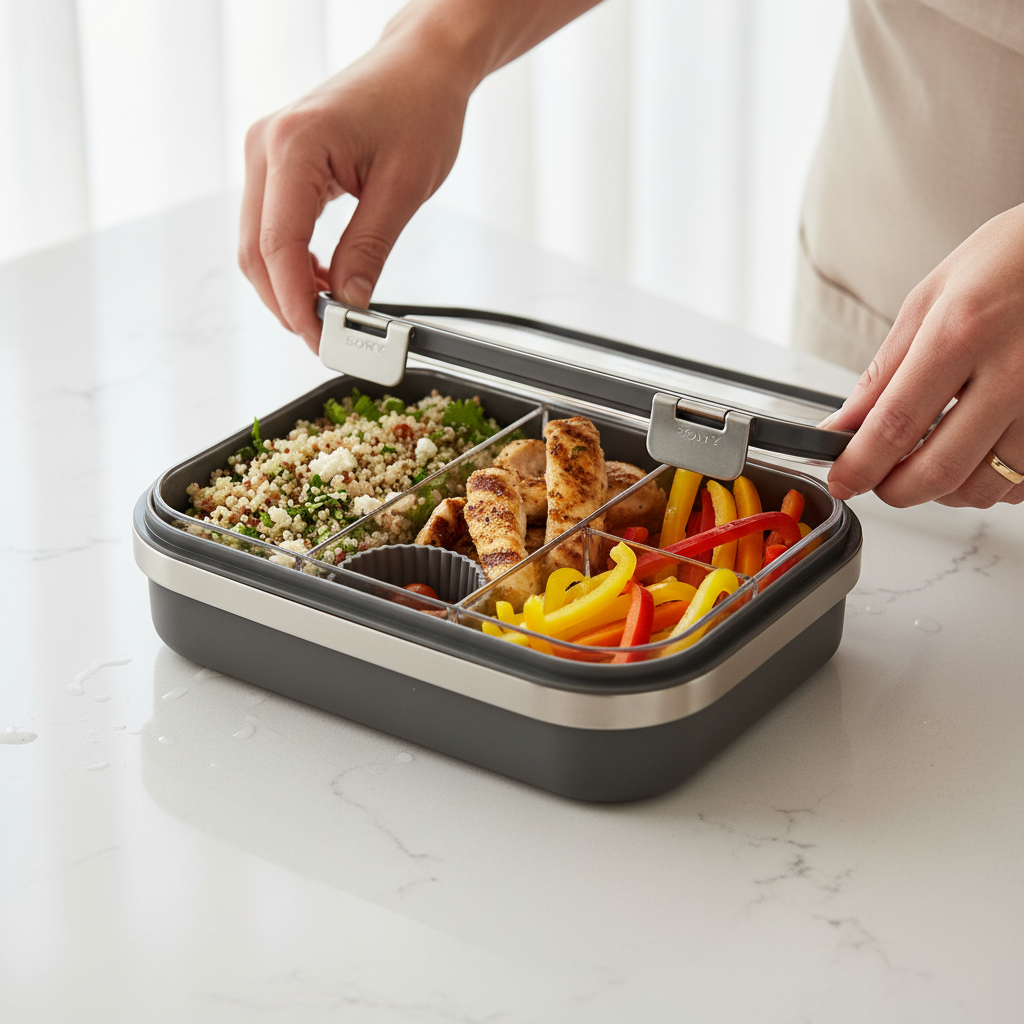
Now that we know *why* it happens, let’s get to the good stuff: how to actually fix it! You probably have most of what you need right in your kitchen. Are you ready to unleash the power of common household items?
The Power of Baking Soda: Nature’s Odor Sponge
Baking soda is a true superhero when it comes to neutralizing odors. It doesn’t just mask smells; it actually absorbs and breaks them down. How have you used baking soda for cleaning before?
Method 1: The Paste Power-Up
This is great for targeted treatment of stubborn spots or a general refresh.
- Mix a few tablespoons of baking soda with just enough water to form a thick paste.
- Apply this paste all over the inside of your bento box, paying extra attention to any areas that seem particularly affected.
- Let it sit for at least 15-30 minutes. For really tough odors, you can leave it for a few hours.
- Rinse thoroughly with warm water and wash as usual.
Give it at least 15-30 minutes to work its magic. Patience here is key!
Method 2: The Overnight Soak
For a deeper clean and to tackle pervasive smells, an overnight soak is your best bet.
- Fill your bento box with warm water.
- Add a generous amount of baking soda – a few tablespoons should do the trick.
- Stir to dissolve, then close the lid (if it’s sealed) or cover it well.
- Let it sit overnight.
- In the morning, empty the water, rinse thoroughly, and wash as you normally would.
Are you ready to let this sit overnight for maximum impact?
Vinegar’s Acidity: Breaking Down the Bad Guys
White vinegar is another kitchen staple that works wonders on odors, thanks to its acidity. It’s excellent at cutting through grease and neutralizing alkaline odor molecules.
The Vinegar Rinse:
- Mix equal parts white vinegar and water (e.g., 1/2 cup vinegar + 1/2 cup water).
- You can either wipe down the inside of your bento box with this solution using a soft cloth or sponge, or you can fill the box with the solution and let it soak for about 10-15 minutes.
- Crucially: Rinse *very* thoroughly with warm water afterward to remove any lingering vinegar smell! Then wash as usual.
This is a great one for a quick refresh, or as a follow-up after the baking soda treatment.
The Newspaper Trick: Absorbing Lingering Scents
This might sound a bit old-school, but crumpled newspaper is surprisingly effective at absorbing residual moisture and odors from containers. It’s particularly useful for bento boxes that might have been left damp or have a faint smell even after washing.
- Make sure your bento box is completely dry after washing.
- Crumple up a few sheets of newspaper.
- Stuff the crumpled newspaper inside the bento box.
- Close the lid and let it sit for at least a few hours, or preferably overnight.
Have you ever tried this old-school trick before?
Beyond the Basics: Advanced Bento Box Care for Odor Prevention
We’ve tackled how to *remove* smells, but what about stopping them from happening in the first place? Prevention is always better than cure, right? How quickly do you usually clean your bento after use?
The Importance of Immediate Cleaning
This is perhaps the single most important tip for odor prevention. The longer food residue sits in your bento box, the more time it has to break down, dry, and embed itself into the material. Think of it as a race against time!
Be honest, how quickly do you usually clean your bento after use?
The Golden Bento Freshness Hack: If you’re at the office and can’t deeply wash your bento box right after lunch, always rinse it with cold water immediately. It takes exactly 5 seconds, but it’s a game-changer. Washing or rinsing with hot water right away actually expands the pores of high-quality PP-5 plastics, trapping the oil and spice molecules inside. A quick blast of cold water snaps those pores shut and flushes away the residues before they can anchor themselves into the material.
Deep Cleaning for Different Materials
While the general methods work for most materials, a little extra care for your specific bento type can go a long way.
- Plastic: Avoid using abrasive scrubbers or steel wool, as these can create micro-scratches where odors can hide. Gentle washing with a soft sponge is best. If you’re looking for a new bento, consider higher-quality BPA-free plastics designed for better odor resistance.
- Stainless Steel: This material is quite forgiving. Regular washing with dish soap and water is usually sufficient. Avoid harsh abrasive cleaners that could scratch the surface.
- Wood: The key here is to avoid prolonged soaking, which can damage the wood or sealant. Wash with mild soap and water, and dry thoroughly immediately. Never put wooden bento boxes in the dishwasher unless the manufacturer explicitly states it’s safe.
Always refer to your bento box manufacturer’s guidelines for the best care specific to your product.
Air It Out!
This is so simple, yet so effective. After washing and drying your bento box, leave the lid off and let it air out completely. This allows any trapped moisture or residual steam to escape, which can prevent the growth of odor-causing bacteria.
Think of it as giving your bento a chance to breathe and release any trapped moisture.
When All Else Fails: What Next?
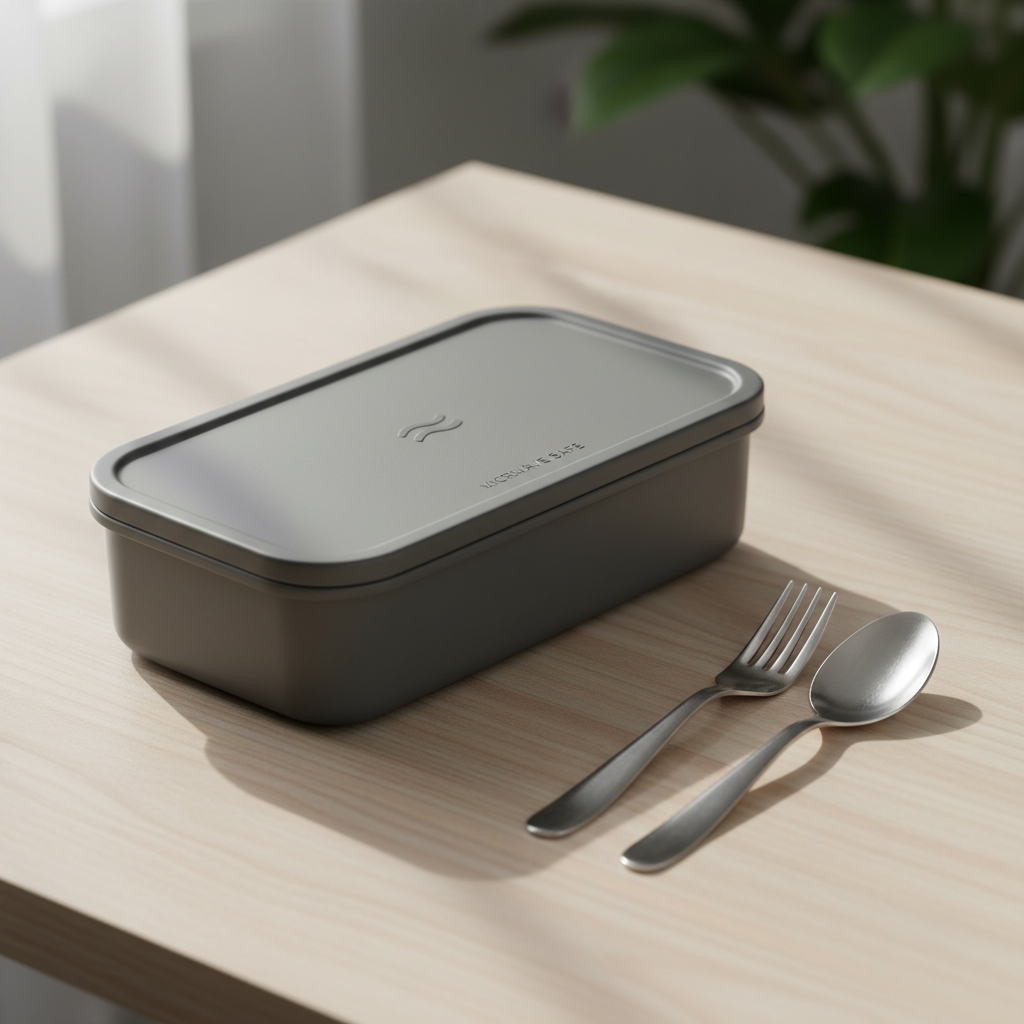
Sometimes, despite our best efforts, a bento box might just be stubbornly holding onto a smell. What do you do then? It’s okay to acknowledge when a battle might be lost, and to look for new strategies.
Consider a “Sacrificial” Bento
If you have a bento box that is particularly prone to odors and you’ve tried everything, it might be time to relegate it to less potent foods. Perhaps it becomes your dedicated “soup container” bento or your “fruit and crackers” bento, where strong smells aren’t an issue.
Investing in a New Material
If odor absorption is a constant battle for you, and you find yourself frequently frustrated, it might be time to consider investing in a bento box made from a more odor-resistant material. High-quality stainless steel or specially designed food-grade silicone containers are excellent options for minimizing smell issues.
What material is your current go-to bento made of?
Summary: Step-by-Step
Is your bento box holding onto yesterday’s smells? You’re not alone! Here’s how to fix it:
- Understand the Cause: Recognize that porous materials like plastic absorb odors more readily, and strong-flavored foods are the main culprits.
- Try Baking Soda: Create a paste with baking soda and water to scrub the inside, or soak the bento overnight in a baking soda and water solution.
- Use Vinegar: Wipe down or soak your bento with a diluted white vinegar and water solution, then rinse thoroughly.
- Employ the Newspaper Trick: Stuff dry, crumpled newspaper into a clean, dry bento box to absorb lingering scents.
- Prioritize Immediate Cleaning: Wash your bento box as soon as possible after use to prevent odors from setting in.
- Ensure Complete Drying: Always let your bento box air dry completely with the lid off.
- Consider Material Care: Treat different materials (plastic, stainless steel, wood) according to their needs, avoiding harsh abrasives.
- Re-evaluate if Needed: If a bento remains stubbornly smelly, consider using it for less potent foods or investing in a new one made from odor-resistant materials like stainless steel.
Ready to make your bento smell amazing again? Let’s do this!