Hey there, fellow bento enthusiast! So, you’ve mastered the art of packing a beautiful, balanced bento box, and now you’re wondering about reheating those delicious leftovers. Let’s dive into the sometimes-tricky world of microwaving your bento to make sure it’s safe and sound!
Your Bento Box & The Microwave: A Match Made in Heck? (What NOT to Heat!)
You’ve probably got a bento box that you absolutely adore. It’s not just a lunch container, right? It’s a little work of art, a commitment to a healthier, more organized meal. You pack it with care, aiming for that perfect balance of flavors and textures. But when it comes to transforming those chilled leftovers into a warm, inviting meal using your microwave, things can get a little… complicated. We want to make sure your bento box continues to be a source of joy, not a source of sparks or yucky chemicals. Ready to become a bento reheating pro?
Bento Boxes: More Than Just Pretty Containers
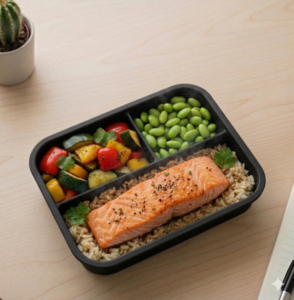
Let’s be real: the appeal of a bento box goes way beyond just holding food. It’s about intention, about making lunchtime a highlight of your day. You love the neat compartments, the way each food item has its own space, preventing flavors from mingling until you’re ready. It’s a cornerstone of meal prep, turning routine lunches into something special. But here’s the catch: not all bento boxes are created equal when it comes to handling the intense heat of a microwave. Think of it like this: you wouldn’t put your favorite delicate teacup in a dishwasher, would you? Your bento box deserves that same level of consideration.
Why does this distinction matter so much? It boils down to two critical things: your health and the longevity of your beloved bento gear. We’re all about ensuring your food is not only delicious but also absolutely safe to consume. And let’s not forget that awesome bento box you invested in! We definitely don’t want to see it warped, melted, or worse, damaged beyond repair. So, before you hit that “start” button on your microwave, let’s get clear on what should absolutely *not* go inside.
The Microwave Minefield: What to Keep OUT of Your Bento Box
Navigating the world of microwave reheating with your bento box can feel like walking through a minefield if you’re not sure what to avoid. Those shiny, sleek containers might look innocent, but some materials can cause serious problems. Let’s break down the common culprits and understand why they’re a definite no-go.
Metal: The Arcing, Sparking Showstopper
Have you ever heard that alarming crackling sound, or worse, seen flashes of light when you try to reheat something in the microwave? Nine times out of ten, metal is the culprit. It’s like throwing a tiny lightning bolt into your kitchen!
Metal components inside a microwave are a recipe for disaster. They reflect the microwave energy, leading to sparks, potential fires, and damage to your appliance. Always do a quick visual check before heating!
So, what exactly are we talking about when we say “metal”?
- Metal cutlery: This is the most obvious one, right? Spoons, forks, knives – they’re designed for eating, not for zapping. But it’s always worth a reminder, especially if you’re rushing.
- Decorative metal elements: Some bento boxes, especially those with a more artisanal or decorative flair, might have small metal accents, clasps, or even patterned edges. These might look cute, but they’re a major hazard.
- Bento boxes with integrated metal trays or inserts: You might find some bento boxes that feature stainless steel or aluminum inserts designed to keep food cold or act as a base. These are fantastic for packing, but they absolutely must be removed before microwaving.
Essentially, if it looks like metal, it probably shouldn’t be in the microwave. It’s a simple rule that can prevent a lot of trouble.
Plastics: Not All Heroes Wear Capes (Or Are Microwave-Safe!)
Ah, plastic. It’s everywhere, and it comes in so many forms. When you grab a plastic container for your bento leftovers, your first thought might be, “This is plastic, so it’s fine, right?” Well, that’s where we need to get a little more discerning.
The truth is, not all plastics are created equal, especially when it comes to heat. Many common plastics can melt, warp, or, more concerningly, leach potentially harmful chemicals into your food when subjected to microwave heat. We’re talking about things like BPA and phthalates, which aren’t exactly on anyone’s list of desired lunch ingredients.
So, how do you know what’s safe? Here’s your guide:
- The “Microwave-Safe” Label: Your Best Friend. This is non-negotiable. Look for the little symbol – often a wavy line, sometimes with a plate or a microwave icon – or the words “microwave-safe” clearly printed on the bottom of your bento box or its components. If it’s not there, assume it’s a no-go for reheating.
- Even “Safe” Plastics Have Limits: Think of “microwave-safe” as a guideline, not a superpower. Even plastics that are designed for microwave use have temperature limits. Overheating your food can still stress these materials, potentially causing them to degrade over time. It’s like boiling water; even a pot designed for boiling has a melting point if you heat it too much or for too long.
- The Mystery Plastics: What about those single-use containers you get from takeout or certain pre-packaged meals? Unless they are *explicitly* labeled “microwave-safe,” it’s best to avoid microwaving food in them. They are often made from brittle plastics that are prone to cracking or melting under heat, and their safety for repeated heating is questionable.
When in doubt, always err on the side of caution. Your health and your bento box are worth it.
Styrofoam: The Melty Menace
You might be tempted to reuse that styrofoam container from your last deli run or maybe your bento box itself is made from it. Let’s address this one directly.
Styrofoam (Expanded Polystyrene – EPS) is generally not a good candidate for microwave reheating. It can melt, deform, and potentially release harmful chemicals into your food.
Why is styrofoam a risky business in the microwave?
- Melting and Warping: Styrofoam is not designed to withstand the high temperatures generated in a microwave. It can easily melt and deform, which not only ruins the container but also contaminates your food.
- Chemical Leaching: When heated, styrofoam can release styrene, a chemical that is classified as a possible human carcinogen. While some industrial-grade styrofoam might be engineered for heat, the kind typically used for food packaging or less durable bento boxes is not.
So, if your bento box or a component of it is made of styrofoam, it’s best to transfer your food to a microwave-safe dish before reheating.
Glued & Decorated: The Hidden Hazards
Bento boxes can be incredibly charming, with cute designs, painted motifs, or even little glued-on embellishments. While these details add to the aesthetic appeal, they can pose a hidden hazard when it comes to microwaving.
The glues used to attach decorative elements, or even the paints and lacquers on the surface, might not be formulated to withstand microwave heat. What happens then?
- Degradation and Fumes: These materials can break down under microwave radiation, potentially releasing unpleasant or even harmful fumes.
- Detachment: The heat can weaken the adhesive, causing decorative pieces to fall off into your food.
Your best bet for microwave-safe bento boxes is to stick with those that have simple, integrated designs. Think smooth surfaces, molded compartments, and materials that are clearly designed to be food-safe and heat-resistant. If a bento box looks like it has a lot of added embellishments or potentially non-food-grade materials, it’s probably best to keep it away from the microwave.
Your Bento Box Reheating Checklist: Smart Moves Only!
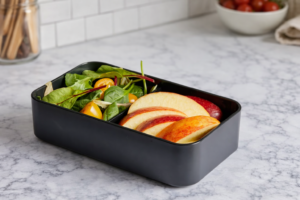
Now that we’ve covered what to avoid, let’s talk about how to reheat your bento meals safely and effectively. Think of this as your quick-start guide to bento box reheating success. These are simple steps that make a world of difference.
Step 1: The ‘Microwave-Safe’ Verification Always check the bottom of your container for the microwave symbol. Premium bento boxes are made from high-quality, BPA-free plastics specifically engineered for heat.
Step 2: Clear the Metal & Decor Do a 3-second sweep. Ensure no stainless steel cutlery, foil, or decorative metal clasps are entering the microwave. Arcing can permanently damage both your bento and your appliance.
Step 3: Remove the Lid & Dividers (Crucial!) While some suggest just ‘venting’ the lid, for the best longevity of your bento gear, always remove the lid and internal dividers completely. This prevents warping and protects the airtight silicone seals.
Step 4: The ‘Interval & Stir’ Technique Avoid the ‘set it and forget it’ trap. Heat in 1-2 minute bursts and give your food a quick stir. This prevents ‘hot spots’ (which can reach over 212°F/100°C) from damaging the container’s surface or staining the material with oils and sauces.
Step 5: Avoid Single-Use Containers SEO Tip: Many people ask about reheating in takeout styrofoam or thin plastics. Our advice? Transfer! These materials can leach chemicals like styrene or BPA when heated. A dedicated, high-quality bento box is a much safer, eco-friendly investment for your health.
So, What’s the Takeaway?
You’ve got this! By being mindful of the materials your bento box is made from and following a few simple reheating rules, you can continue to enjoy your delicious, carefully packed bento meals, perfectly warmed up and safe to eat. It’s all about making informed choices to protect your health and your gear.
Embrace the journey of mindful meal prep and reheating. Your bento box is a tool for nourishing yourself, and knowing how to use it safely, especially with reheating, is key to unlocking its full potential.
What’s your go-to “safe” reheating method for your bento leftovers? Do you have any favorite microwave-safe containers you swear by? Share your tips and tricks in the comments below – let’s learn from each other!
Summary: Step-by-Step
- Identify Your Bento Box Material: Always check if your bento box and its components are labeled “microwave-safe.”
- Avoid Metal: Never microwave any part of your bento box that is made of metal, including cutlery, decorative elements, or metal inserts.
- Be Wary of Plastics: Only use plastics that are clearly marked “microwave-safe.” Avoid single-use plastics or those with unknown origins for reheating.
- Skip Styrofoam: Do not microwave styrofoam containers, as they can melt and leach chemicals.
- Watch for Glues and Decorations: Be cautious with bento boxes featuring glued-on elements, as these materials may not be microwave-safe.
- When in Doubt, Transfer: If you are unsure about the microwave safety of any part of your bento box, transfer your food to a known microwave-safe dish (like glass or ceramic).
- Reheat Smartly: Heat food until warm, not excessively hot. Stir food midway through reheating for even temperature distribution.
- Vent the Lid: Always slightly vent the lid of your bento box or dish to allow steam to escape.